

The volumes of DNAPL recovered in compartments C3 and C4 over time are
displayed in Fig. 2.55. It was found that upwelling significantly increased the
DNAPL recovery rate.
In compartments C3 and C4 the volumes of DNAPL recovered increased by 10.6
and 4.0 m
3 , respectively (i.e., 117% and 20%) after upwelling. This data shows that
for high volumes of DNAPL, this technique can be considered.
2.7.2.4 Surfactant Flushing
Field flushing tests were conducted in the C1 compartment after conventional
DNAPL recovery and recovery with upwelling. Figure 2.56 shows the results of
pumping tests performed in a laboratory-scale 2D tank with and without surfactants.
Figure 2.57 shows the principle of pilot surfactant flushing tests.
It is found that free product recovery in a perfectly homogeneous medium (glass
beads) with CMC of SDBS (Sodium dodecylbenzenesulfonate), reduces the residual
saturation by about 25–45% (Colombano et al. 2018a).
Groundwater level (m)
DNAPL/water interface level (m)
DNAPL/water interface level (m)
Groundwater level (m)
7.2 m 3 .h -1
2.4 m 3 .h -1
4.8 m 3 .h -1
7.8 m 3 .h -1
188
187
186
185
184
183
182
181
27/10
9:36
27/10
14:24
27/10
19:12
28/10
0:00
28/10
4:48
28/10
9:36
28/10
14:24
28/10
19:12
29/10
0:00
182
181
180
179
178
177
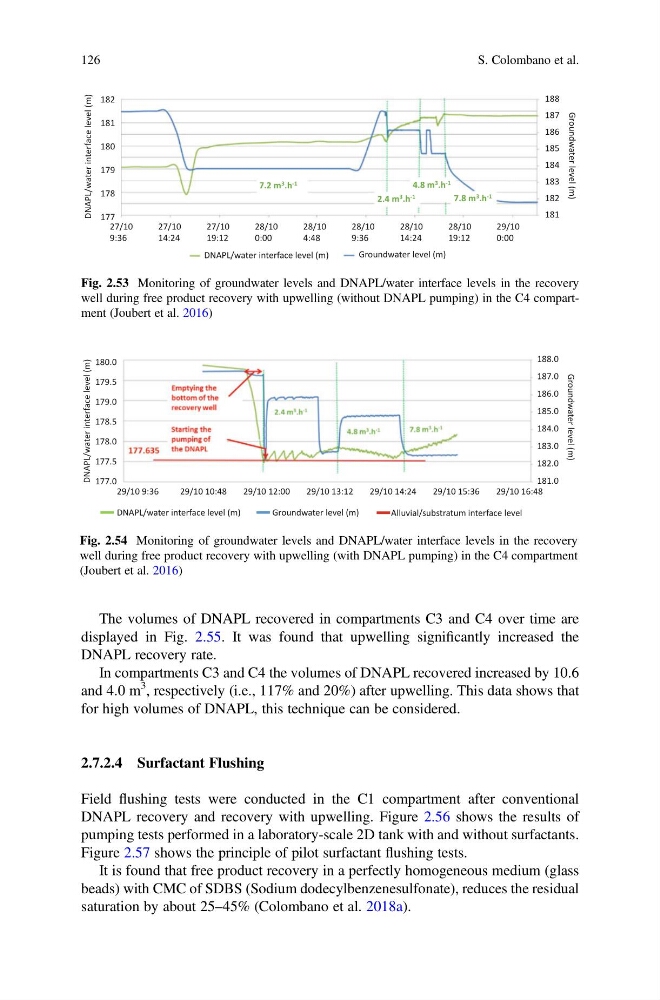
Fig. 2.53 Monitoring of groundwater levels and DNAPL/water interface levels in the recovery
well during free product recovery with upwelling (without DNAPL pumping) in the C4 compartment (Joubert et al. 2016)
188.0
187.0
186.0
185.0
184.0
183.0
182.0
181.0
180.0
179.5
179.0
178.5
178.0
177.5
177.0
DNAPL/water interface level (m)
Groundwater level (m)
29/10 9:36
29/10 10:48
29/10 12:00
29/10 13:12
29/10 14:24
29/10 15:36
29/10 16:48
DNAPL/water interface level (m)
Groundwater level (m)
Alluvial/substratum interface level
Fig. 2.54 Monitoring of groundwater levels and DNAPL/water interface levels in the recovery
well during free product recovery with upwelling (with DNAPL pumping) in the C4 compartment
(Joubert et al. 2016)
126
S. Colombano et al.
displayed in Fig. 2.55. It was found that upwelling significantly increased the
DNAPL recovery rate.
In compartments C3 and C4 the volumes of DNAPL recovered increased by 10.6
and 4.0 m
3 , respectively (i.e., 117% and 20%) after upwelling. This data shows that
for high volumes of DNAPL, this technique can be considered.
2.7.2.4 Surfactant Flushing
Field flushing tests were conducted in the C1 compartment after conventional
DNAPL recovery and recovery with upwelling. Figure 2.56 shows the results of
pumping tests performed in a laboratory-scale 2D tank with and without surfactants.
Figure 2.57 shows the principle of pilot surfactant flushing tests.
It is found that free product recovery in a perfectly homogeneous medium (glass
beads) with CMC of SDBS (Sodium dodecylbenzenesulfonate), reduces the residual
saturation by about 25–45% (Colombano et al. 2018a).
Groundwater level (m)
DNAPL/water interface level (m)
DNAPL/water interface level (m)
Groundwater level (m)
7.2 m 3 .h -1
2.4 m 3 .h -1
4.8 m 3 .h -1
7.8 m 3 .h -1
188
187
186
185
184
183
182
181
27/10
9:36
27/10
14:24
27/10
19:12
28/10
0:00
28/10
4:48
28/10
9:36
28/10
14:24
28/10
19:12
29/10
0:00
182
181
180
179
178
177
Fig. 2.53 Monitoring of groundwater levels and DNAPL/water interface levels in the recovery
well during free product recovery with upwelling (without DNAPL pumping) in the C4 compartment (Joubert et al. 2016)
188.0
187.0
186.0
185.0
184.0
183.0
182.0
181.0
180.0
179.5
179.0
178.5
178.0
177.5
177.0
DNAPL/water interface level (m)
Groundwater level (m)
29/10 9:36
29/10 10:48
29/10 12:00
29/10 13:12
29/10 14:24
29/10 15:36
29/10 16:48
DNAPL/water interface level (m)
Groundwater level (m)
Alluvial/substratum interface level
Fig. 2.54 Monitoring of groundwater levels and DNAPL/water interface levels in the recovery
well during free product recovery with upwelling (with DNAPL pumping) in the C4 compartment
(Joubert et al. 2016)
126
S. Colombano et al.