

A study conducted by McGuire et al. (2006) on 59 sites contaminated by
chlorinated compounds in the United States, compared the treatment duration and
remediation yield of certain groundwater treatment techniques. The examined techniques were in situ biological reduction, in situ thermal desorption, and surfactantenhanced washing. The average remediation yield values for these techniques were
found to be respectively: 95%, 97%, and 95% (Fig. 2.20). In addition, the treatment
durations were remarkably shorter than with the conventional pump-and-treat
approach (2–21 months versus several decades).
The performance of these enhanced extraction techniques (desorption and washing) is explained, in particular, by their ability to considerably reduce the quantity of
pure products present in the pores (by reducing interfacial tension, desorption of
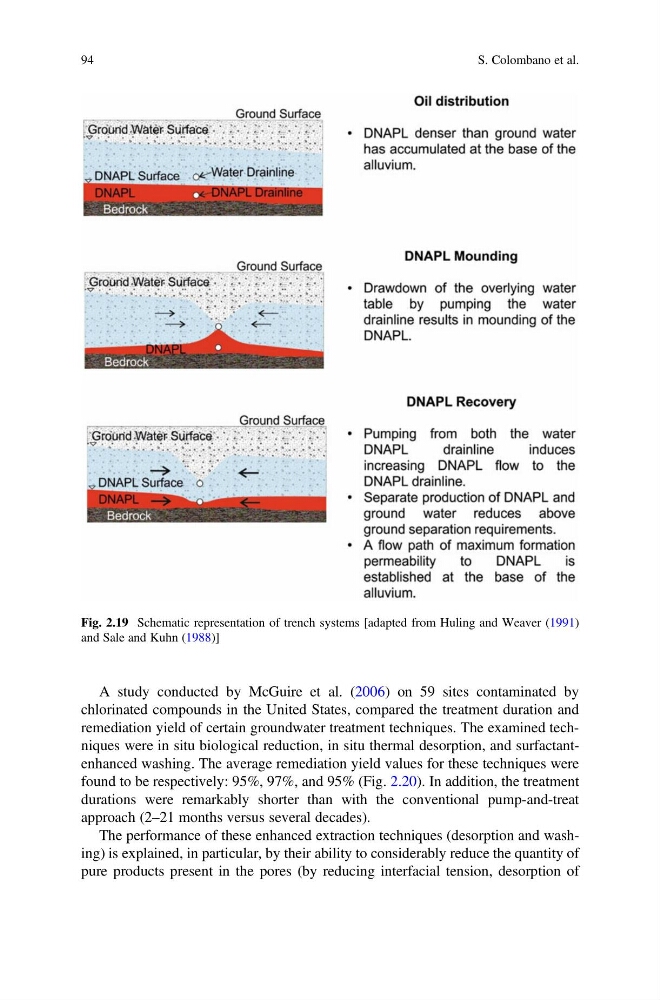
Fig. 2.19 Schematic representation of trench systems [adapted from Huling and Weaver (1991)
and Sale and Kuhn (1988)]
94
S. Colombano et al.
chlorinated compounds in the United States, compared the treatment duration and
remediation yield of certain groundwater treatment techniques. The examined techniques were in situ biological reduction, in situ thermal desorption, and surfactantenhanced washing. The average remediation yield values for these techniques were
found to be respectively: 95%, 97%, and 95% (Fig. 2.20). In addition, the treatment
durations were remarkably shorter than with the conventional pump-and-treat
approach (2–21 months versus several decades).
The performance of these enhanced extraction techniques (desorption and washing) is explained, in particular, by their ability to considerably reduce the quantity of
pure products present in the pores (by reducing interfacial tension, desorption of
Fig. 2.19 Schematic representation of trench systems [adapted from Huling and Weaver (1991)
and Sale and Kuhn (1988)]
94
S. Colombano et al.