

maximising the many human development opportunities presented by a low emission, more resilient future” (Mitchell and Maxwell 2010).
11 The goal in this case is to
catalyse win–win–win situations rather than focusing separately on development,
mitigation and adaptation goals (Suckall et al. 2015). Below, we discuss some
critical governance and policy aspects to catalyse the effective integration of
bioenergy pathways in climate-compatible development in SSA.
First, it would be necessary to ensure complementarities in national policy
frameworks by avoiding the tendency of separating programmes aiming at phasing
out traditional biomass from programmes aiming at promoting modern bioenergy.
Instead there should be a nested approach in that climate-compatible bioenergy
development should emerge from overall development objectives, and then integrate
climate change adaptation and biomass promotion strategies across different sectors
and scales (Fig. 2.2). In some respect, the missing link is how to better understand
the strategic value of modern bioenergy in terms of how a reduction in traditional
biomass use can free up biomass for more productive uses (Johnson and Jumbe
2013; Souza et al. 2015). In this sense, the higher productivity of modern bioenergy
production (compared to traditional biomass) can thereby contribute significantly to
climate-compatible development. Thus, the transition away from traditional biomass
fuels in SSA countries would not necessarily mean that biomass use for energy will
be reduced in aggregate terms. Rather it means that biomass needs to be used more
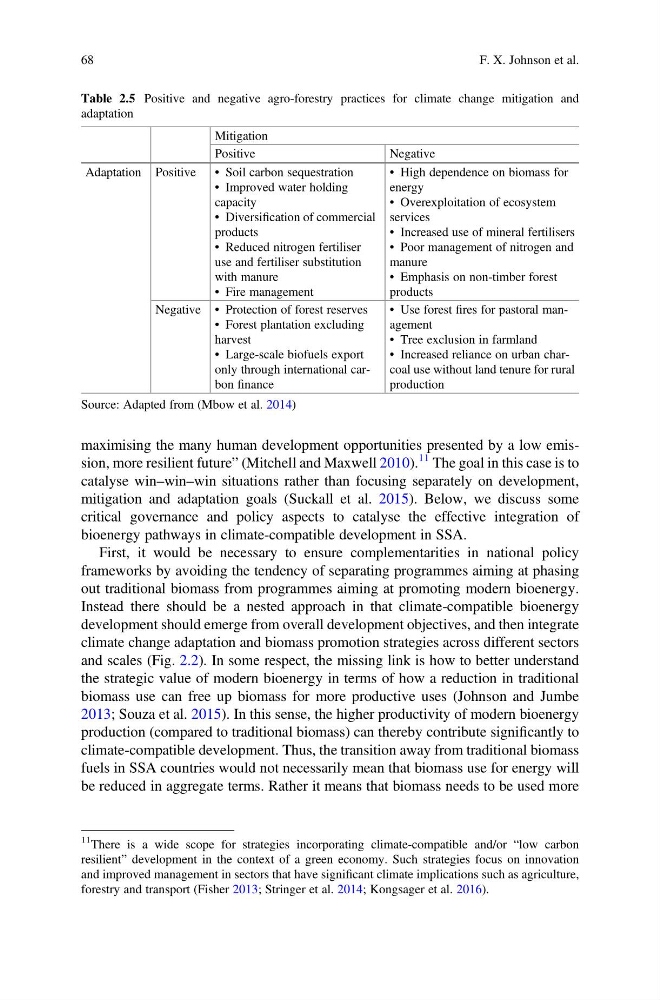
Table 2.5 Positive and negative agro-forestry practices for climate change mitigation and
adaptation
Mitigation
Positive
Negative
Adaptation Positive • Soil carbon sequestration
• Improved water holding
capacity
• Diversification of commercial
products
• Reduced nitrogen fertiliser
use and fertiliser substitution
with manure
• Fire management
• High dependence on biomass for
energy
• Overexploitation of ecosystem
services
• Increased use of mineral fertilisers
• Poor management of nitrogen and
manure
• Emphasis on non-timber forest
products
Negative • Protection of forest reserves
• Forest plantation excluding
harvest
• Large-scale biofuels export
only through international carbon finance
• Use forest fires for pastoral management
• Tree exclusion in farmland
• Increased reliance on urban charcoal use without land tenure for rural
production
Source: Adapted from (Mbow et al. 2014)
11 There is a wide scope for strategies incorporating climate-compatible and/or “low carbon
resilient” development in the context of a green economy. Such strategies focus on innovation
and improved management in sectors that have significant climate implications such as agriculture,
forestry and transport (Fisher 2013; Stringer et al. 2014; Kongsager et al. 2016).
68
F. X. Johnson et al.
11 The goal in this case is to
catalyse win–win–win situations rather than focusing separately on development,
mitigation and adaptation goals (Suckall et al. 2015). Below, we discuss some
critical governance and policy aspects to catalyse the effective integration of
bioenergy pathways in climate-compatible development in SSA.
First, it would be necessary to ensure complementarities in national policy
frameworks by avoiding the tendency of separating programmes aiming at phasing
out traditional biomass from programmes aiming at promoting modern bioenergy.
Instead there should be a nested approach in that climate-compatible bioenergy
development should emerge from overall development objectives, and then integrate
climate change adaptation and biomass promotion strategies across different sectors
and scales (Fig. 2.2). In some respect, the missing link is how to better understand
the strategic value of modern bioenergy in terms of how a reduction in traditional
biomass use can free up biomass for more productive uses (Johnson and Jumbe
2013; Souza et al. 2015). In this sense, the higher productivity of modern bioenergy
production (compared to traditional biomass) can thereby contribute significantly to
climate-compatible development. Thus, the transition away from traditional biomass
fuels in SSA countries would not necessarily mean that biomass use for energy will
be reduced in aggregate terms. Rather it means that biomass needs to be used more
Table 2.5 Positive and negative agro-forestry practices for climate change mitigation and
adaptation
Mitigation
Positive
Negative
Adaptation Positive • Soil carbon sequestration
• Improved water holding
capacity
• Diversification of commercial
products
• Reduced nitrogen fertiliser
use and fertiliser substitution
with manure
• Fire management
• High dependence on biomass for
energy
• Overexploitation of ecosystem
services
• Increased use of mineral fertilisers
• Poor management of nitrogen and
manure
• Emphasis on non-timber forest
products
Negative • Protection of forest reserves
• Forest plantation excluding
harvest
• Large-scale biofuels export
only through international carbon finance
• Use forest fires for pastoral management
• Tree exclusion in farmland
• Increased reliance on urban charcoal use without land tenure for rural
production
Source: Adapted from (Mbow et al. 2014)
11 There is a wide scope for strategies incorporating climate-compatible and/or “low carbon
resilient” development in the context of a green economy. Such strategies focus on innovation
and improved management in sectors that have significant climate implications such as agriculture,
forestry and transport (Fisher 2013; Stringer et al. 2014; Kongsager et al. 2016).
68
F. X. Johnson et al.