

fishing. The second dimension relates to the local knowledge of ecological dynamics
and/or vegetation regeneration. This dimension is essential for deciding where
human activities will take place within the landscape.
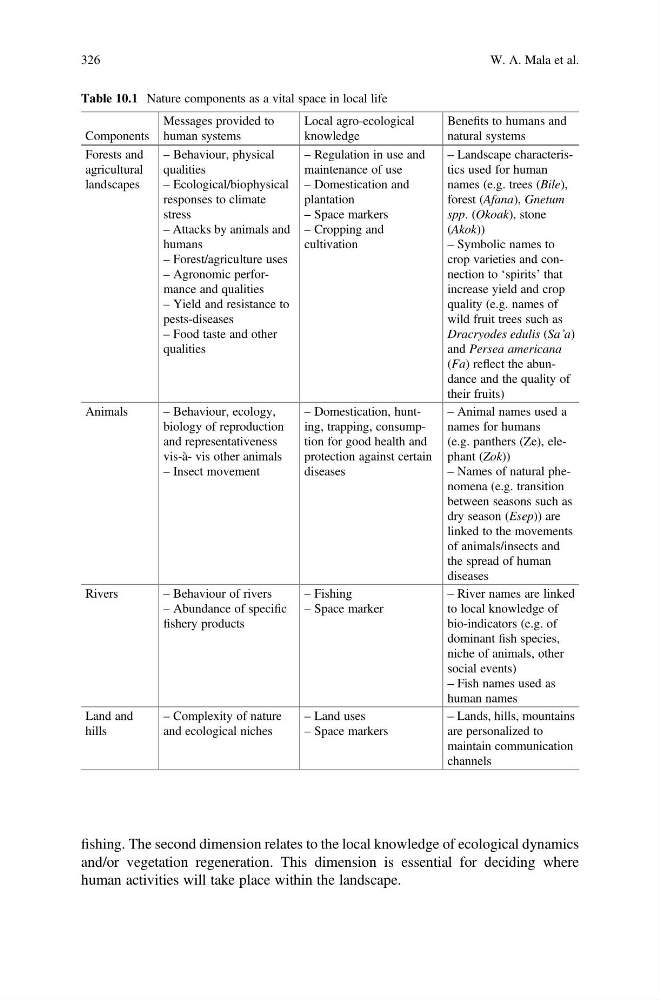
Table 10.1 Nature components as a vital space in local life
Components
Messages provided to
human systems
Local agro-ecological
knowledge
Benefits to humans and
natural systems
Forests and
agricultural
landscapes
– Behaviour, physical
qualities
– Ecological/biophysical
responses to climate
stress
– Attacks by animals and
humans
– Forest/agriculture uses
– Agronomic performance and qualities
– Yield and resistance to
pests-diseases
– Food taste and other
qualities
– Regulation in use and
maintenance of use
– Domestication and
plantation
– Space markers
– Cropping and
cultivation
– Landscape characteristics used for human
names (e.g. trees (Bile),
forest (Afana), Gnetum
spp. (Okoak), stone
(Akok))
– Symbolic names to
crop varieties and connection to ‘spirits’ that
increase yield and crop
quality (e.g. names of
wild fruit trees such as
Dracryodes edulis (Sa’a)
and Persea americana
(Fa) reflect the abundance and the quality of
their fruits)
Animals
– Behaviour, ecology,
biology of reproduction
and representativeness
vis-à- vis other animals
– Insect movement
– Domestication, hunting, trapping, consumption for good health and
protection against certain
diseases
– Animal names used a
names for humans
(e.g. panthers (Ze), elephant (Zok))
– Names of natural phenomena (e.g. transition
between seasons such as
dry season (Esep)) are
linked to the movements
of animals/insects and
the spread of human
diseases
Rivers
– Behaviour of rivers
– Abundance of specific
fishery products
– Fishing
– Space marker
– River names are linked
to local knowledge of
bio-indicators (e.g. of
dominant fish species,
niche of animals, other
social events)
– Fish names used as
human names
Land and
hills
– Complexity of nature
and ecological niches
– Land uses
– Space markers
– Lands, hills, mountains
are personalized to
maintain communication
channels
326
W. A. Mala et al.
and/or vegetation regeneration. This dimension is essential for deciding where
human activities will take place within the landscape.
Table 10.1 Nature components as a vital space in local life
Components
Messages provided to
human systems
Local agro-ecological
knowledge
Benefits to humans and
natural systems
Forests and
agricultural
landscapes
– Behaviour, physical
qualities
– Ecological/biophysical
responses to climate
stress
– Attacks by animals and
humans
– Forest/agriculture uses
– Agronomic performance and qualities
– Yield and resistance to
pests-diseases
– Food taste and other
qualities
– Regulation in use and
maintenance of use
– Domestication and
plantation
– Space markers
– Cropping and
cultivation
– Landscape characteristics used for human
names (e.g. trees (Bile),
forest (Afana), Gnetum
spp. (Okoak), stone
(Akok))
– Symbolic names to
crop varieties and connection to ‘spirits’ that
increase yield and crop
quality (e.g. names of
wild fruit trees such as
Dracryodes edulis (Sa’a)
and Persea americana
(Fa) reflect the abundance and the quality of
their fruits)
Animals
– Behaviour, ecology,
biology of reproduction
and representativeness
vis-à- vis other animals
– Insect movement
– Domestication, hunting, trapping, consumption for good health and
protection against certain
diseases
– Animal names used a
names for humans
(e.g. panthers (Ze), elephant (Zok))
– Names of natural phenomena (e.g. transition
between seasons such as
dry season (Esep)) are
linked to the movements
of animals/insects and
the spread of human
diseases
Rivers
– Behaviour of rivers
– Abundance of specific
fishery products
– Fishing
– Space marker
– River names are linked
to local knowledge of
bio-indicators (e.g. of
dominant fish species,
niche of animals, other
social events)
– Fish names used as
human names
Land and
hills
– Complexity of nature
and ecological niches
– Land uses
– Space markers
– Lands, hills, mountains
are personalized to
maintain communication
channels
326
W. A. Mala et al.