

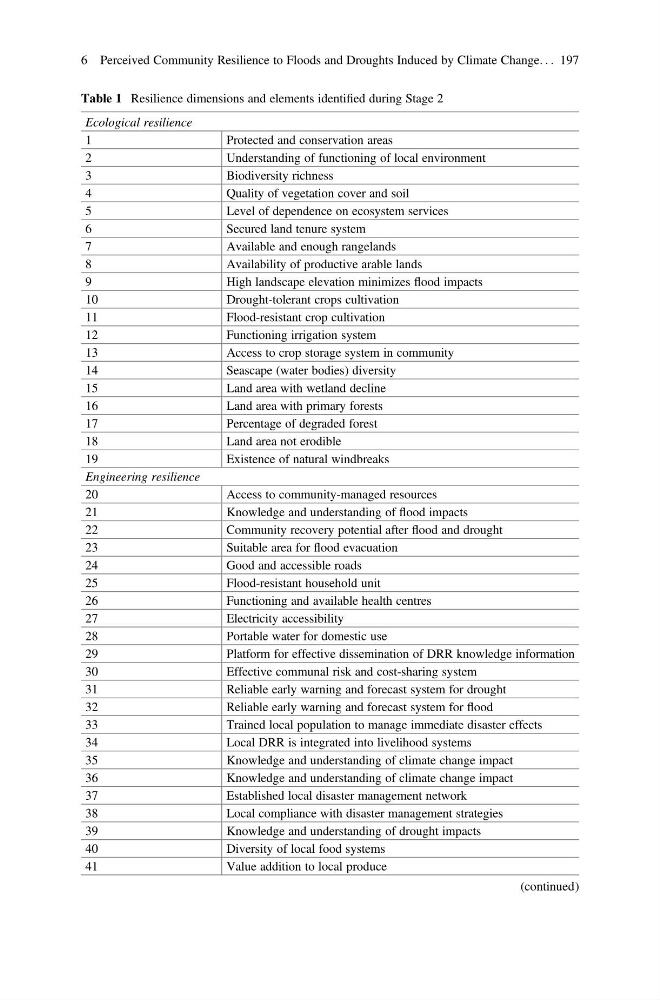
Table 1 Resilience dimensions and elements identified during Stage 2
Ecological resilience
1
Protected and conservation areas
2
Understanding of functioning of local environment
3
Biodiversity richness
4
Quality of vegetation cover and soil
5
Level of dependence on ecosystem services
6
Secured land tenure system
7
Available and enough rangelands
8
Availability of productive arable lands
9
High landscape elevation minimizes flood impacts
10
Drought-tolerant crops cultivation
11
Flood-resistant crop cultivation
12
Functioning irrigation system
13
Access to crop storage system in community
14
Seascape (water bodies) diversity
15
Land area with wetland decline
16
Land area with primary forests
17
Percentage of degraded forest
18
Land area not erodible
19
Existence of natural windbreaks
Engineering resilience
20
Access to community-managed resources
21
Knowledge and understanding of flood impacts
22
Community recovery potential after flood and drought
23
Suitable area for flood evacuation
24
Good and accessible roads
25
Flood-resistant household unit
26
Functioning and available health centres
27
Electricity accessibility
28
Portable water for domestic use
29
Platform for effective dissemination of DRR knowledge information
30
Effective communal risk and cost-sharing system
31
Reliable early warning and forecast system for drought
32
Reliable early warning and forecast system for flood
33
Trained local population to manage immediate disaster effects
34
Local DRR is integrated into livelihood systems
35
Knowledge and understanding of climate change impact
36
Knowledge and understanding of climate change impact
37
Established local disaster management network
38
Local compliance with disaster management strategies
39
Knowledge and understanding of drought impacts
40
Diversity of local food systems
41
Value addition to local produce
(continued)
6 Perceived Community Resilience to Floods and Droughts Induced by Climate Change. . . 197
Ecological resilience
1
Protected and conservation areas
2
Understanding of functioning of local environment
3
Biodiversity richness
4
Quality of vegetation cover and soil
5
Level of dependence on ecosystem services
6
Secured land tenure system
7
Available and enough rangelands
8
Availability of productive arable lands
9
High landscape elevation minimizes flood impacts
10
Drought-tolerant crops cultivation
11
Flood-resistant crop cultivation
12
Functioning irrigation system
13
Access to crop storage system in community
14
Seascape (water bodies) diversity
15
Land area with wetland decline
16
Land area with primary forests
17
Percentage of degraded forest
18
Land area not erodible
19
Existence of natural windbreaks
Engineering resilience
20
Access to community-managed resources
21
Knowledge and understanding of flood impacts
22
Community recovery potential after flood and drought
23
Suitable area for flood evacuation
24
Good and accessible roads
25
Flood-resistant household unit
26
Functioning and available health centres
27
Electricity accessibility
28
Portable water for domestic use
29
Platform for effective dissemination of DRR knowledge information
30
Effective communal risk and cost-sharing system
31
Reliable early warning and forecast system for drought
32
Reliable early warning and forecast system for flood
33
Trained local population to manage immediate disaster effects
34
Local DRR is integrated into livelihood systems
35
Knowledge and understanding of climate change impact
36
Knowledge and understanding of climate change impact
37
Established local disaster management network
38
Local compliance with disaster management strategies
39
Knowledge and understanding of drought impacts
40
Diversity of local food systems
41
Value addition to local produce
(continued)
6 Perceived Community Resilience to Floods and Droughts Induced by Climate Change. . . 197