

170
J. Jayaprakash and H. Jagadeesan
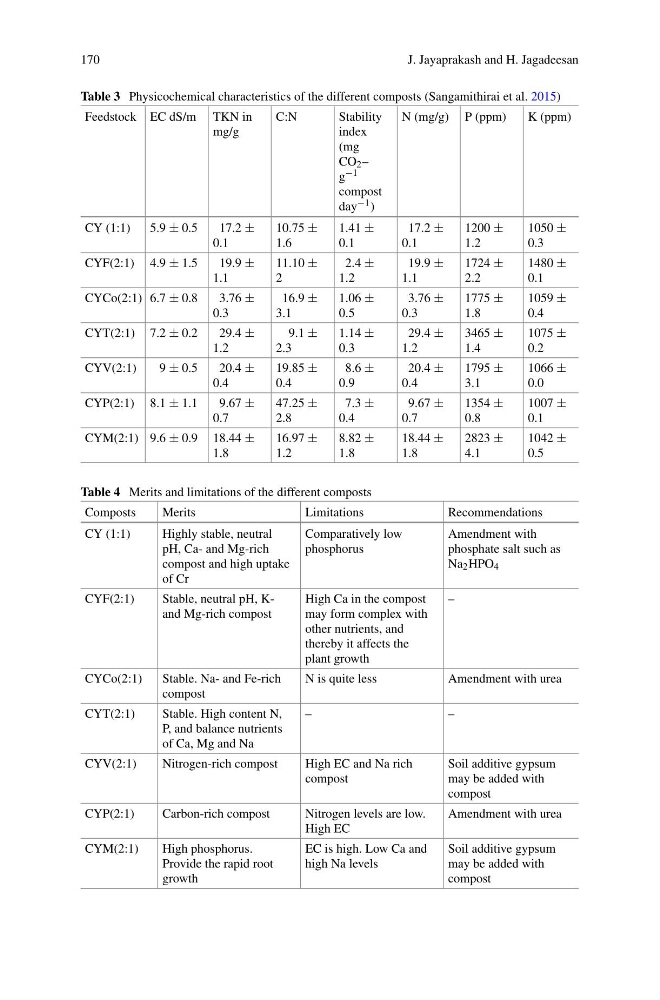
Table 3 Physicochemical characteristics of the different composts (Sangamithirai et al. 2015)
Feedstock EC dS/m TKN in
mg/g
C:N
Stability
index
(mg
CO 2 –
g −1
compost
day −1 )
N (mg/g) P (ppm)
K (ppm)
CY (1:1)
5.9 ± 0.5
17.2 ±
0.1
10.75 ±
1.6
1.41 ±
0.1
17.2 ±
0.1
1200 ±
1.2
1050 ±
0.3
CYF(2:1) 4.9 ± 1.5
19.9 ±
1.1
11.10 ±
2
2.4 ±
1.2
19.9 ±
1.1
1724 ±
2.2
1480 ±
0.1
CYCo(2:1) 6.7 ± 0.8
3.76 ±
0.3
16.9 ±
3.1
1.06 ±
0.5
3.76 ±
0.3
1775 ±
1.8
1059 ±
0.4
CYT(2:1) 7.2 ± 0.2
29.4 ±
1.2
9.1 ±
2.3
1.14 ±
0.3
29.4 ±
1.2
3465 ±
1.4
1075 ±
0.2
CYV(2:1)
9 ± 0.5
20.4 ±
0.4
19.85 ±
0.4
8.6 ±
0.9
20.4 ±
0.4
1795 ±
3.1
1066 ±
0.0
CYP(2:1) 8.1 ± 1.1
9.67 ±
0.7
47.25 ±
2.8
7.3 ±
0.4
9.67 ±
0.7
1354 ±
0.8
1007 ±
0.1
CYM(2:1) 9.6 ± 0.9 18.44 ±
1.8
16.97 ±
1.2
8.82 ±
1.8
18.44 ±
1.8
2823 ±
4.1
1042 ±
0.5
Table 4 Merits and limitations of the different composts
Composts
Merits
Limitations
Recommendations
CY (1:1)
Highly stable, neutral
pH, Ca- and Mg-rich
compost and high uptake
of Cr
Comparatively low
phosphorus
Amendment with
phosphate salt such as
Na 2 HPO 4
CYF(2:1)
Stable, neutral pH, Kand Mg-rich compost
High Ca in the compost
may form complex with
other nutrients, and
thereby it affects the
plant growth
–
CYCo(2:1)
Stable. Na- and Fe-rich
compost
N is quite less
Amendment with urea
CYT(2:1)
Stable. High content N,
P, and balance nutrients
of Ca, Mg and Na
–
–
CYV(2:1)
Nitrogen-rich compost
High EC and Na rich
compost
Soil additive gypsum
may be added with
compost
CYP(2:1)
Carbon-rich compost
Nitrogen levels are low.
High EC
Amendment with urea
CYM(2:1)
High phosphorus.
Provide the rapid root
growth
EC is high. Low Ca and
high Na levels
Soil additive gypsum
may be added with
compost
J. Jayaprakash and H. Jagadeesan
Table 3 Physicochemical characteristics of the different composts (Sangamithirai et al. 2015)
Feedstock EC dS/m TKN in
mg/g
C:N
Stability
index
(mg
CO 2 –
g −1
compost
day −1 )
N (mg/g) P (ppm)
K (ppm)
CY (1:1)
5.9 ± 0.5
17.2 ±
0.1
10.75 ±
1.6
1.41 ±
0.1
17.2 ±
0.1
1200 ±
1.2
1050 ±
0.3
CYF(2:1) 4.9 ± 1.5
19.9 ±
1.1
11.10 ±
2
2.4 ±
1.2
19.9 ±
1.1
1724 ±
2.2
1480 ±
0.1
CYCo(2:1) 6.7 ± 0.8
3.76 ±
0.3
16.9 ±
3.1
1.06 ±
0.5
3.76 ±
0.3
1775 ±
1.8
1059 ±
0.4
CYT(2:1) 7.2 ± 0.2
29.4 ±
1.2
9.1 ±
2.3
1.14 ±
0.3
29.4 ±
1.2
3465 ±
1.4
1075 ±
0.2
CYV(2:1)
9 ± 0.5
20.4 ±
0.4
19.85 ±
0.4
8.6 ±
0.9
20.4 ±
0.4
1795 ±
3.1
1066 ±
0.0
CYP(2:1) 8.1 ± 1.1
9.67 ±
0.7
47.25 ±
2.8
7.3 ±
0.4
9.67 ±
0.7
1354 ±
0.8
1007 ±
0.1
CYM(2:1) 9.6 ± 0.9 18.44 ±
1.8
16.97 ±
1.2
8.82 ±
1.8
18.44 ±
1.8
2823 ±
4.1
1042 ±
0.5
Table 4 Merits and limitations of the different composts
Composts
Merits
Limitations
Recommendations
CY (1:1)
Highly stable, neutral
pH, Ca- and Mg-rich
compost and high uptake
of Cr
Comparatively low
phosphorus
Amendment with
phosphate salt such as
Na 2 HPO 4
CYF(2:1)
Stable, neutral pH, Kand Mg-rich compost
High Ca in the compost
may form complex with
other nutrients, and
thereby it affects the
plant growth
–
CYCo(2:1)
Stable. Na- and Fe-rich
compost
N is quite less
Amendment with urea
CYT(2:1)
Stable. High content N,
P, and balance nutrients
of Ca, Mg and Na
–
–
CYV(2:1)
Nitrogen-rich compost
High EC and Na rich
compost
Soil additive gypsum
may be added with
compost
CYP(2:1)
Carbon-rich compost
Nitrogen levels are low.
High EC
Amendment with urea
CYM(2:1)
High phosphorus.
Provide the rapid root
growth
EC is high. Low Ca and
high Na levels
Soil additive gypsum
may be added with
compost