

Sustainable Waste Management in Higher Education ...
169
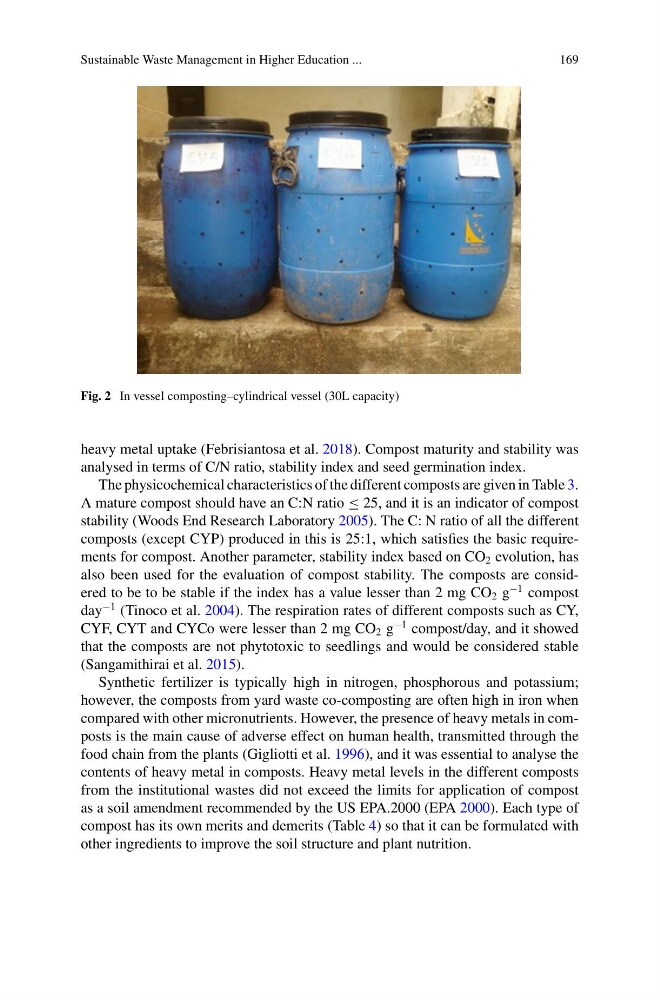
Fig. 2 In vessel composting–cylindrical vessel (30L capacity)
heavy metal uptake (Febrisiantosa et al. 2018). Compost maturity and stability was
analysed in terms of C/N ratio, stability index and seed germination index.
The physicochemical characteristics of the different composts are given in Table 3.
A mature compost should have an C:N ratio ≤ 25, and it is an indicator of compost
stability (Woods End Research Laboratory 2005). The C: N ratio of all the different
composts (except CYP) produced in this is 25:1, which satisfies the basic requirements for compost. Another parameter, stability index based on CO 2 evolution, has
also been used for the evaluation of compost stability. The composts are considered to be to be stable if the index has a value lesser than 2 mg CO 2 g
−1 compost
day
−1 (Tinoco et al. 2004). The respiration rates of different composts such as CY,
CYF, CYT and CYCo were lesser than 2 mg CO 2 g
−1 compost/day, and it showed
that the composts are not phytotoxic to seedlings and would be considered stable
(Sangamithirai et al. 2015).
Synthetic fertilizer is typically high in nitrogen, phosphorous and potassium;
however, the composts from yard waste co-composting are often high in iron when
compared with other micronutrients. However, the presence of heavy metals in composts is the main cause of adverse effect on human health, transmitted through the
food chain from the plants (Gigliotti et al. 1996), and it was essential to analyse the
contents of heavy metal in composts. Heavy metal levels in the different composts
from the institutional wastes did not exceed the limits for application of compost
as a soil amendment recommended by the US EPA.2000 (EPA 2000). Each type of
compost has its own merits and demerits (Table 4) so that it can be formulated with
other ingredients to improve the soil structure and plant nutrition.
169
Fig. 2 In vessel composting–cylindrical vessel (30L capacity)
heavy metal uptake (Febrisiantosa et al. 2018). Compost maturity and stability was
analysed in terms of C/N ratio, stability index and seed germination index.
The physicochemical characteristics of the different composts are given in Table 3.
A mature compost should have an C:N ratio ≤ 25, and it is an indicator of compost
stability (Woods End Research Laboratory 2005). The C: N ratio of all the different
composts (except CYP) produced in this is 25:1, which satisfies the basic requirements for compost. Another parameter, stability index based on CO 2 evolution, has
also been used for the evaluation of compost stability. The composts are considered to be to be stable if the index has a value lesser than 2 mg CO 2 g
−1 compost
day
−1 (Tinoco et al. 2004). The respiration rates of different composts such as CY,
CYF, CYT and CYCo were lesser than 2 mg CO 2 g
−1 compost/day, and it showed
that the composts are not phytotoxic to seedlings and would be considered stable
(Sangamithirai et al. 2015).
Synthetic fertilizer is typically high in nitrogen, phosphorous and potassium;
however, the composts from yard waste co-composting are often high in iron when
compared with other micronutrients. However, the presence of heavy metals in composts is the main cause of adverse effect on human health, transmitted through the
food chain from the plants (Gigliotti et al. 1996), and it was essential to analyse the
contents of heavy metal in composts. Heavy metal levels in the different composts
from the institutional wastes did not exceed the limits for application of compost
as a soil amendment recommended by the US EPA.2000 (EPA 2000). Each type of
compost has its own merits and demerits (Table 4) so that it can be formulated with
other ingredients to improve the soil structure and plant nutrition.