

conditions or more positivity associated with personal recycling and reusing objects
and materials, the current research also stands as reference point in terms of
evaluating the current state in order to reinforce the need to implement more
behavioral economics approaches for behavior change. In order to increase both
awareness and scale scores for specific sustainable behavior, we may simply increase
exposure to sustainable or green ideas and products, benefits from the fruits of
priming mechanism (Mazar and Zhong 2010). Or, following a more pragmatic and
field-experiment framework, we can rely on the findings of Demarque et al. (2015)
that show how to promote sustainable consumption in shopping environments by the
mere use of descriptive norms. These alternative research methods also serve to
acknowledge the current limitations of the paper, starting from the convenience
sample that needs extensions to properly represent the student population in Romania. Moreover, the range of control variables would benefit from supplementary
measures, like income, habits, and social influence, but also objective environmental
knowledge.
Appendices
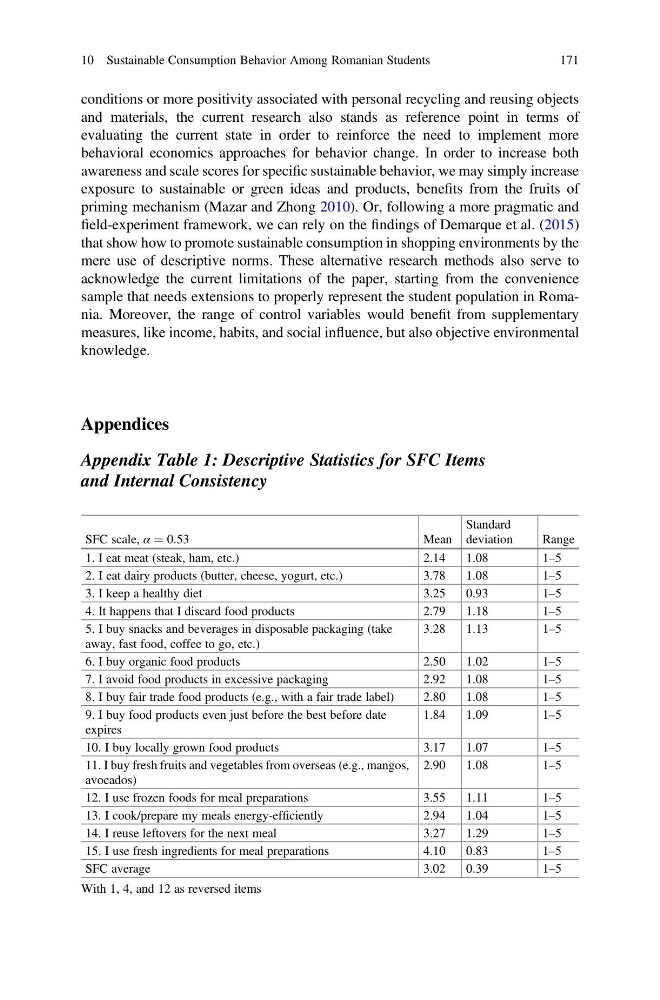
Appendix Table 1: Descriptive Statistics for SFC Items
and Internal Consistency
SFC scale, α ¼ 0.53
Mean
Standard
deviation
Range
1. I eat meat (steak, ham, etc.)
2.14
1.08
1–5
2. I eat dairy products (butter, cheese, yogurt, etc.)
3.78
1.08
1–5
3. I keep a healthy diet
3.25
0.93
1–5
4. It happens that I discard food products
2.79
1.18
1–5
5. I buy snacks and beverages in disposable packaging (take
away, fast food, coffee to go, etc.)
3.28
1.13
1–5
6. I buy organic food products
2.50
1.02
1–5
7. I avoid food products in excessive packaging
2.92
1.08
1–5
8. I buy fair trade food products (e.g., with a fair trade label)
2.80
1.08
1–5
9. I buy food products even just before the best before date
expires
1.84
1.09
1–5
10. I buy locally grown food products
3.17
1.07
1–5
11. I buy fresh fruits and vegetables from overseas (e.g., mangos,
avocados)
2.90
1.08
1–5
12. I use frozen foods for meal preparations
3.55
1.11
1–5
13. I cook/prepare my meals energy-efficiently
2.94
1.04
1–5
14. I reuse leftovers for the next meal
3.27
1.29
1–5
15. I use fresh ingredients for meal preparations
4.10
0.83
1–5
SFC average
3.02
0.39
1–5
With 1, 4, and 12 as reversed items
10 Sustainable Consumption Behavior Among Romanian Students
171
and materials, the current research also stands as reference point in terms of
evaluating the current state in order to reinforce the need to implement more
behavioral economics approaches for behavior change. In order to increase both
awareness and scale scores for specific sustainable behavior, we may simply increase
exposure to sustainable or green ideas and products, benefits from the fruits of
priming mechanism (Mazar and Zhong 2010). Or, following a more pragmatic and
field-experiment framework, we can rely on the findings of Demarque et al. (2015)
that show how to promote sustainable consumption in shopping environments by the
mere use of descriptive norms. These alternative research methods also serve to
acknowledge the current limitations of the paper, starting from the convenience
sample that needs extensions to properly represent the student population in Romania. Moreover, the range of control variables would benefit from supplementary
measures, like income, habits, and social influence, but also objective environmental
knowledge.
Appendices
Appendix Table 1: Descriptive Statistics for SFC Items
and Internal Consistency
SFC scale, α ¼ 0.53
Mean
Standard
deviation
Range
1. I eat meat (steak, ham, etc.)
2.14
1.08
1–5
2. I eat dairy products (butter, cheese, yogurt, etc.)
3.78
1.08
1–5
3. I keep a healthy diet
3.25
0.93
1–5
4. It happens that I discard food products
2.79
1.18
1–5
5. I buy snacks and beverages in disposable packaging (take
away, fast food, coffee to go, etc.)
3.28
1.13
1–5
6. I buy organic food products
2.50
1.02
1–5
7. I avoid food products in excessive packaging
2.92
1.08
1–5
8. I buy fair trade food products (e.g., with a fair trade label)
2.80
1.08
1–5
9. I buy food products even just before the best before date
expires
1.84
1.09
1–5
10. I buy locally grown food products
3.17
1.07
1–5
11. I buy fresh fruits and vegetables from overseas (e.g., mangos,
avocados)
2.90
1.08
1–5
12. I use frozen foods for meal preparations
3.55
1.11
1–5
13. I cook/prepare my meals energy-efficiently
2.94
1.04
1–5
14. I reuse leftovers for the next meal
3.27
1.29
1–5
15. I use fresh ingredients for meal preparations
4.10
0.83
1–5
SFC average
3.02
0.39
1–5
With 1, 4, and 12 as reversed items
10 Sustainable Consumption Behavior Among Romanian Students
171