

706
that has erupted from one philosophical tradition to another. It would come to play
out culturally across the geographic span of Mahayana Buddhism, particularly in
India, Kashmir, Mongolia, and Tibet (Fig. 78.2).
In a stunning translation and exposition of Mipham Jamyang Namgyal Gyamtso’s
(1846–1912) commentary on the ninth chapter of “The Way of the Bodhisattva,”
The Wisdom Chapter,
4
we read a breathtaking overview of Nagarjuna’s deconstructivist understanding of Reality—the embrace of sunyata, of zero—as he is thought
to have interpreted original Buddhist wisdom literature, the Prajnaparamita Sutras.
5
As Nagarjuna himself apparently warns, “the path is fraught with dangers so great
that even the Buddha himself hesitated to teach it…”.
6
But others, in addition to
Nagarjuna, did communicate the insights, including such Rinpoche’s as Bhavaviveka
(500–578), Chandrakirti (600–c. 650), and Je Tsongkhapa (1357–1419). Their existential hegemony, core to the Gelugpa Tibetan Buddhist school (Ganden Pa, or
Tushita, Pure land),
7
formulated a paradise to which devotees could enter-inconsciousness, as laid out in the 18th of 48 original prescribed (Amitabha) Buddhist
vows within Mahayana tradition.
8
So enamored was Nagarjuna of this seemingly
psychoanalytic breakthrough with respect to all things, the world of phenomena,
that he composed a work comprising Seventy Verses on Emptiness (Sunyatasaptati).
The pivot upon which he relentlessly designated all of Nature as merely an
4 The French-based Padmakara Translation Group (https://www.shambhala.com/authors/o-t/padmakara-translation-group.html).
5 See The Wisdom Chapter, Jamgön Mipham’s Commentary of the Ninth Chapter of “The Way of
the Bodhisattva,” Translated by the Padmakara Translation Group, Shambala Publishers, Boulder
Colorado, 2017.
6 ibid., p. 15.
7 ibid., p. 7.
8 See http://www.ammituofo.com/48vows.html
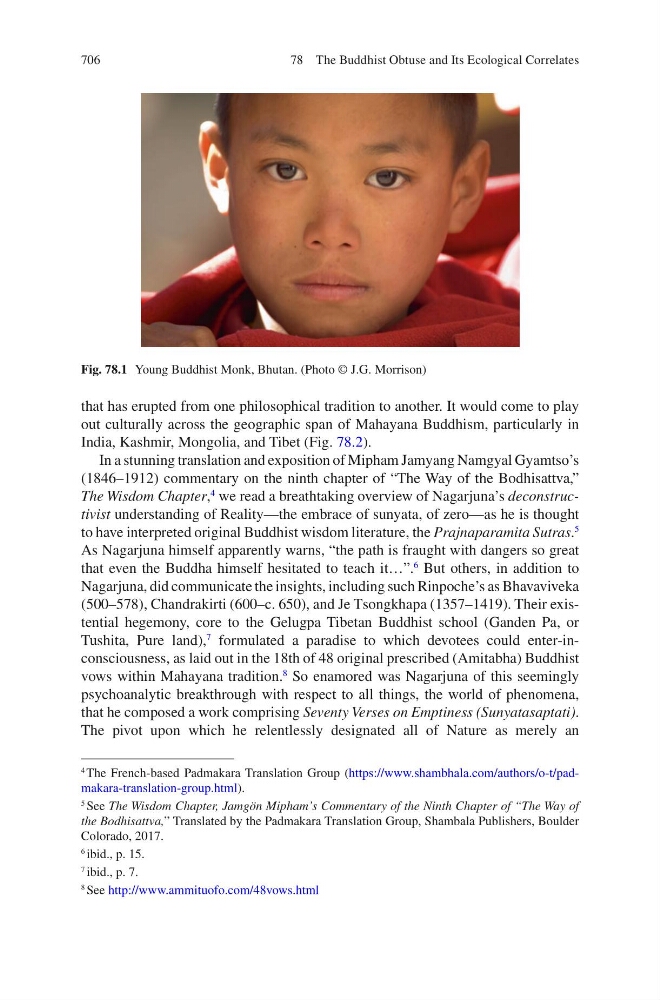
Fig. 78.1 Young Buddhist Monk, Bhutan. (Photo © J.G. Morrison)
78 The Buddhist Obtuse and Its Ecological Correlates