

676
the many). Parmenides asserts that the differentiation between the Individual and
the Species is a “great confusion” in mind that cannot quite fathom the distinctions
between Genus and the Essence of everything that is, of itself, but somehow separate from Singulars. It is a minefield of simulacra, with “God, who governs all
things,” somehow implicated in that very act of perpetual confusion, the basis of all
paradox.
14
God provides a very amenable exit strategy.
A vocal ensemble sings a haunting percussive work upstairs in the crowded
museum, with lyrics approximating, “Join us in the emptiness…” repeated again
and again. This is the Netherlands, but it is also humanity (Fig. 73.4).
14 See The History of Philosophy: Containing The Lives, Opinions, Actions and Discourses of the
Philosophers of every Sect, by Thomas Stanley, 2nd Edition, London, 1687, p. 748.
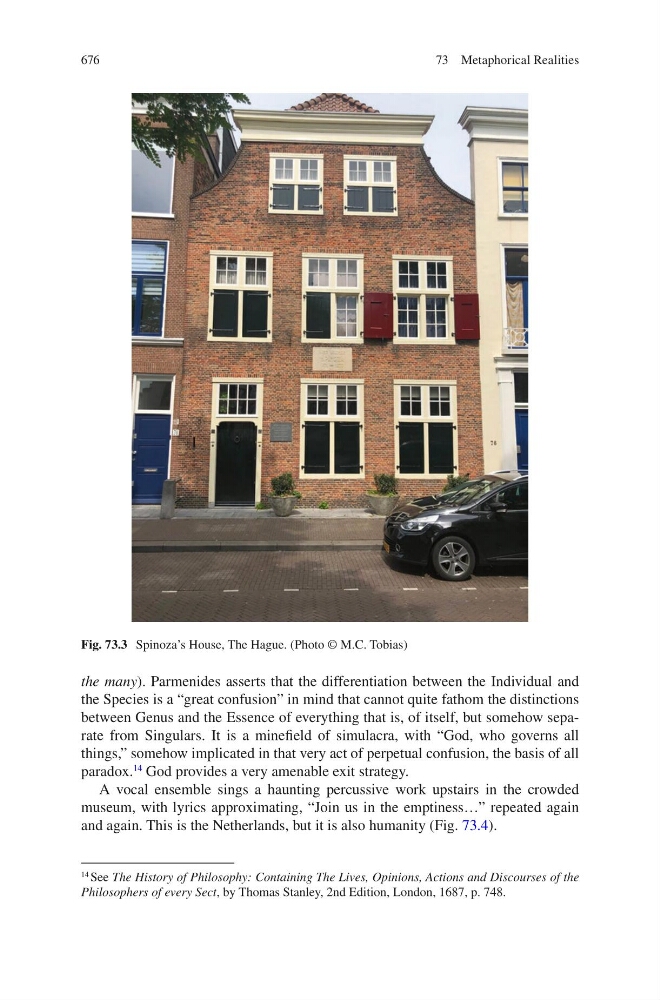
Fig. 73.3 Spinoza’s House, The Hague. (Photo © M.C. Tobias)
73 Metaphorical Realities