

268
Da Vinci, relocating in 1516 to Amboise at the bequest of King Francis 1, lived next
door to the King’s château on a 3-acre miniature paradise known as Château de
Cloux, where he spent his final 3 years. During that time, the King invited da Vinci
to the nearby village of Romorantin, where he was asked to create, essentially, a
utopian village and utopian palace.
13
It was the kind of challenge once offered him
near Florence—to remake Nature, in a sense—but here, in central France, again he
failed—had not the time in his body—to accomplish so overwhelming a task, an
artistic and scientific riddle. The romance and indefinable melancholy of a fortressed inner nature—a few classics on the bookshelf, and paintings on the walls—
13 See Leonardo Da Vinci, by Walter Isaacson, Simon & Schuster, New York, 2017, pp. 498–516.
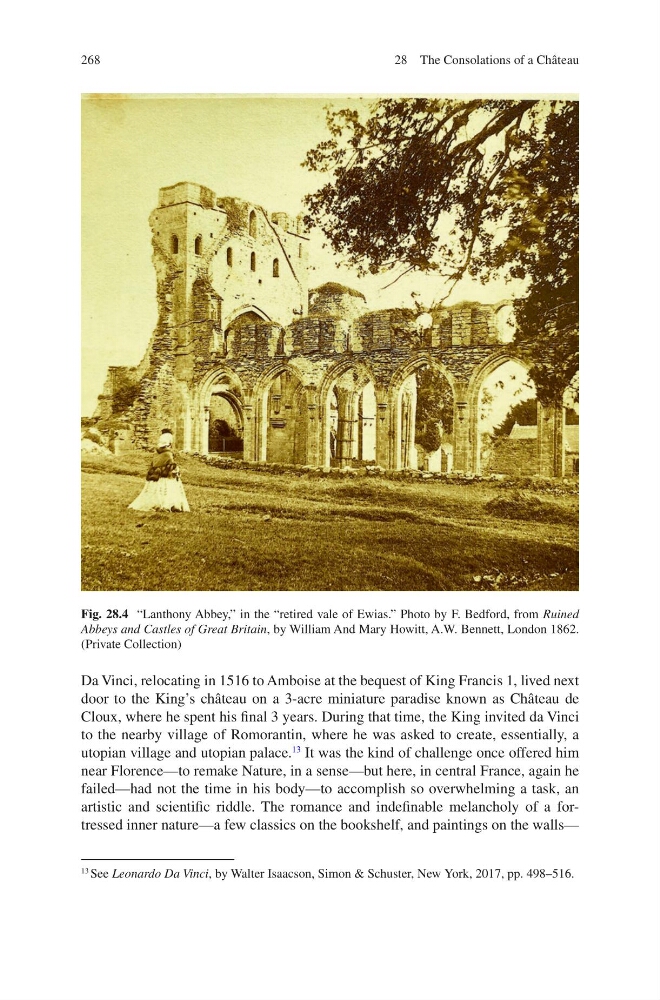
Fig. 28.4 “Lanthony Abbey,” in the “retired vale of Ewias.” Photo by F. Bedford, from Ruined
Abbeys and Castles of Great Britain, by William And Mary Howitt, A.W. Bennett, London 1862.
(Private Collection)
28 The Consolations of a Château
Da Vinci, relocating in 1516 to Amboise at the bequest of King Francis 1, lived next
door to the King’s château on a 3-acre miniature paradise known as Château de
Cloux, where he spent his final 3 years. During that time, the King invited da Vinci
to the nearby village of Romorantin, where he was asked to create, essentially, a
utopian village and utopian palace.
13
It was the kind of challenge once offered him
near Florence—to remake Nature, in a sense—but here, in central France, again he
failed—had not the time in his body—to accomplish so overwhelming a task, an
artistic and scientific riddle. The romance and indefinable melancholy of a fortressed inner nature—a few classics on the bookshelf, and paintings on the walls—
13 See Leonardo Da Vinci, by Walter Isaacson, Simon & Schuster, New York, 2017, pp. 498–516.
Fig. 28.4 “Lanthony Abbey,” in the “retired vale of Ewias.” Photo by F. Bedford, from Ruined
Abbeys and Castles of Great Britain, by William And Mary Howitt, A.W. Bennett, London 1862.
(Private Collection)
28 The Consolations of a Château