

degradation (Fenchel and Kühl 2000; de los Ríos et al. 2004; Stal 2010). On the
other hand, sediment accretion may occur by processes such as baffling, trapping,
and binding of sediment grains (Noffke et al. 2001; Walter and Allwood 2005).
Baffling is done by perpendicularly oriented filaments which act like obstacles in a
current carrying sediment particles; trapping of grains takes place within the organic
lattice created by interwoven cyanobacteria filaments, and binding is achieved by the
organic lattice and EPS (Fig. 3.3a; see also Sect. 3.5.4). Moreover, even in
siliciclastic settings, the deposition of very thin (μm-scale) micritic calcareous
sheaths, ooids and peloids, may take place within hypersaline microbial mats
(Gerdes et al. 1994; Kaźmierczak et al. 2015; Maisano et al. 2020).
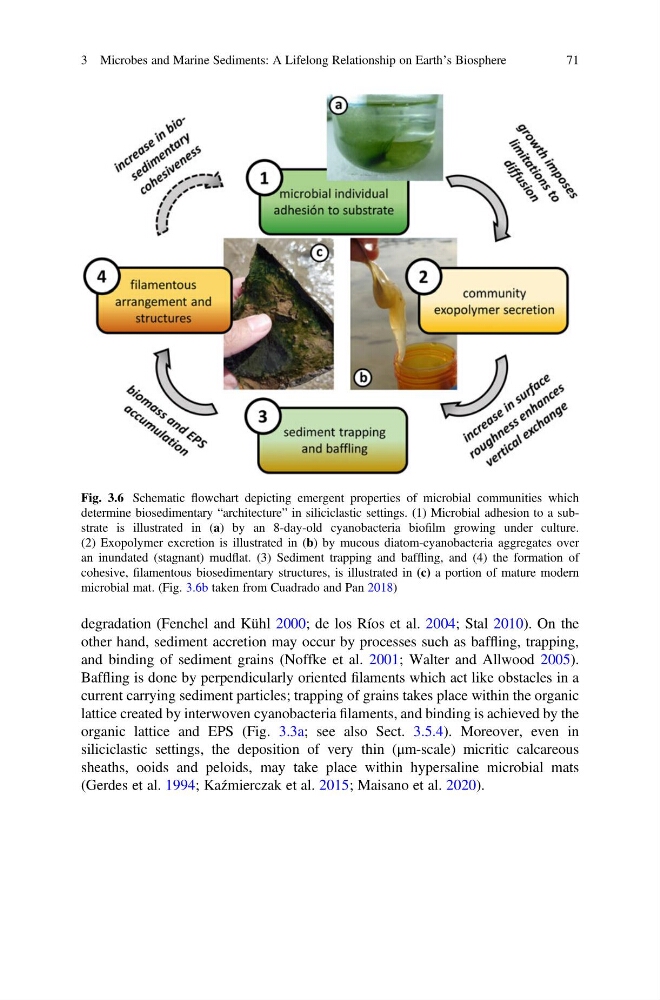
Fig. 3.6 Schematic flowchart depicting emergent properties of microbial communities which
determine biosedimentary “architecture” in siliciclastic settings. (1) Microbial adhesion to a substrate is illustrated in (a) by an 8-day-old cyanobacteria biofilm growing under culture.
(2) Exopolymer excretion is illustrated in (b) by mucous diatom-cyanobacteria aggregates over
an inundated (stagnant) mudflat. (3) Sediment trapping and baffling, and (4) the formation of
cohesive, filamentous biosedimentary structures, is illustrated in (c) a portion of mature modern
microbial mat. (Fig. 3.6b taken from Cuadrado and Pan 2018)
3 Microbes and Marine Sediments: A Lifelong Relationship on Earth’s Biosphere
71
other hand, sediment accretion may occur by processes such as baffling, trapping,
and binding of sediment grains (Noffke et al. 2001; Walter and Allwood 2005).
Baffling is done by perpendicularly oriented filaments which act like obstacles in a
current carrying sediment particles; trapping of grains takes place within the organic
lattice created by interwoven cyanobacteria filaments, and binding is achieved by the
organic lattice and EPS (Fig. 3.3a; see also Sect. 3.5.4). Moreover, even in
siliciclastic settings, the deposition of very thin (μm-scale) micritic calcareous
sheaths, ooids and peloids, may take place within hypersaline microbial mats
(Gerdes et al. 1994; Kaźmierczak et al. 2015; Maisano et al. 2020).
Fig. 3.6 Schematic flowchart depicting emergent properties of microbial communities which
determine biosedimentary “architecture” in siliciclastic settings. (1) Microbial adhesion to a substrate is illustrated in (a) by an 8-day-old cyanobacteria biofilm growing under culture.
(2) Exopolymer excretion is illustrated in (b) by mucous diatom-cyanobacteria aggregates over
an inundated (stagnant) mudflat. (3) Sediment trapping and baffling, and (4) the formation of
cohesive, filamentous biosedimentary structures, is illustrated in (c) a portion of mature modern
microbial mat. (Fig. 3.6b taken from Cuadrado and Pan 2018)
3 Microbes and Marine Sediments: A Lifelong Relationship on Earth’s Biosphere
71