

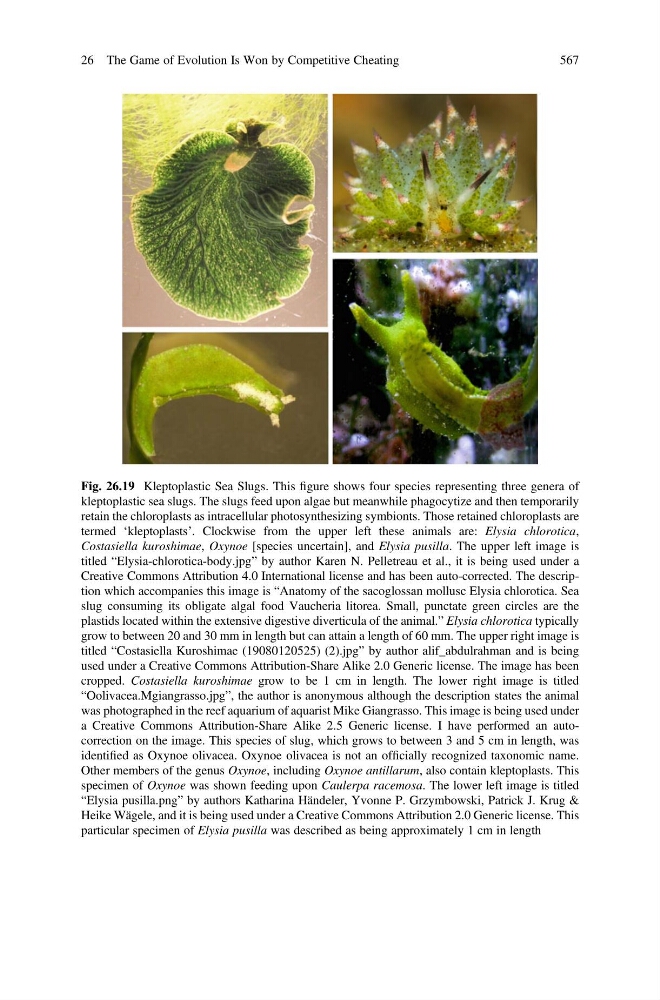
Fig. 26.19 Kleptoplastic Sea Slugs. This figure shows four species representing three genera of
kleptoplastic sea slugs. The slugs feed upon algae but meanwhile phagocytize and then temporarily
retain the chloroplasts as intracellular photosynthesizing symbionts. Those retained chloroplasts are
termed ‘kleptoplasts’. Clockwise from the upper left these animals are: Elysia chlorotica,
Costasiella kuroshimae, Oxynoe [species uncertain], and Elysia pusilla. The upper left image is
titled “Elysia-chlorotica-body.jpg” by author Karen N. Pelletreau et al., it is being used under a
Creative Commons Attribution 4.0 International license and has been auto-corrected. The description which accompanies this image is “Anatomy of the sacoglossan mollusc Elysia chlorotica. Sea
slug consuming its obligate algal food Vaucheria litorea. Small, punctate green circles are the
plastids located within the extensive digestive diverticula of the animal.” Elysia chlorotica typically
grow to between 20 and 30 mm in length but can attain a length of 60 mm. The upper right image is
titled “Costasiella Kuroshimae (19080120525) (2).jpg” by author alif_abdulrahman and is being
used under a Creative Commons Attribution-Share Alike 2.0 Generic license. The image has been
cropped. Costasiella kuroshimae grow to be 1 cm in length. The lower right image is titled
“Oolivacea.Mgiangrasso.jpg”, the author is anonymous although the description states the animal
was photographed in the reef aquarium of aquarist Mike Giangrasso. This image is being used under
a Creative Commons Attribution-Share Alike 2.5 Generic license. I have performed an autocorrection on the image. This species of slug, which grows to between 3 and 5 cm in length, was
identified as Oxynoe olivacea. Oxynoe olivacea is not an officially recognized taxonomic name.
Other members of the genus Oxynoe, including Oxynoe antillarum, also contain kleptoplasts. This
specimen of Oxynoe was shown feeding upon Caulerpa racemosa. The lower left image is titled
“Elysia pusilla.png” by authors Katharina Händeler, Yvonne P. Grzymbowski, Patrick J. Krug &
Heike Wägele, and it is being used under a Creative Commons Attribution 2.0 Generic license. This
particular specimen of Elysia pusilla was described as being approximately 1 cm in length
26 The Game of Evolution Is Won by Competitive Cheating
567
kleptoplastic sea slugs. The slugs feed upon algae but meanwhile phagocytize and then temporarily
retain the chloroplasts as intracellular photosynthesizing symbionts. Those retained chloroplasts are
termed ‘kleptoplasts’. Clockwise from the upper left these animals are: Elysia chlorotica,
Costasiella kuroshimae, Oxynoe [species uncertain], and Elysia pusilla. The upper left image is
titled “Elysia-chlorotica-body.jpg” by author Karen N. Pelletreau et al., it is being used under a
Creative Commons Attribution 4.0 International license and has been auto-corrected. The description which accompanies this image is “Anatomy of the sacoglossan mollusc Elysia chlorotica. Sea
slug consuming its obligate algal food Vaucheria litorea. Small, punctate green circles are the
plastids located within the extensive digestive diverticula of the animal.” Elysia chlorotica typically
grow to between 20 and 30 mm in length but can attain a length of 60 mm. The upper right image is
titled “Costasiella Kuroshimae (19080120525) (2).jpg” by author alif_abdulrahman and is being
used under a Creative Commons Attribution-Share Alike 2.0 Generic license. The image has been
cropped. Costasiella kuroshimae grow to be 1 cm in length. The lower right image is titled
“Oolivacea.Mgiangrasso.jpg”, the author is anonymous although the description states the animal
was photographed in the reef aquarium of aquarist Mike Giangrasso. This image is being used under
a Creative Commons Attribution-Share Alike 2.5 Generic license. I have performed an autocorrection on the image. This species of slug, which grows to between 3 and 5 cm in length, was
identified as Oxynoe olivacea. Oxynoe olivacea is not an officially recognized taxonomic name.
Other members of the genus Oxynoe, including Oxynoe antillarum, also contain kleptoplasts. This
specimen of Oxynoe was shown feeding upon Caulerpa racemosa. The lower left image is titled
“Elysia pusilla.png” by authors Katharina Händeler, Yvonne P. Grzymbowski, Patrick J. Krug &
Heike Wägele, and it is being used under a Creative Commons Attribution 2.0 Generic license. This
particular specimen of Elysia pusilla was described as being approximately 1 cm in length
26 The Game of Evolution Is Won by Competitive Cheating
567