

The chloroplasts which power the photosynthetic way of life depicted in
Figs. 26.9, 26.10, and 26.11 are related and bounded by two membranes. Much of
the genetic material for these chloroplasts has been transferred to the host cell
genome, as earlier occurred during the development of mitochondria, by a process
which Nancy Eckardt interestingly described as ‘Genomic Hopscotch’ (Eckardt
2006). And yet, there are other types of chloroplasts which seem to have either
arisen independently or differently evolved when competitors needed to square off
for evolution’s challenge of competitive fitness.
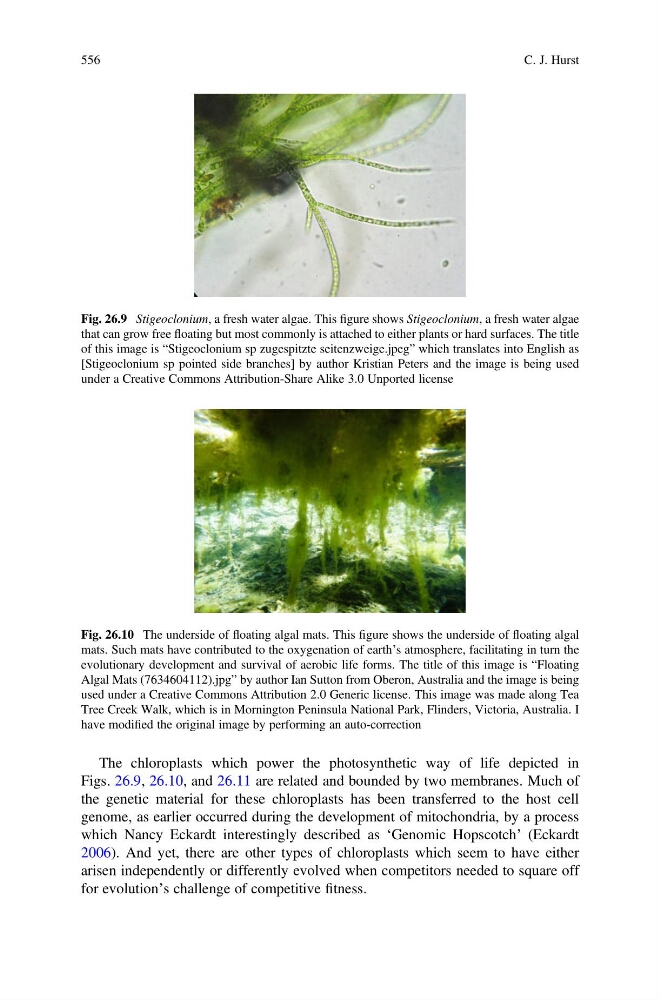
Fig. 26.9 Stigeoclonium, a fresh water algae. This figure shows Stigeoclonium, a fresh water algae
that can grow free floating but most commonly is attached to either plants or hard surfaces. The title
of this image is “Stigeoclonium sp zugespitzte seitenzweige.jpeg” which translates into English as
[Stigeoclonium sp pointed side branches] by author Kristian Peters and the image is being used
under a Creative Commons Attribution-Share Alike 3.0 Unported license
Fig. 26.10 The underside of floating algal mats. This figure shows the underside of floating algal
mats. Such mats have contributed to the oxygenation of earth’s atmosphere, facilitating in turn the
evolutionary development and survival of aerobic life forms. The title of this image is “Floating
Algal Mats (7634604112).jpg” by author Ian Sutton from Oberon, Australia and the image is being
used under a Creative Commons Attribution 2.0 Generic license. This image was made along Tea
Tree Creek Walk, which is in Mornington Peninsula National Park, Flinders, Victoria, Australia. I
have modified the original image by performing an auto-correction
556
C. J. Hurst
Figs. 26.9, 26.10, and 26.11 are related and bounded by two membranes. Much of
the genetic material for these chloroplasts has been transferred to the host cell
genome, as earlier occurred during the development of mitochondria, by a process
which Nancy Eckardt interestingly described as ‘Genomic Hopscotch’ (Eckardt
2006). And yet, there are other types of chloroplasts which seem to have either
arisen independently or differently evolved when competitors needed to square off
for evolution’s challenge of competitive fitness.
Fig. 26.9 Stigeoclonium, a fresh water algae. This figure shows Stigeoclonium, a fresh water algae
that can grow free floating but most commonly is attached to either plants or hard surfaces. The title
of this image is “Stigeoclonium sp zugespitzte seitenzweige.jpeg” which translates into English as
[Stigeoclonium sp pointed side branches] by author Kristian Peters and the image is being used
under a Creative Commons Attribution-Share Alike 3.0 Unported license
Fig. 26.10 The underside of floating algal mats. This figure shows the underside of floating algal
mats. Such mats have contributed to the oxygenation of earth’s atmosphere, facilitating in turn the
evolutionary development and survival of aerobic life forms. The title of this image is “Floating
Algal Mats (7634604112).jpg” by author Ian Sutton from Oberon, Australia and the image is being
used under a Creative Commons Attribution 2.0 Generic license. This image was made along Tea
Tree Creek Walk, which is in Mornington Peninsula National Park, Flinders, Victoria, Australia. I
have modified the original image by performing an auto-correction
556
C. J. Hurst