

21.1 Roots and Their Microbiomes
When roots are pulled from the ground, one cannot ignore the soil particles with their
rhizosphere microbes still attached to the root surface (the rhizoplane) and root hairs
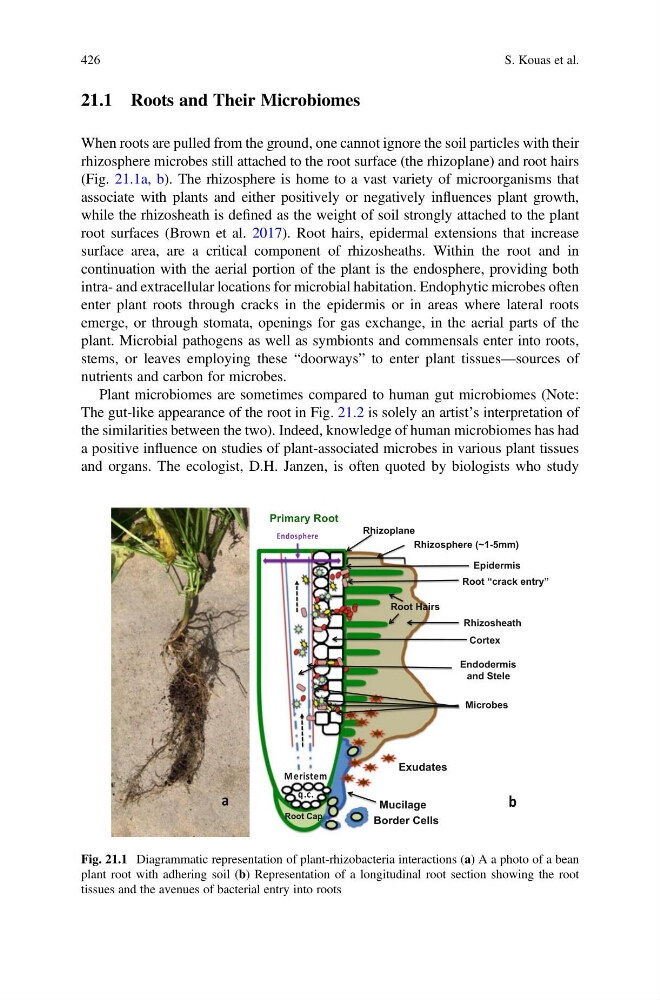
(Fig. 21.1a, b). The rhizosphere is home to a vast variety of microorganisms that
associate with plants and either positively or negatively influences plant growth,
while the rhizosheath is defined as the weight of soil strongly attached to the plant
root surfaces (Brown et al. 2017). Root hairs, epidermal extensions that increase
surface area, are a critical component of rhizosheaths. Within the root and in
continuation with the aerial portion of the plant is the endosphere, providing both
intra- and extracellular locations for microbial habitation. Endophytic microbes often
enter plant roots through cracks in the epidermis or in areas where lateral roots
emerge, or through stomata, openings for gas exchange, in the aerial parts of the
plant. Microbial pathogens as well as symbionts and commensals enter into roots,
stems, or leaves employing these “doorways” to enter plant tissues—sources of
nutrients and carbon for microbes.
Plant microbiomes are sometimes compared to human gut microbiomes (Note:
The gut-like appearance of the root in Fig. 21.2 is solely an artist’s interpretation of
the similarities between the two). Indeed, knowledge of human microbiomes has had
a positive influence on studies of plant-associated microbes in various plant tissues
and organs. The ecologist, D.H. Janzen, is often quoted by biologists who study
Primary Root
Root Hairs
Rhizoplane
Rhizosphere (~1-5mm)
Rhizosheath
Me
Root Cap
Epidermis
Endodermis
and Stele
Cortex
Mucilage
Exudates
Meristem
q.c.
Border Cells
v
Endosphere
Root “crack entry”
a
b
Microbes
Fig. 21.1 Diagrammatic representation of plant-rhizobacteria interactions (a) A a photo of a bean
plant root with adhering soil (b) Representation of a longitudinal root section showing the root
tissues and the avenues of bacterial entry into roots
426
S. Kouas et al.
When roots are pulled from the ground, one cannot ignore the soil particles with their
rhizosphere microbes still attached to the root surface (the rhizoplane) and root hairs
(Fig. 21.1a, b). The rhizosphere is home to a vast variety of microorganisms that
associate with plants and either positively or negatively influences plant growth,
while the rhizosheath is defined as the weight of soil strongly attached to the plant
root surfaces (Brown et al. 2017). Root hairs, epidermal extensions that increase
surface area, are a critical component of rhizosheaths. Within the root and in
continuation with the aerial portion of the plant is the endosphere, providing both
intra- and extracellular locations for microbial habitation. Endophytic microbes often
enter plant roots through cracks in the epidermis or in areas where lateral roots
emerge, or through stomata, openings for gas exchange, in the aerial parts of the
plant. Microbial pathogens as well as symbionts and commensals enter into roots,
stems, or leaves employing these “doorways” to enter plant tissues—sources of
nutrients and carbon for microbes.
Plant microbiomes are sometimes compared to human gut microbiomes (Note:
The gut-like appearance of the root in Fig. 21.2 is solely an artist’s interpretation of
the similarities between the two). Indeed, knowledge of human microbiomes has had
a positive influence on studies of plant-associated microbes in various plant tissues
and organs. The ecologist, D.H. Janzen, is often quoted by biologists who study
Primary Root
Root Hairs
Rhizoplane
Rhizosphere (~1-5mm)
Rhizosheath
Me
Root Cap
Epidermis
Endodermis
and Stele
Cortex
Mucilage
Exudates
Meristem
q.c.
Border Cells
v
Endosphere
Root “crack entry”
a
b
Microbes
Fig. 21.1 Diagrammatic representation of plant-rhizobacteria interactions (a) A a photo of a bean
plant root with adhering soil (b) Representation of a longitudinal root section showing the root
tissues and the avenues of bacterial entry into roots
426
S. Kouas et al.