

124
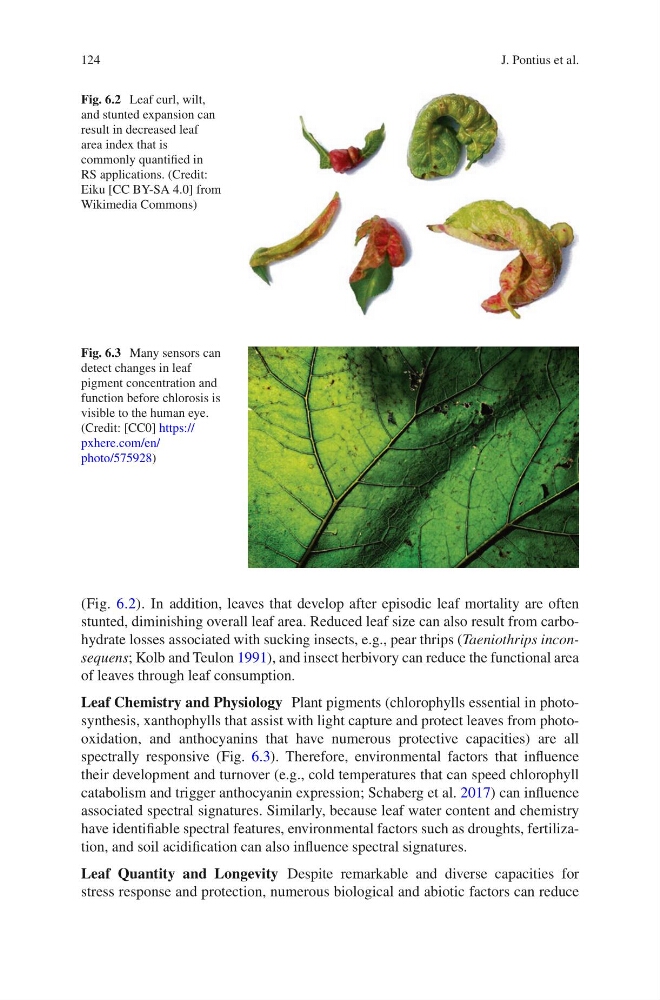
(Fig. 6.2). In addition, leaves that develop after episodic leaf mortality are often
stunted, diminishing overall leaf area. Reduced leaf size can also result from carbohydrate losses associated with sucking insects, e.g., pear thrips (Taeniothrips inconsequens; Kolb and Teulon 1991), and insect herbivory can reduce the functional area
of leaves through leaf consumption.
Leaf Chemistry and Physiology Plant pigments (chlorophylls essential in photosynthesis, xanthophylls that assist with light capture and protect leaves from photooxidation, and anthocyanins that have numerous protective capacities) are all
spectrally responsive (Fig. 6.3). Therefore, environmental factors that influence
their development and turnover (e.g., cold temperatures that can speed chlorophyll
catabolism and trigger anthocyanin expression; Schaberg et al. 2017) can influence
associated spectral signatures. Similarly, because leaf water content and chemistry
have identifiable spectral features, environmental factors such as droughts, fertilization, and soil acidification can also influence spectral signatures.
Leaf Quantity and Longevity Despite remarkable and diverse capacities for
stress response and protection, numerous biological and abiotic factors can reduce
Fig. 6.2 Leaf curl, wilt,
and stunted expansion can
result in decreased leaf
area index that is
commonly quantified in
RS applications. (Credit:
Eiku [CC BY-SA 4.0] from
Wikimedia Commons)
Fig. 6.3 Many sensors can
detect changes in leaf
pigment concentration and
function before chlorosis is
visible to the human eye.
(Credit: [CC0] https://
pxhere.com/en/
photo/575928)
J. Pontius et al.
(Fig. 6.2). In addition, leaves that develop after episodic leaf mortality are often
stunted, diminishing overall leaf area. Reduced leaf size can also result from carbohydrate losses associated with sucking insects, e.g., pear thrips (Taeniothrips inconsequens; Kolb and Teulon 1991), and insect herbivory can reduce the functional area
of leaves through leaf consumption.
Leaf Chemistry and Physiology Plant pigments (chlorophylls essential in photosynthesis, xanthophylls that assist with light capture and protect leaves from photooxidation, and anthocyanins that have numerous protective capacities) are all
spectrally responsive (Fig. 6.3). Therefore, environmental factors that influence
their development and turnover (e.g., cold temperatures that can speed chlorophyll
catabolism and trigger anthocyanin expression; Schaberg et al. 2017) can influence
associated spectral signatures. Similarly, because leaf water content and chemistry
have identifiable spectral features, environmental factors such as droughts, fertilization, and soil acidification can also influence spectral signatures.
Leaf Quantity and Longevity Despite remarkable and diverse capacities for
stress response and protection, numerous biological and abiotic factors can reduce
Fig. 6.2 Leaf curl, wilt,
and stunted expansion can
result in decreased leaf
area index that is
commonly quantified in
RS applications. (Credit:
Eiku [CC BY-SA 4.0] from
Wikimedia Commons)
Fig. 6.3 Many sensors can
detect changes in leaf
pigment concentration and
function before chlorosis is
visible to the human eye.
(Credit: [CC0] https://
pxhere.com/en/
photo/575928)
J. Pontius et al.