

and globosa in the USA in 2015 and 2016,
respectively. Now, with South East Asia, Israel,
and the USA recognizing select Wolffia species
and Lemna minor as human food the crop and its
producers have significant potential to grow and
provide abundant plant protein for minimal land,
water, and energy inputs.
With their small size, growth rate, aquatic
lifestyle, and high protein content, the duckweeds provide a promising new crop to grow and
an assortment of cultivation and preparation
processes for human consumption. Given the
growing consumer demand for novel vegetables
and healthy leafy greens, companies like Hinoman and Green Onyx grow these tiny nutritious
vegetables in clean environments with robotic
systems and plan to bring them into our grocery
stores and homes both frozen and fresh. The
global market for plant-based protein (57% of
total global protein supply; Henchion et al. 2017)
has been growing at 12.3% per year from 2013 to
2016, and is anticipated to grow 6.7% annually
from 2018 to 2021, when it is anticipated to
exceed 1 billion USD. Seeing this demand for
protein, Plantible Foods is developing a gentle
protein isolation process using Lemna in order to
create a colorless, tasteless protein isolate with
the physical properties of egg whites to create a
vegan product that can finally match the textures
of many beloved foods. Additionally, Parabel has
chosen to sell its duckweed product as a high
protein powder. Given the expansion of the plant
protein market in both whole and extract formats,
and their current progress, we expect these and
other companies to increase in size, dramatically,
providing a healthy and environmentally friendly
alternative to less efficient protein sources.
As seen above, duckweed wastewater treatment performs well in tropical and subtropical
environments, requires more land, yet less
funding to operate, and even has the potential to
generate revenue if duckweed biomass and clean
effluent are well utilized. Agricultural wastewater
can be converted into animal feed supplements,
while industrial effluents can be treated to
degrade or accumulate harmful chemicals and
heavy metals while producing bioenergy,
according to the laws of the land. The duckweed
has proven to be a suitable food source for both
humans and livestock, and will likely play an
expanding role in meeting future food demands.
There is plenty more to learn at the International
Lemna Association and The Charms of Duckweed Web sites, and in the Duckweed Forum
newsletter. Given the tremendous diversity of
species, strains, environments, and applications,
along with the relatively recent commercial
interest, duckweed researchers are continuously
rediscovering what is possible and practical.
1.3 Future Prospects
in Duckweed-Based
Applications
The field of duckweed applications has made
tremendous progress recently. For centuries, it
was harvested from wild ponds and used as a
vegetable or animal feed in certain parts of the
world, and largely in the twenty-first century
humans have recognized the potential of these
tiny overlooked plants and started applying them
to wastewater treatment, and larger-scale animal
feed and human nutrition operations. While certain applications are mature enough for
large-scale deployment, those discussed below
include important developing technologies. In
terms of scale and possibility of duckweed
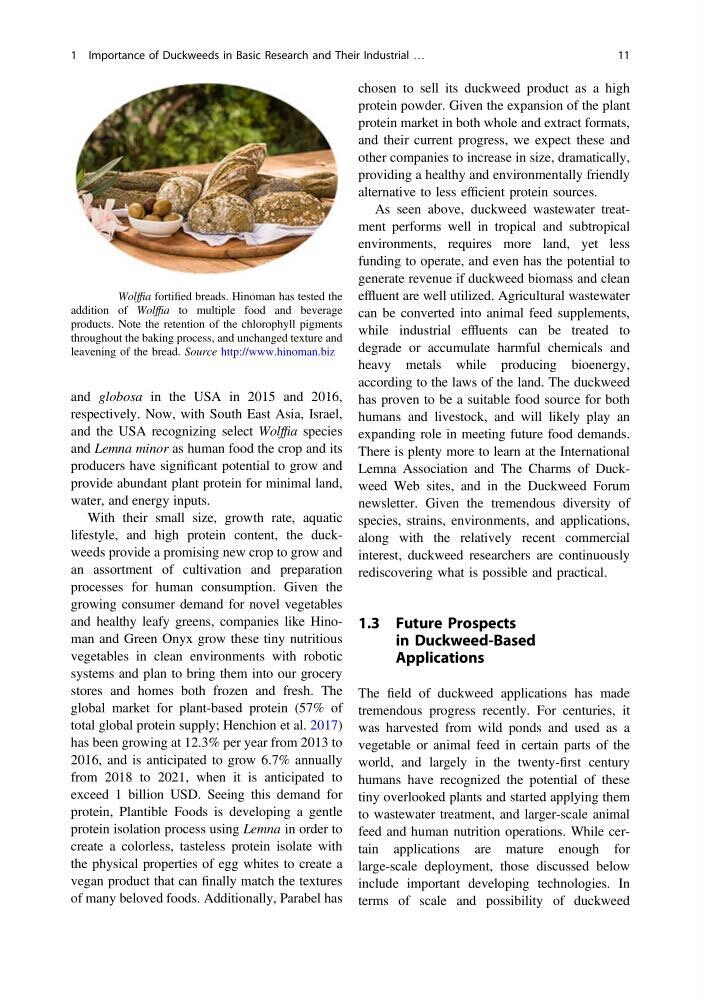
Fig. 1.4 Wolffia fortified breads. Hinoman has tested the
addition of Wolffia to multiple food and beverage
products. Note the retention of the chlorophyll pigments
throughout the baking process, and unchanged texture and
leavening of the bread. Source http://www.hinoman.biz
1 Importance of Duckweeds in Basic Research and Their Industrial …
11
respectively. Now, with South East Asia, Israel,
and the USA recognizing select Wolffia species
and Lemna minor as human food the crop and its
producers have significant potential to grow and
provide abundant plant protein for minimal land,
water, and energy inputs.
With their small size, growth rate, aquatic
lifestyle, and high protein content, the duckweeds provide a promising new crop to grow and
an assortment of cultivation and preparation
processes for human consumption. Given the
growing consumer demand for novel vegetables
and healthy leafy greens, companies like Hinoman and Green Onyx grow these tiny nutritious
vegetables in clean environments with robotic
systems and plan to bring them into our grocery
stores and homes both frozen and fresh. The
global market for plant-based protein (57% of
total global protein supply; Henchion et al. 2017)
has been growing at 12.3% per year from 2013 to
2016, and is anticipated to grow 6.7% annually
from 2018 to 2021, when it is anticipated to
exceed 1 billion USD. Seeing this demand for
protein, Plantible Foods is developing a gentle
protein isolation process using Lemna in order to
create a colorless, tasteless protein isolate with
the physical properties of egg whites to create a
vegan product that can finally match the textures
of many beloved foods. Additionally, Parabel has
chosen to sell its duckweed product as a high
protein powder. Given the expansion of the plant
protein market in both whole and extract formats,
and their current progress, we expect these and
other companies to increase in size, dramatically,
providing a healthy and environmentally friendly
alternative to less efficient protein sources.
As seen above, duckweed wastewater treatment performs well in tropical and subtropical
environments, requires more land, yet less
funding to operate, and even has the potential to
generate revenue if duckweed biomass and clean
effluent are well utilized. Agricultural wastewater
can be converted into animal feed supplements,
while industrial effluents can be treated to
degrade or accumulate harmful chemicals and
heavy metals while producing bioenergy,
according to the laws of the land. The duckweed
has proven to be a suitable food source for both
humans and livestock, and will likely play an
expanding role in meeting future food demands.
There is plenty more to learn at the International
Lemna Association and The Charms of Duckweed Web sites, and in the Duckweed Forum
newsletter. Given the tremendous diversity of
species, strains, environments, and applications,
along with the relatively recent commercial
interest, duckweed researchers are continuously
rediscovering what is possible and practical.
1.3 Future Prospects
in Duckweed-Based
Applications
The field of duckweed applications has made
tremendous progress recently. For centuries, it
was harvested from wild ponds and used as a
vegetable or animal feed in certain parts of the
world, and largely in the twenty-first century
humans have recognized the potential of these
tiny overlooked plants and started applying them
to wastewater treatment, and larger-scale animal
feed and human nutrition operations. While certain applications are mature enough for
large-scale deployment, those discussed below
include important developing technologies. In
terms of scale and possibility of duckweed
Fig. 1.4 Wolffia fortified breads. Hinoman has tested the
addition of Wolffia to multiple food and beverage
products. Note the retention of the chlorophyll pigments
throughout the baking process, and unchanged texture and
leavening of the bread. Source http://www.hinoman.biz
1 Importance of Duckweeds in Basic Research and Their Industrial …
11