

There are several other alternate algorithms available for detection. Some are
similar to the SIFT detection as they rely on the pyramid concept but using a
differing convolution kernel. Here is a list of notable detection algorithms:
• Most blob detection methods are based on local differences in an image, as is the
case for the search of local extrema. Several properties of the region of interest,
like contrast and pixel intensity, are compared against surrounding regions. The
difference of Gaussian presented previously is one of these methods. However,
it is possible to use the Laplacian of Gaussian (LoG) or the difference of Hessian
(DoH) instead.
• Some algorithms, like Harris corner and FAST (Features from Accelerated
Segment Test [29]), are based on corners detection. They work by detecting
corners which are the intersection of two edges on an image. This method is
based on finding small patches in the image which are not similar to neighbor
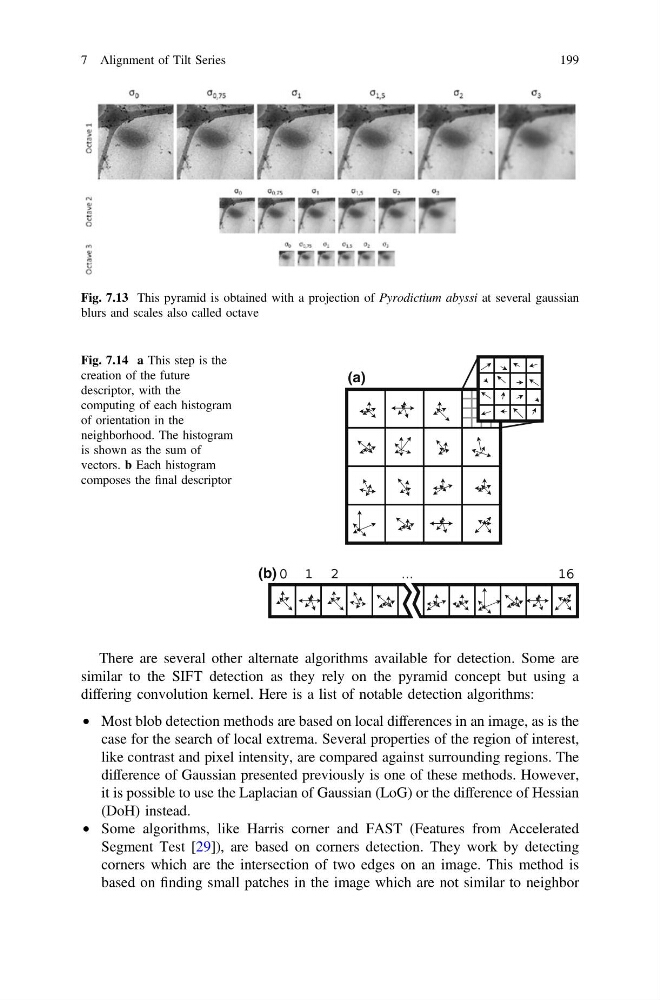
Fig. 7.13 This pyramid is obtained with a projection of Pyrodictium abyssi at several gaussian
blurs and scales also called octave
(a)
(b)
Fig. 7.14 a This step is the
creation of the future
descriptor, with the
computing of each histogram
of orientation in the
neighborhood. The histogram
is shown as the sum of
vectors. b Each histogram
composes the final descriptor
7 Alignment of Tilt Series
199
similar to the SIFT detection as they rely on the pyramid concept but using a
differing convolution kernel. Here is a list of notable detection algorithms:
• Most blob detection methods are based on local differences in an image, as is the
case for the search of local extrema. Several properties of the region of interest,
like contrast and pixel intensity, are compared against surrounding regions. The
difference of Gaussian presented previously is one of these methods. However,
it is possible to use the Laplacian of Gaussian (LoG) or the difference of Hessian
(DoH) instead.
• Some algorithms, like Harris corner and FAST (Features from Accelerated
Segment Test [29]), are based on corners detection. They work by detecting
corners which are the intersection of two edges on an image. This method is
based on finding small patches in the image which are not similar to neighbor
Fig. 7.13 This pyramid is obtained with a projection of Pyrodictium abyssi at several gaussian
blurs and scales also called octave
(a)
(b)
Fig. 7.14 a This step is the
creation of the future
descriptor, with the
computing of each histogram
of orientation in the
neighborhood. The histogram
is shown as the sum of
vectors. b Each histogram
composes the final descriptor
7 Alignment of Tilt Series
199