

first driven by the formation of hydrophobic collapses, associating the side chains of
hydrophobic amino acids that constitute the amino acid sequence, followed by
electrostatic interactions and hydrogen bonding. On the contrary in nucleic acids,
it is the association sequence of complementary bases by hydrogen bonding that
creates a particularly stable helix-based structure, with, for example, extremely large
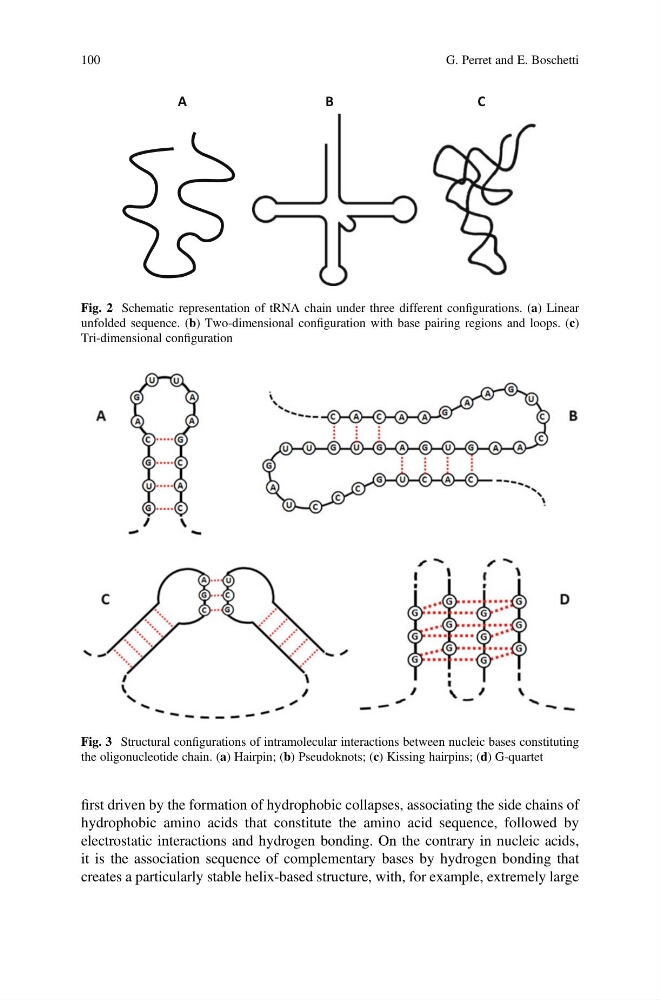
Fig. 3 Structural configurations of intramolecular interactions between nucleic bases constituting
the oligonucleotide chain. (a) Hairpin; (b) Pseudoknots; (c) Kissing hairpins; (d) G-quartet
C
B
A
Fig. 2 Schematic representation of tRNA chain under three different configurations. (a) Linear
unfolded sequence. (b) Two-dimensional configuration with base pairing regions and loops. (c)
Tri-dimensional configuration
100
G. Perret and E. Boschetti
hydrophobic amino acids that constitute the amino acid sequence, followed by
electrostatic interactions and hydrogen bonding. On the contrary in nucleic acids,
it is the association sequence of complementary bases by hydrogen bonding that
creates a particularly stable helix-based structure, with, for example, extremely large
Fig. 3 Structural configurations of intramolecular interactions between nucleic bases constituting
the oligonucleotide chain. (a) Hairpin; (b) Pseudoknots; (c) Kissing hairpins; (d) G-quartet
C
B
A
Fig. 2 Schematic representation of tRNA chain under three different configurations. (a) Linear
unfolded sequence. (b) Two-dimensional configuration with base pairing regions and loops. (c)
Tri-dimensional configuration
100
G. Perret and E. Boschetti