

compared to others because of the specific metabolic pathways that metabolize the
oil content.
Crude oil is composed of several compounds, including aliphatic, aromatic, and
polycyclic aromatic hydrocarbons (PAH) and also sulfur-, oxygen-, and nitrogencontaining compounds. PAH compounds are toxic and may be carcinogenic. High
concentrations of such pollutants, by their poisonous and carcinogenic nature, can
affect cellular metabolism (Tanti et al. 2009). The biodegradation of petroleum
hydrocarbons may be contained by considering many factors. An essential limiting
factor in the biodegradation of polluted soils is often the low bioavailability and
solubility of the hydrocarbons. Crude oil is one of the most significant pollutants in
the environment, able to cause extreme damage to human beings and ecosystems.
Excessive oil concentration causes serious problems in our body such as liver or
kidney disorders, visible harm to bone marrow, and an increased risk of cancer
(Mishra et al. 2001). The use of microorganisms in degradation of petroleum and its
products has been established as a green, cost-effective, flexible, and environmentally sound remedy. The search for effective and green strategies of oil removal from
polluted infected sites has intensified in recent years because the microbial cleanup
of untreated oil spills is a slow process (Grangemard et al. 2001). In microbial
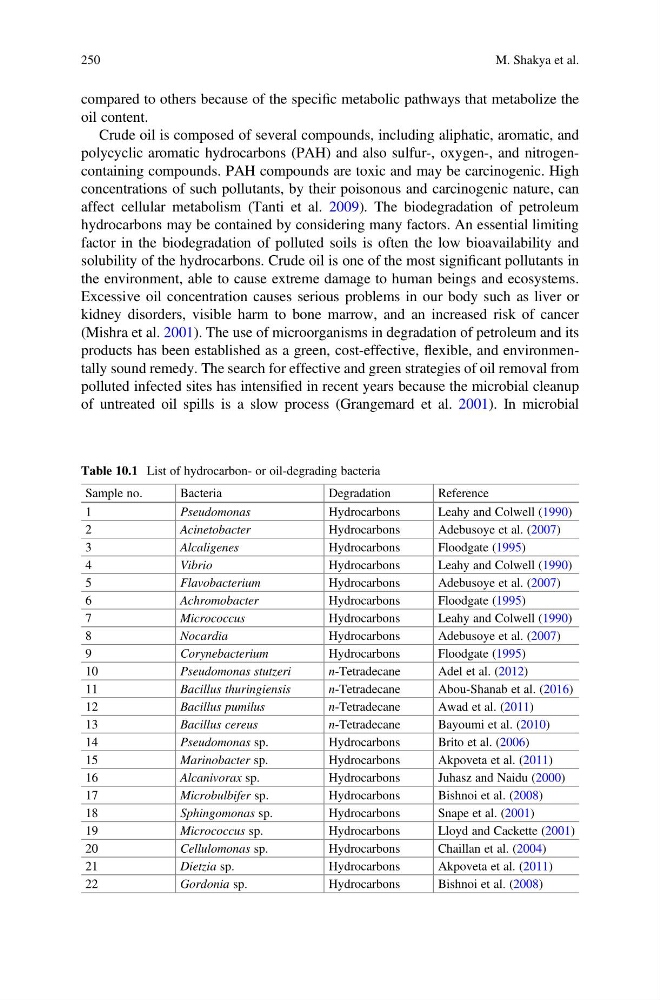
Table 10.1 List of hydrocarbon- or oil-degrading bacteria
Sample no.
Bacteria
Degradation
Reference
1
Pseudomonas
Hydrocarbons
Leahy and Colwell (1990)
2
Acinetobacter
Hydrocarbons
Adebusoye et al. (2007)
3
Alcaligenes
Hydrocarbons
Floodgate (1995)
4
Vibrio
Hydrocarbons
Leahy and Colwell (1990)
5
Flavobacterium
Hydrocarbons
Adebusoye et al. (2007)
6
Achromobacter
Hydrocarbons
Floodgate (1995)
7
Micrococcus
Hydrocarbons
Leahy and Colwell (1990)
8
Nocardia
Hydrocarbons
Adebusoye et al. (2007)
9
Corynebacterium
Hydrocarbons
Floodgate (1995)
10
Pseudomonas stutzeri
n-Tetradecane
Adel et al. (2012)
11
Bacillus thuringiensis
n-Tetradecane
Abou-Shanab et al. (2016)
12
Bacillus pumilus
n-Tetradecane
Awad et al. (2011)
13
Bacillus cereus
n-Tetradecane
Bayoumi et al. (2010)
14
Pseudomonas sp.
Hydrocarbons
Brito et al. (2006)
15
Marinobacter sp.
Hydrocarbons
Akpoveta et al. (2011)
16
Alcanivorax sp.
Hydrocarbons
Juhasz and Naidu (2000)
17
Microbulbifer sp.
Hydrocarbons
Bishnoi et al. (2008)
18
Sphingomonas sp.
Hydrocarbons
Snape et al. (2001)
19
Micrococcus sp.
Hydrocarbons
Lloyd and Cackette (2001)
20
Cellulomonas sp.
Hydrocarbons
Chaillan et al. (2004)
21
Dietzia sp.
Hydrocarbons
Akpoveta et al. (2011)
22
Gordonia sp.
Hydrocarbons
Bishnoi et al. (2008)
250
M. Shakya et al.
oil content.
Crude oil is composed of several compounds, including aliphatic, aromatic, and
polycyclic aromatic hydrocarbons (PAH) and also sulfur-, oxygen-, and nitrogencontaining compounds. PAH compounds are toxic and may be carcinogenic. High
concentrations of such pollutants, by their poisonous and carcinogenic nature, can
affect cellular metabolism (Tanti et al. 2009). The biodegradation of petroleum
hydrocarbons may be contained by considering many factors. An essential limiting
factor in the biodegradation of polluted soils is often the low bioavailability and
solubility of the hydrocarbons. Crude oil is one of the most significant pollutants in
the environment, able to cause extreme damage to human beings and ecosystems.
Excessive oil concentration causes serious problems in our body such as liver or
kidney disorders, visible harm to bone marrow, and an increased risk of cancer
(Mishra et al. 2001). The use of microorganisms in degradation of petroleum and its
products has been established as a green, cost-effective, flexible, and environmentally sound remedy. The search for effective and green strategies of oil removal from
polluted infected sites has intensified in recent years because the microbial cleanup
of untreated oil spills is a slow process (Grangemard et al. 2001). In microbial
Table 10.1 List of hydrocarbon- or oil-degrading bacteria
Sample no.
Bacteria
Degradation
Reference
1
Pseudomonas
Hydrocarbons
Leahy and Colwell (1990)
2
Acinetobacter
Hydrocarbons
Adebusoye et al. (2007)
3
Alcaligenes
Hydrocarbons
Floodgate (1995)
4
Vibrio
Hydrocarbons
Leahy and Colwell (1990)
5
Flavobacterium
Hydrocarbons
Adebusoye et al. (2007)
6
Achromobacter
Hydrocarbons
Floodgate (1995)
7
Micrococcus
Hydrocarbons
Leahy and Colwell (1990)
8
Nocardia
Hydrocarbons
Adebusoye et al. (2007)
9
Corynebacterium
Hydrocarbons
Floodgate (1995)
10
Pseudomonas stutzeri
n-Tetradecane
Adel et al. (2012)
11
Bacillus thuringiensis
n-Tetradecane
Abou-Shanab et al. (2016)
12
Bacillus pumilus
n-Tetradecane
Awad et al. (2011)
13
Bacillus cereus
n-Tetradecane
Bayoumi et al. (2010)
14
Pseudomonas sp.
Hydrocarbons
Brito et al. (2006)
15
Marinobacter sp.
Hydrocarbons
Akpoveta et al. (2011)
16
Alcanivorax sp.
Hydrocarbons
Juhasz and Naidu (2000)
17
Microbulbifer sp.
Hydrocarbons
Bishnoi et al. (2008)
18
Sphingomonas sp.
Hydrocarbons
Snape et al. (2001)
19
Micrococcus sp.
Hydrocarbons
Lloyd and Cackette (2001)
20
Cellulomonas sp.
Hydrocarbons
Chaillan et al. (2004)
21
Dietzia sp.
Hydrocarbons
Akpoveta et al. (2011)
22
Gordonia sp.
Hydrocarbons
Bishnoi et al. (2008)
250
M. Shakya et al.