

4.4 Phycoremediation
Microalgae are photosynthetic microorganisms (Pires et al. 2013), ubiquitous in
natural, aqueous environment, as freshwater, marine water, and wastewaters
(agroindustrial and from livestock). The microalgae growth requires carbon, nitrogen, phosphorus, and other essential trace elements, as well as light (Barsanti and
Gualtieri 2014). For example, to produce 1 g of microalgae biomass is necessary
mainly carbon (more than 50% of the mass weight), nitrogen (63 mg) and phosphorus (9 mg). Other compounds such as lipids, DNA, proteins, carbohydrates vary their
proportion depending on algae species and also the cultivation conditions variation
(Hongyang et al. 2012; Richmond and Hu 2013).
Microalgae have been classified as eco-friendly because they are more efficient
than other methods for CO 2 mitigation (Chiu et al. 2009) and also produce highadded bioproducts such as lipids, biofuel, and enzymes (Wang et al. 2010; Lam and
Lee 2012a). Microalgae have been recommended more than other tertiary processes
for nutrient removal (Wang et al. 2010). In this sense, some microalgae are aligned to
specific wastewater, for instance (items 1, 2 and 3):
1. Some Chlorella species as Chlorella pyrenoidosa can grow in polluted water, in
particular, polluted water contaminated with arsenic either As(III) or As(V).
Podder and Majumder (2016) studied the phycoremediation (arsenic) by
C. pyrenoidosa, in which %81% and 85% of As(III) and As(V) were
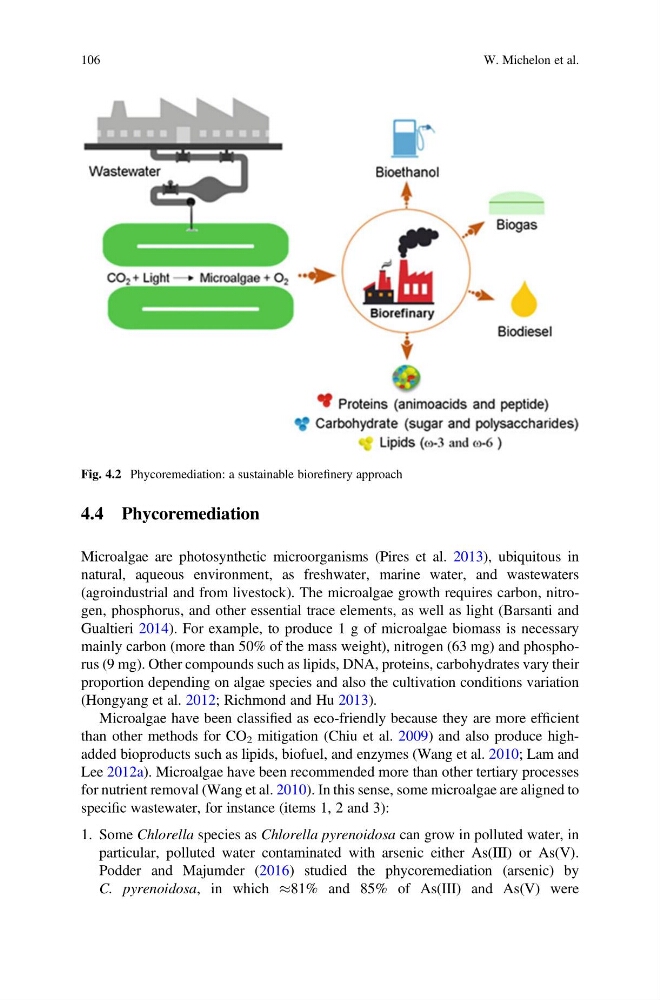
Fig. 4.2 Phycoremediation: a sustainable biorefinery approach
106
W. Michelon et al.
Microalgae are photosynthetic microorganisms (Pires et al. 2013), ubiquitous in
natural, aqueous environment, as freshwater, marine water, and wastewaters
(agroindustrial and from livestock). The microalgae growth requires carbon, nitrogen, phosphorus, and other essential trace elements, as well as light (Barsanti and
Gualtieri 2014). For example, to produce 1 g of microalgae biomass is necessary
mainly carbon (more than 50% of the mass weight), nitrogen (63 mg) and phosphorus (9 mg). Other compounds such as lipids, DNA, proteins, carbohydrates vary their
proportion depending on algae species and also the cultivation conditions variation
(Hongyang et al. 2012; Richmond and Hu 2013).
Microalgae have been classified as eco-friendly because they are more efficient
than other methods for CO 2 mitigation (Chiu et al. 2009) and also produce highadded bioproducts such as lipids, biofuel, and enzymes (Wang et al. 2010; Lam and
Lee 2012a). Microalgae have been recommended more than other tertiary processes
for nutrient removal (Wang et al. 2010). In this sense, some microalgae are aligned to
specific wastewater, for instance (items 1, 2 and 3):
1. Some Chlorella species as Chlorella pyrenoidosa can grow in polluted water, in
particular, polluted water contaminated with arsenic either As(III) or As(V).
Podder and Majumder (2016) studied the phycoremediation (arsenic) by
C. pyrenoidosa, in which %81% and 85% of As(III) and As(V) were
Fig. 4.2 Phycoremediation: a sustainable biorefinery approach
106
W. Michelon et al.