

407
Piriz Carrillo et al. 2003, 2004). Recent results reinforced the convenience of
storing at refrigerator temperatures (Garcia et al. 2014).
15.5 Genetic Variability of Natural Populations Estimated by
AFLP Markers
Given the severe exploitation of the species in the last century and the conversion of
its forests to agricultural lands, the genetic diversity of A. angustifolia is currently
at risk. However, until recently, only populations of Brazil had been included in
genetic studies of the species by means of markers (Sousa and Hattemer 2001;
Auler et al. 2002; Sousa et al. 2004; Stefenon et al. 2007; Bittencourt and Sebbenn
2009; Ferreira de Souza et al. 2009). Inza et al. (2018) have conducted the first
genetic variation study of the remnant A. angustifolia natural populations of
Argentina using molecular markers. This work concludes that the geographical distribution and the demographic history were the main forces shaping the genetic
variability of A. angustifolia populations in Argentina, and it remarks the populations with valuable gene pools for conservation and management purposes.
More in detail, Inza et al. (2018) studied the genetic diversity and differentiation
of nine remnant natural populations with different logging history and the emblematic old plantation of the National Reserve of Manuel Belgrano Forest Station by
means of AFLP markers (Table 15.1, Fig. 15.10). One pair of enzymes and
three selective primer combinations generated 706 polymorphic markers over 312
A. angustifolia trees (Aguirre 2014; Inza et al. 2018). This number of AFLP loci is
higher than similar studies of the species in Brazil (Stefenon et al. 2007; Ferreira de
Souza et al. 2009).
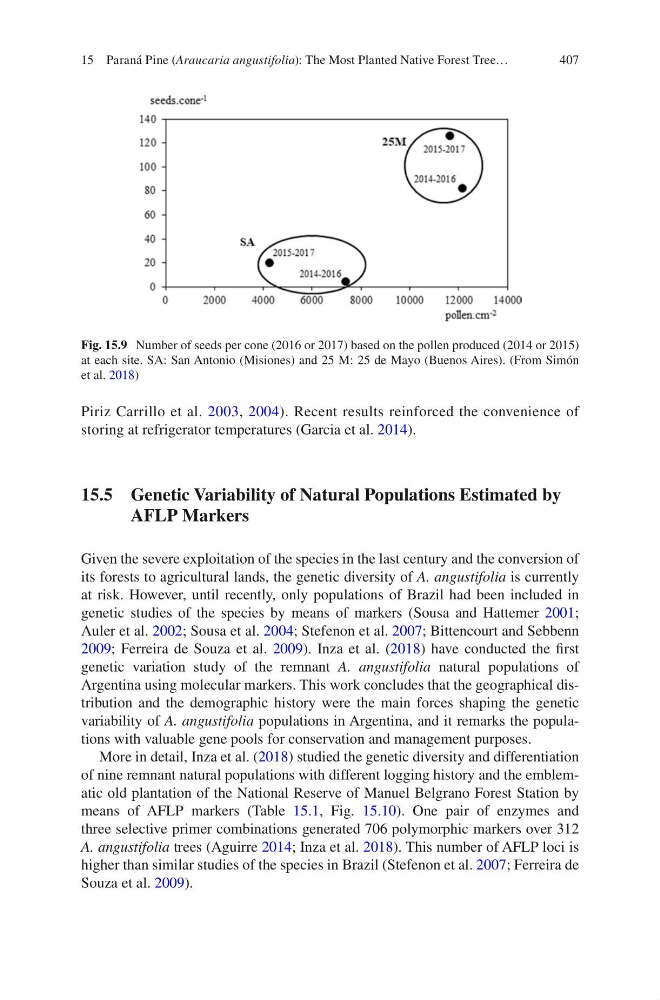
Fig. 15.9 Number of seeds per cone (2016 or 2017) based on the pollen produced (2014 or 2015)
at each site. SA: San Antonio (Misiones) and 25 M: 25 de Mayo (Buenos Aires). (From Simón
et al. 2018)
15 Paraná Pine (Araucaria angustifolia): The Most Planted Native Forest Tree…
Piriz Carrillo et al. 2003, 2004). Recent results reinforced the convenience of
storing at refrigerator temperatures (Garcia et al. 2014).
15.5 Genetic Variability of Natural Populations Estimated by
AFLP Markers
Given the severe exploitation of the species in the last century and the conversion of
its forests to agricultural lands, the genetic diversity of A. angustifolia is currently
at risk. However, until recently, only populations of Brazil had been included in
genetic studies of the species by means of markers (Sousa and Hattemer 2001;
Auler et al. 2002; Sousa et al. 2004; Stefenon et al. 2007; Bittencourt and Sebbenn
2009; Ferreira de Souza et al. 2009). Inza et al. (2018) have conducted the first
genetic variation study of the remnant A. angustifolia natural populations of
Argentina using molecular markers. This work concludes that the geographical distribution and the demographic history were the main forces shaping the genetic
variability of A. angustifolia populations in Argentina, and it remarks the populations with valuable gene pools for conservation and management purposes.
More in detail, Inza et al. (2018) studied the genetic diversity and differentiation
of nine remnant natural populations with different logging history and the emblematic old plantation of the National Reserve of Manuel Belgrano Forest Station by
means of AFLP markers (Table 15.1, Fig. 15.10). One pair of enzymes and
three selective primer combinations generated 706 polymorphic markers over 312
A. angustifolia trees (Aguirre 2014; Inza et al. 2018). This number of AFLP loci is
higher than similar studies of the species in Brazil (Stefenon et al. 2007; Ferreira de
Souza et al. 2009).
Fig. 15.9 Number of seeds per cone (2016 or 2017) based on the pollen produced (2014 or 2015)
at each site. SA: San Antonio (Misiones) and 25 M: 25 de Mayo (Buenos Aires). (From Simón
et al. 2018)
15 Paraná Pine (Araucaria angustifolia): The Most Planted Native Forest Tree…