

255
9.3.3 Morphological and Genetic Differentiation of Disjunct
Prosopis chilensis Populations across its
Distribution Range
Prosopis chilensis (Molina) Stuntz emend. Burkart, locally known as “white algarrobo” or “Chilean algarrobo,” belongs to section Algarobia and is a tree species
with significant distant leaflets on the rachis as a distinctive feature. It has a disjunct
geographical distribution: growing in southern Peru (Burghardt et al. 2010), in
southeastern Bolivia, and in northwestern Argentina (Burkart 1976). The species
also distributes in central Chile, although archaeobotanical and paleoecological data
suggest it would not be native to Chile, appearing in the late Holocene and most
likely associated to human activity (McRostie et al. 2017). According to its wide
distribution, P. chilensis exhibits considerable variation in phenotypic characters.
However, it is not clear to what extent the individuals from disjunct areas differ in
morphological and genetic characters. Therefore, morphological and genetic studies were performed in P. chilensis in order to characterize Argentine and Bolivian
populations (Aguilar et al. 2020).
First, from each tree (50 and 54 individuals from Argentina and Bolivia were
collected, respectively), five totally expanded leaves were sampled from different
places of the canopy and photographed; a total of eleven leaf characters were measured using the software HOJA 3.4. In a Principal Component Analysis, we could
observe that morphological characters varied between the two provenances. The
first two axis of the principal component analysis (PC1 and PC2) explained 65.5%
RAPD LEW LEA LEX
LEX/
LEA LEF
LEL/
LEW LEL PEL
PIL
NLP
RAPD
0.23 0.15 0.14 0.00
0.34 0.39
0.17 0.01
0.05
0.51
LEW
0.00
0.94 0.37 0.12
0.48 0.58
0.89 −0.01
0.17
0.40
LEA
0.00
0.00
0.27 0.07
0.28 0.42
0.87 −0.02
0.15
0.26
LEX
0.00
0.00 0.00
−0.02 0.15 0.40
0.29 −0.03
0.02
0.29
LEX/
LEA
0.41
0.02 0.03 0.71
0.22 0.07
0.06 0.00
0.03
0.00
LEF
0.00
0.00 0.00 0.01 0.00
0.53
0.29 0.08
0.06
0.42
LEL/
LEW
0.00
0.00 0.00 0.00 0.07
0.00
0.34 −0.04
0.26
0.65
LEL
0.00
0.00 0.00 0.00 0.07
0.00 0.00
−0.01
0.09
0.31
PEL
0.26
0.48 0.71 0.88 0.37
0.06 0.99
0.52
−0.03 −0.01
PIL
0.07
0.01 0.01 0.19 0.16
0.08 0.00
0.03 0.88
0.29
NLP
0.00
0.00 0.00 0.00 0.35
0.00 0.00
0.00 0.39
0.00
NPI
0.00
0.00 0.00 0.00 0.54
0.00 0.00
0.00 0.51
0.01
0.00
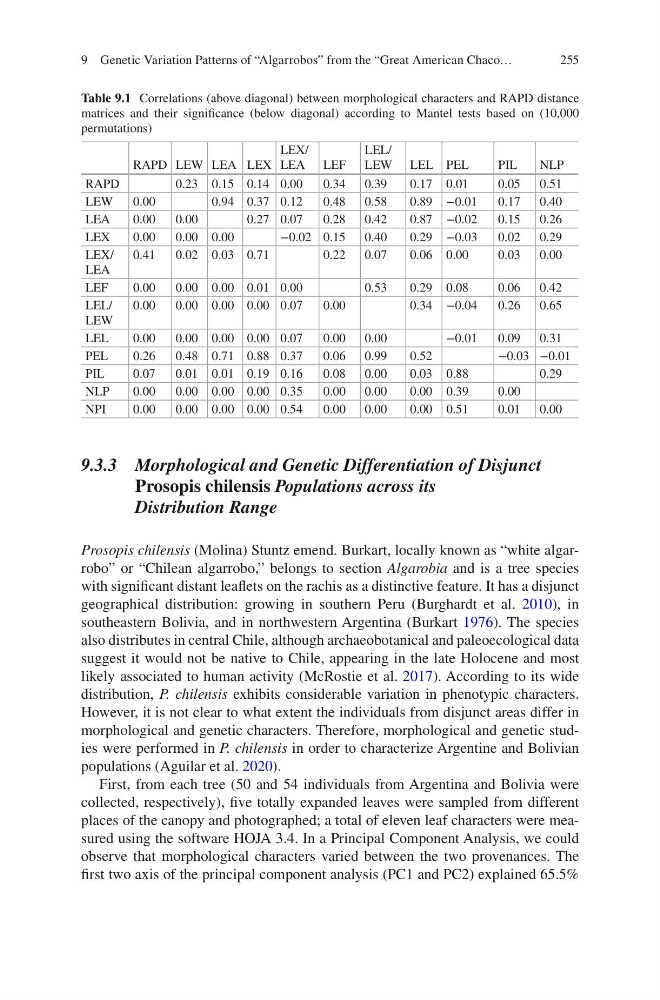
Table 9.1 Correlations (above diagonal) between morphological characters and RAPD distance
matrices and their significance (below diagonal) according to Mantel tests based on (10,000
permutations)
9 Genetic Variation Patterns of “Algarrobos” from the “Great American Chaco…
9.3.3 Morphological and Genetic Differentiation of Disjunct
Prosopis chilensis Populations across its
Distribution Range
Prosopis chilensis (Molina) Stuntz emend. Burkart, locally known as “white algarrobo” or “Chilean algarrobo,” belongs to section Algarobia and is a tree species
with significant distant leaflets on the rachis as a distinctive feature. It has a disjunct
geographical distribution: growing in southern Peru (Burghardt et al. 2010), in
southeastern Bolivia, and in northwestern Argentina (Burkart 1976). The species
also distributes in central Chile, although archaeobotanical and paleoecological data
suggest it would not be native to Chile, appearing in the late Holocene and most
likely associated to human activity (McRostie et al. 2017). According to its wide
distribution, P. chilensis exhibits considerable variation in phenotypic characters.
However, it is not clear to what extent the individuals from disjunct areas differ in
morphological and genetic characters. Therefore, morphological and genetic studies were performed in P. chilensis in order to characterize Argentine and Bolivian
populations (Aguilar et al. 2020).
First, from each tree (50 and 54 individuals from Argentina and Bolivia were
collected, respectively), five totally expanded leaves were sampled from different
places of the canopy and photographed; a total of eleven leaf characters were measured using the software HOJA 3.4. In a Principal Component Analysis, we could
observe that morphological characters varied between the two provenances. The
first two axis of the principal component analysis (PC1 and PC2) explained 65.5%
RAPD LEW LEA LEX
LEX/
LEA LEF
LEL/
LEW LEL PEL
PIL
NLP
RAPD
0.23 0.15 0.14 0.00
0.34 0.39
0.17 0.01
0.05
0.51
LEW
0.00
0.94 0.37 0.12
0.48 0.58
0.89 −0.01
0.17
0.40
LEA
0.00
0.00
0.27 0.07
0.28 0.42
0.87 −0.02
0.15
0.26
LEX
0.00
0.00 0.00
−0.02 0.15 0.40
0.29 −0.03
0.02
0.29
LEX/
LEA
0.41
0.02 0.03 0.71
0.22 0.07
0.06 0.00
0.03
0.00
LEF
0.00
0.00 0.00 0.01 0.00
0.53
0.29 0.08
0.06
0.42
LEL/
LEW
0.00
0.00 0.00 0.00 0.07
0.00
0.34 −0.04
0.26
0.65
LEL
0.00
0.00 0.00 0.00 0.07
0.00 0.00
−0.01
0.09
0.31
PEL
0.26
0.48 0.71 0.88 0.37
0.06 0.99
0.52
−0.03 −0.01
PIL
0.07
0.01 0.01 0.19 0.16
0.08 0.00
0.03 0.88
0.29
NLP
0.00
0.00 0.00 0.00 0.35
0.00 0.00
0.00 0.39
0.00
NPI
0.00
0.00 0.00 0.00 0.54
0.00 0.00
0.00 0.51
0.01
0.00
Table 9.1 Correlations (above diagonal) between morphological characters and RAPD distance
matrices and their significance (below diagonal) according to Mantel tests based on (10,000
permutations)
9 Genetic Variation Patterns of “Algarrobos” from the “Great American Chaco…