

152
6.2 Geographic Patterns of Neutral Genetic Variation
Selectively neutral genetic markers offer the possibility of reconstructing processes
that have modeled the current distribution and patterns of genetic diversity of trees.
Broadly speaking, the general agreement among studies on tree phylogeography
and population genetics (complemented with other disciplines) in Patagonia is that
the main modeling processes have been the glacial and interglacial cycles of the
Quaternary, although volcanism, marine transgressions, and fires also played a role.
Those processes can be understood as a drastic retraction of the distribution ranges
of species up to the last glacial maximum, which dates back to ca. 25,000 years
(Lowell et al. 1995; Flint and Fidalgo 1964, 1969), towards shelter areas located
beyond the periphery of the ice, i.e., into the Patagonian steppe at the Argentinean
side of the Andes. The subsequent recolonization of ice-free areas from multiple
periglacial refuges is considered a major recent modeling process (e.g., Villagrán
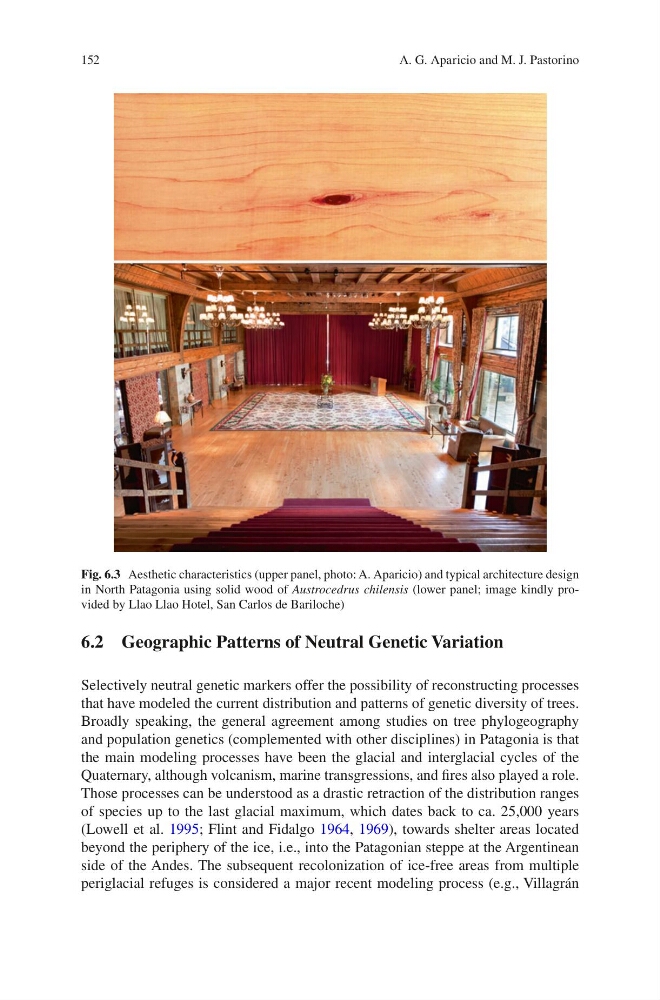
Fig. 6.3 Aesthetic characteristics (upper panel, photo: A. Aparicio) and typical architecture design
in North Patagonia using solid wood of Austrocedrus chilensis (lower panel; image kindly provided by Llao Llao Hotel, San Carlos de Bariloche)
A. G. Aparicio and M. J. Pastorino
6.2 Geographic Patterns of Neutral Genetic Variation
Selectively neutral genetic markers offer the possibility of reconstructing processes
that have modeled the current distribution and patterns of genetic diversity of trees.
Broadly speaking, the general agreement among studies on tree phylogeography
and population genetics (complemented with other disciplines) in Patagonia is that
the main modeling processes have been the glacial and interglacial cycles of the
Quaternary, although volcanism, marine transgressions, and fires also played a role.
Those processes can be understood as a drastic retraction of the distribution ranges
of species up to the last glacial maximum, which dates back to ca. 25,000 years
(Lowell et al. 1995; Flint and Fidalgo 1964, 1969), towards shelter areas located
beyond the periphery of the ice, i.e., into the Patagonian steppe at the Argentinean
side of the Andes. The subsequent recolonization of ice-free areas from multiple
periglacial refuges is considered a major recent modeling process (e.g., Villagrán
Fig. 6.3 Aesthetic characteristics (upper panel, photo: A. Aparicio) and typical architecture design
in North Patagonia using solid wood of Austrocedrus chilensis (lower panel; image kindly provided by Llao Llao Hotel, San Carlos de Bariloche)
A. G. Aparicio and M. J. Pastorino