

142
characterization of their shape by means of three binary traits: mono-/sympodial
growth, straight/tortuous stem, and presence/absence of forking. The mean height
of each orchard was 113.5 ± 49 cm and 196 ± 48 cm, respectively. No differences
could be shown between the populations in both orchards for any of the shape traits,
nor for the height, and the family factor was significant only for the height in the
irrigated orchard and in fact with a h
2
= 0.24. It may be that the environmental heterogeneity is too large in the non-irrigated orchard to detect differences so soon.
5.6.2 First Steps in N. pumilio
Seed production has been estimated in old growth natural forests of Tierra del Fuego
(Martínez Pastur et al. 2008) and does not seem to be a limiting factor for seedling
production (42.5 million of viable seeds per hectare in one season). However, in the
experience of INTA in central and north Argentine Patagonia, seed provision represents a true bottleneck. Seed production fluctuates greatly from year to year in the
natural forest, and the proportion of empty or nonviable seeds is rather large. It may
take several years until an abundant collection of good quality seeds is achieved.
Furthermore, the seeds of N. pumilio are almost recalcitrant, and, therefore, their
viability decreases considerably in only 1 year, even when stocked at low
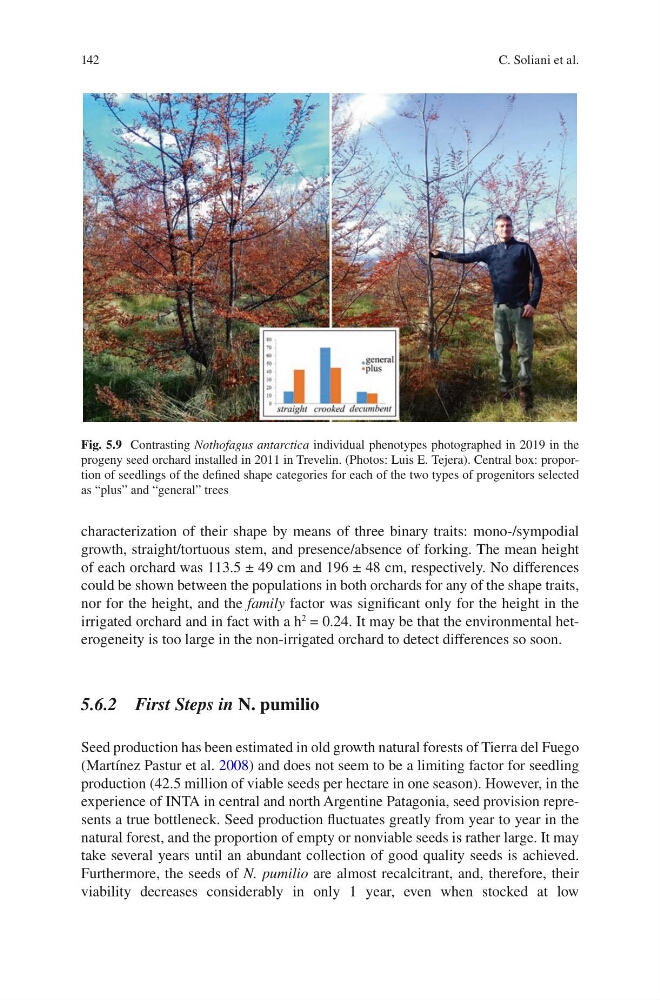
Fig. 5.9 Contrasting Nothofagus antarctica individual phenotypes photographed in 2019 in the
progeny seed orchard installed in 2011 in Trevelin. (Photos: Luis E. Tejera). Central box: proportion of seedlings of the defined shape categories for each of the two types of progenitors selected
as “plus” and “general” trees
C. Soliani et al.
characterization of their shape by means of three binary traits: mono-/sympodial
growth, straight/tortuous stem, and presence/absence of forking. The mean height
of each orchard was 113.5 ± 49 cm and 196 ± 48 cm, respectively. No differences
could be shown between the populations in both orchards for any of the shape traits,
nor for the height, and the family factor was significant only for the height in the
irrigated orchard and in fact with a h
2
= 0.24. It may be that the environmental heterogeneity is too large in the non-irrigated orchard to detect differences so soon.
5.6.2 First Steps in N. pumilio
Seed production has been estimated in old growth natural forests of Tierra del Fuego
(Martínez Pastur et al. 2008) and does not seem to be a limiting factor for seedling
production (42.5 million of viable seeds per hectare in one season). However, in the
experience of INTA in central and north Argentine Patagonia, seed provision represents a true bottleneck. Seed production fluctuates greatly from year to year in the
natural forest, and the proportion of empty or nonviable seeds is rather large. It may
take several years until an abundant collection of good quality seeds is achieved.
Furthermore, the seeds of N. pumilio are almost recalcitrant, and, therefore, their
viability decreases considerably in only 1 year, even when stocked at low
Fig. 5.9 Contrasting Nothofagus antarctica individual phenotypes photographed in 2019 in the
progeny seed orchard installed in 2011 in Trevelin. (Photos: Luis E. Tejera). Central box: proportion of seedlings of the defined shape categories for each of the two types of progenitors selected
as “plus” and “general” trees
C. Soliani et al.