

The research activities conducted in Pasteur Institute of Iran included research
projects on malaria, Leishmaniasis, Toxoplasmosis, Hydadits and vector-borne
diseases by arthropods. Now, the Pasteur Institute of Iran (http://en.pasteur.ac.ir),
after a century-old existence has become an advanced and significant center active in
diverse fields such as public health and biological researches, for both research and
education (Shahbaziand and Mostafavi 2018). This institute is currently
accomplishing effective activities in identifying diseases such as Rabies, Tuberculosis, Malaria, Hepatitis, Aids and viral fevers and in some domains such as Rabies
the institute is regarded as a reference center.
1.8.2 Razi Vaccine and Serum Research Institute
To prevent animal diseases and also to train some groups of veterinarians, Mostafa
Qoli Bayat founded the Razi Vaccine and Serum Research Institute (http://www.rvsri.
ac.ir). This institute commenced operating under the supervision of the Ministry of
Agriculture and Public Interests (then Ministry of Agriculture) in 1924 by research
into combating the Paramyxovirus ruminant diseases, Rinderpest and manufacturing
an effective vaccine against the disease, which effectively started a new era of diseases
control in the country. Soon after this success, the mission to manufacture various
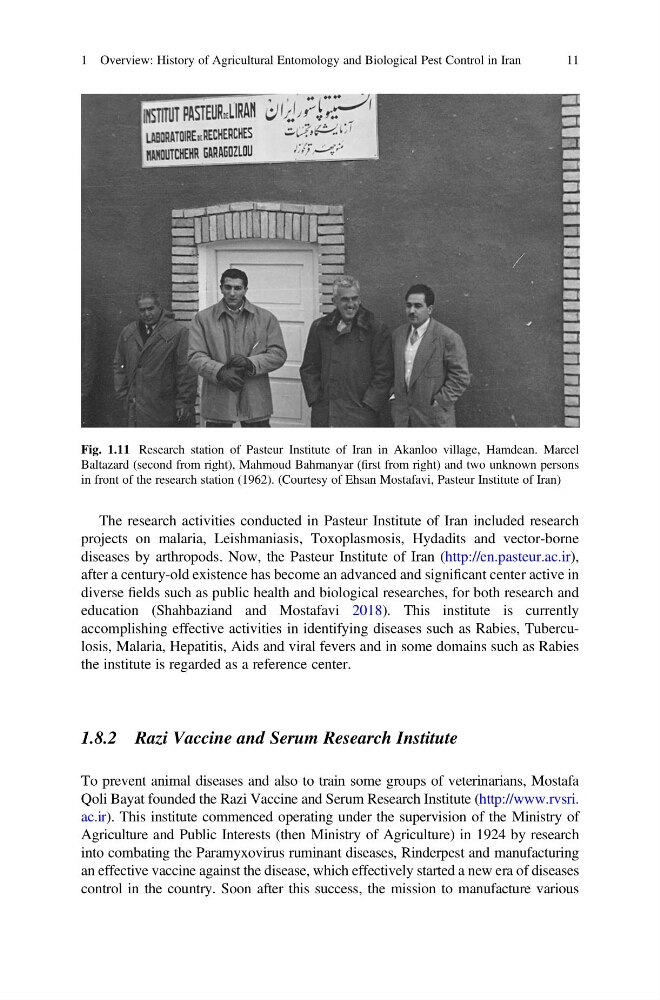
Fig. 1.11 Research station of Pasteur Institute of Iran in Akanloo village, Hamdean. Marcel
Baltazard (second from right), Mahmoud Bahmanyar (first from right) and two unknown persons
in front of the research station (1962). (Courtesy of Ehsan Mostafavi, Pasteur Institute of Iran)
1 Overview: History of Agricultural Entomology and Biological Pest Control in Iran
11
projects on malaria, Leishmaniasis, Toxoplasmosis, Hydadits and vector-borne
diseases by arthropods. Now, the Pasteur Institute of Iran (http://en.pasteur.ac.ir),
after a century-old existence has become an advanced and significant center active in
diverse fields such as public health and biological researches, for both research and
education (Shahbaziand and Mostafavi 2018). This institute is currently
accomplishing effective activities in identifying diseases such as Rabies, Tuberculosis, Malaria, Hepatitis, Aids and viral fevers and in some domains such as Rabies
the institute is regarded as a reference center.
1.8.2 Razi Vaccine and Serum Research Institute
To prevent animal diseases and also to train some groups of veterinarians, Mostafa
Qoli Bayat founded the Razi Vaccine and Serum Research Institute (http://www.rvsri.
ac.ir). This institute commenced operating under the supervision of the Ministry of
Agriculture and Public Interests (then Ministry of Agriculture) in 1924 by research
into combating the Paramyxovirus ruminant diseases, Rinderpest and manufacturing
an effective vaccine against the disease, which effectively started a new era of diseases
control in the country. Soon after this success, the mission to manufacture various
Fig. 1.11 Research station of Pasteur Institute of Iran in Akanloo village, Hamdean. Marcel
Baltazard (second from right), Mahmoud Bahmanyar (first from right) and two unknown persons
in front of the research station (1962). (Courtesy of Ehsan Mostafavi, Pasteur Institute of Iran)
1 Overview: History of Agricultural Entomology and Biological Pest Control in Iran
11