

2.5
Genome and Transcriptome Sequences Are Useful
for Elucidating Cancer Biology
Genome and transcriptome sequencing have allowed researchers to gain unprecedented
resolution into the cellular processes that lead to cell transformation and the consequences
of carrying particular mutations. Traditionally, scientists have relied on “bulk” sequencing,
which means that they sequence the genomes or transcriptomes of a bulk of cells from the
tumor and therefore the experiment readout can be interpreted as an average of the tumor
mutations or gene expression patterns. One of the earliest large cancer sequencing projects,
The Cancer Genome Atlas (TCGA, discussed below in Sect. 2.7), bulk-sequenced exomes
and transcriptomes from large numbers and types of cancer and allowed the identification
of further genomic drivers, the classification of several types of cancer in genomic
subtypes, and the discovery of dysregulated processes leading to cell growth and metastasis
[12]. However, many fundamental discoveries in cancer genomics have come from the
study of in vitro and in vivo models of the disease.
2.5.1 Sequencing of In Vitro and In Vivo Tumor Models Identifies
Fundamental Biological Properties
The first available models for studying cancer cell biology were cell lines, an in vitro
strategy fueled in 1951 with the isolation and culture of biopsy cells taken from cervical
cancer patient Henrietta Lacks (who did not consent to the experiment) [13]. After these
cells (termed HeLa, after the patient’s name) proved invaluable for, e.g., developing the
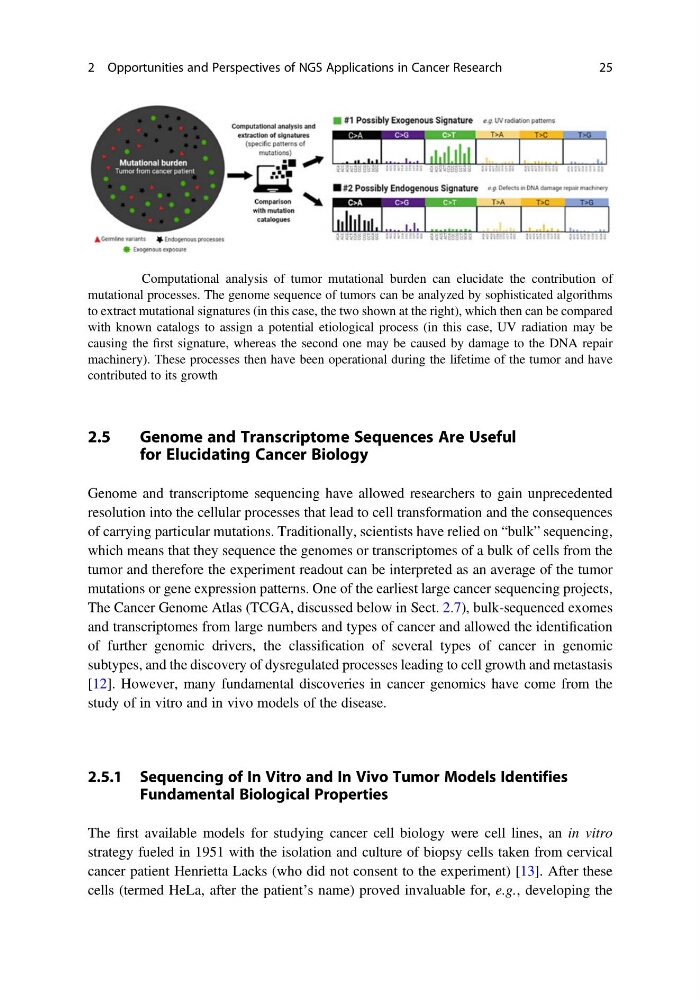
Fig. 2.3 Computational analysis of tumor mutational burden can elucidate the contribution of
mutational processes. The genome sequence of tumors can be analyzed by sophisticated algorithms
to extract mutational signatures (in this case, the two shown at the right), which then can be compared
with known catalogs to assign a potential etiological process (in this case, UV radiation may be
causing the first signature, whereas the second one may be caused by damage to the DNA repair
machinery). These processes then have been operational during the lifetime of the tumor and have
contributed to its growth
2 Opportunities and Perspectives of NGS Applications in Cancer Research
25
Genome and Transcriptome Sequences Are Useful
for Elucidating Cancer Biology
Genome and transcriptome sequencing have allowed researchers to gain unprecedented
resolution into the cellular processes that lead to cell transformation and the consequences
of carrying particular mutations. Traditionally, scientists have relied on “bulk” sequencing,
which means that they sequence the genomes or transcriptomes of a bulk of cells from the
tumor and therefore the experiment readout can be interpreted as an average of the tumor
mutations or gene expression patterns. One of the earliest large cancer sequencing projects,
The Cancer Genome Atlas (TCGA, discussed below in Sect. 2.7), bulk-sequenced exomes
and transcriptomes from large numbers and types of cancer and allowed the identification
of further genomic drivers, the classification of several types of cancer in genomic
subtypes, and the discovery of dysregulated processes leading to cell growth and metastasis
[12]. However, many fundamental discoveries in cancer genomics have come from the
study of in vitro and in vivo models of the disease.
2.5.1 Sequencing of In Vitro and In Vivo Tumor Models Identifies
Fundamental Biological Properties
The first available models for studying cancer cell biology were cell lines, an in vitro
strategy fueled in 1951 with the isolation and culture of biopsy cells taken from cervical
cancer patient Henrietta Lacks (who did not consent to the experiment) [13]. After these
cells (termed HeLa, after the patient’s name) proved invaluable for, e.g., developing the
Fig. 2.3 Computational analysis of tumor mutational burden can elucidate the contribution of
mutational processes. The genome sequence of tumors can be analyzed by sophisticated algorithms
to extract mutational signatures (in this case, the two shown at the right), which then can be compared
with known catalogs to assign a potential etiological process (in this case, UV radiation may be
causing the first signature, whereas the second one may be caused by damage to the DNA repair
machinery). These processes then have been operational during the lifetime of the tumor and have
contributed to its growth
2 Opportunities and Perspectives of NGS Applications in Cancer Research
25