

For all experiments, the SPR instrument is docked with a Series
S streptavidin chip and primed with running buffer. This instrument creates four flow cells on the chip. The method described
below uses only two of these flow cells. Flow cell 1 will be the
reference (FC ref ) and flow cell 2 the test (FC test ). For this instrument and chip combination, flow cells 3 and 4 remain available for
use in other experiments (see Note 7). In addition, the first time a
chip is docked, a normalization with 70% glycerol should be carried
Time
Response
= biotinylated ReDCaT linker
= Test strand 1 (forward strand)
= Test strand 2 (reverse strand) plus complement to linker
inject test DNA
inject ReDCaT linker
inject protein
regenerate
= DNA-binding protein
“ReDCaT
Chip”
SA Chip
Test
flow cell
nick
a
b
c
d
inject protein
inject test DNA
remove protein
(salt washes)
remove DNA
(salt/NaOH wash)
streptavidin
Reference
flow cell
baseline
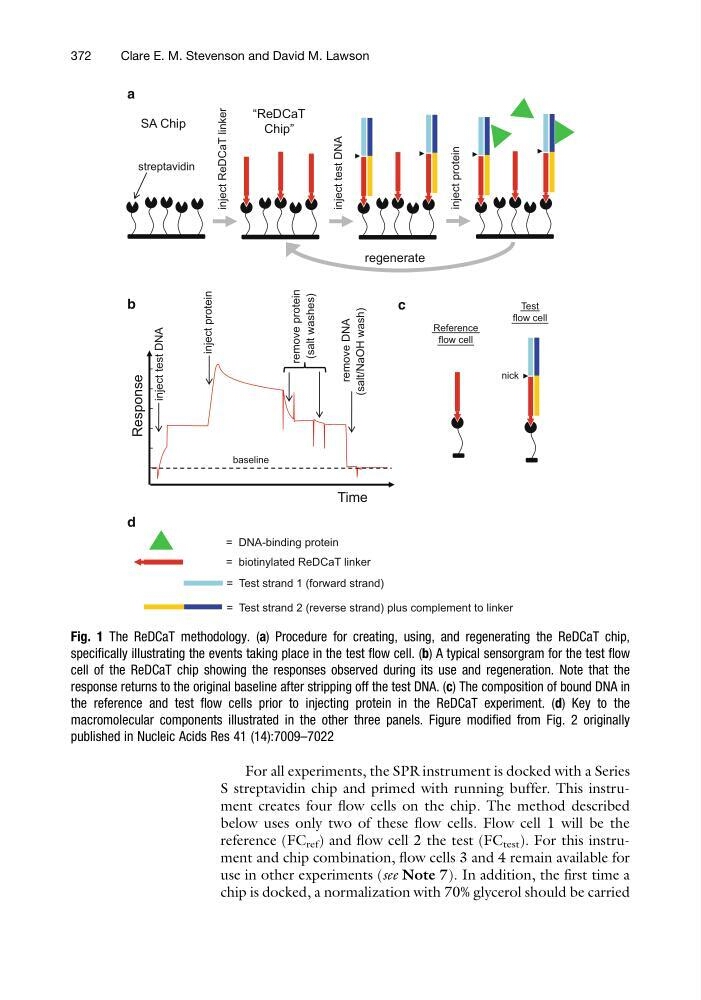
Fig. 1 The ReDCaT methodology. (a) Procedure for creating, using, and regenerating the ReDCaT chip,
specifically illustrating the events taking place in the test flow cell. (b) A typical sensorgram for the test flow
cell of the ReDCaT chip showing the responses observed during its use and regeneration. Note that the
response returns to the original baseline after stripping off the test DNA. (c) The composition of bound DNA in
the reference and test flow cells prior to injecting protein in the ReDCaT experiment. (d) Key to the
macromolecular components illustrated in the other three panels. Figure modified from Fig. 2 originally
published in Nucleic Acids Res 41 (14):7009–7022
372
Clare E. M. Stevenson and David M. Lawson
S streptavidin chip and primed with running buffer. This instrument creates four flow cells on the chip. The method described
below uses only two of these flow cells. Flow cell 1 will be the
reference (FC ref ) and flow cell 2 the test (FC test ). For this instrument and chip combination, flow cells 3 and 4 remain available for
use in other experiments (see Note 7). In addition, the first time a
chip is docked, a normalization with 70% glycerol should be carried
Time
Response
= biotinylated ReDCaT linker
= Test strand 1 (forward strand)
= Test strand 2 (reverse strand) plus complement to linker
inject test DNA
inject ReDCaT linker
inject protein
regenerate
= DNA-binding protein
“ReDCaT
Chip”
SA Chip
Test
flow cell
nick
a
b
c
d
inject protein
inject test DNA
remove protein
(salt washes)
remove DNA
(salt/NaOH wash)
streptavidin
Reference
flow cell
baseline
Fig. 1 The ReDCaT methodology. (a) Procedure for creating, using, and regenerating the ReDCaT chip,
specifically illustrating the events taking place in the test flow cell. (b) A typical sensorgram for the test flow
cell of the ReDCaT chip showing the responses observed during its use and regeneration. Note that the
response returns to the original baseline after stripping off the test DNA. (c) The composition of bound DNA in
the reference and test flow cells prior to injecting protein in the ReDCaT experiment. (d) Key to the
macromolecular components illustrated in the other three panels. Figure modified from Fig. 2 originally
published in Nucleic Acids Res 41 (14):7009–7022
372
Clare E. M. Stevenson and David M. Lawson