

63
rate of antibiotic resistance was found to be consistent with most of the antibiotics
classes including fluoroquinolones, beta-lactams, sulpha, tetracyclines, aminoglycosides, hydantoins and carbapenems. Therefore climate change should also be
considered as a factor contributing to increasing antimicrobial resistance
(MacFadden et al. 2018). Another recent study identified a novel relationship
between antimicrobial resistance and climate change and revealed two aspects: that
the antimicrobial resistance prediction in different societies and the healthcare system significantly attributes to climatic factors. In addition, climate change could be
Sunlight
Heat
Rain
Wind
Carbon dioxide
Photosynthesis
Interaction
Carbon dioxide
Carbon dioxide
Carbon dioxide Microbial decomposition
Respiration
Deposition
Agriculture
Terrestrial environment
Marine environment
Remineralization
Photosynthesis
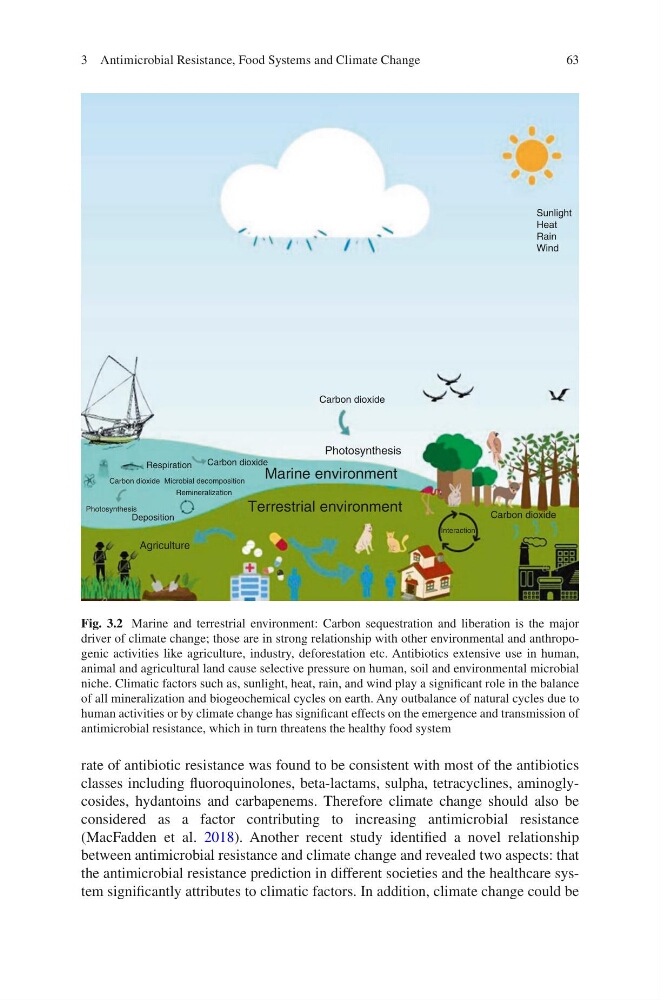
Fig. 3.2 Marine and terrestrial environment: Carbon sequestration and liberation is the major
driver of climate change; those are in strong relationship with other environmental and anthropogenic activities like agriculture, industry, deforestation etc. Antibiotics extensive use in human,
animal and agricultural land cause selective pressure on human, soil and environmental microbial
niche. Climatic factors such as, sunlight, heat, rain, and wind play a significant role in the balance
of all mineralization and biogeochemical cycles on earth. Any outbalance of natural cycles due to
human activities or by climate change has significant effects on the emergence and transmission of
antimicrobial resistance, which in turn threatens the healthy food system
3 Antimicrobial Resistance, Food Systems and Climate Change
rate of antibiotic resistance was found to be consistent with most of the antibiotics
classes including fluoroquinolones, beta-lactams, sulpha, tetracyclines, aminoglycosides, hydantoins and carbapenems. Therefore climate change should also be
considered as a factor contributing to increasing antimicrobial resistance
(MacFadden et al. 2018). Another recent study identified a novel relationship
between antimicrobial resistance and climate change and revealed two aspects: that
the antimicrobial resistance prediction in different societies and the healthcare system significantly attributes to climatic factors. In addition, climate change could be
Sunlight
Heat
Rain
Wind
Carbon dioxide
Photosynthesis
Interaction
Carbon dioxide
Carbon dioxide
Carbon dioxide Microbial decomposition
Respiration
Deposition
Agriculture
Terrestrial environment
Marine environment
Remineralization
Photosynthesis
Fig. 3.2 Marine and terrestrial environment: Carbon sequestration and liberation is the major
driver of climate change; those are in strong relationship with other environmental and anthropogenic activities like agriculture, industry, deforestation etc. Antibiotics extensive use in human,
animal and agricultural land cause selective pressure on human, soil and environmental microbial
niche. Climatic factors such as, sunlight, heat, rain, and wind play a significant role in the balance
of all mineralization and biogeochemical cycles on earth. Any outbalance of natural cycles due to
human activities or by climate change has significant effects on the emergence and transmission of
antimicrobial resistance, which in turn threatens the healthy food system
3 Antimicrobial Resistance, Food Systems and Climate Change