

8
metaphylaxis, are poorly absorbed and upon excretion by the animal, it ends up in
the animal manure. The usage of antibiotics at mass level in animals leads to emergence of antibiotic resistant pathogens in animals, many of which can infect humans.
Many changes have been made to curb this practice of metaphylaxis. Use of 11
antibiotics as growth promoters had been banned in Denmark and European Union
in the year 1995 and 2000 respectively. Over two decades, this has led to progressive decline of up to 50% in resistance of microbes (of human and animal origin)
against these antibiotics (Hollis and Ahmed 2013).
Manure is a major contributor to antimicrobial resistance because the antibiotic
resistance genes get easily transferred to the genome of bacterial population that
infects human (Zhu et al. 2013). This unintended exposure of sub-therapeutic levels
of antibiotics in manures, and thus to soil, further increases the accumulation of
antibiotic resistance genes in the environment (Pruden et al. 2012). In addition to
the use of antibiotics, metals are also used on farm animals, for feed purpose, to
increase their growth. The feed used in such practices generally includes metals
such as Cu, Zn, As, Cr, Cd, Pb and most of these comes under the category of heavy
metals, which also inhibits the bacterial growth thereby creating a co-selection pressure on bacterial population (Baker-Austin et al. 2006; Zhang et al. 2012; Seiler and
Berendonk 2012). In animal manures and their adjacent agriculture fields, a positive
correlation has been found between the heavy metals (Cu, Zn and Hg) and antibiotic
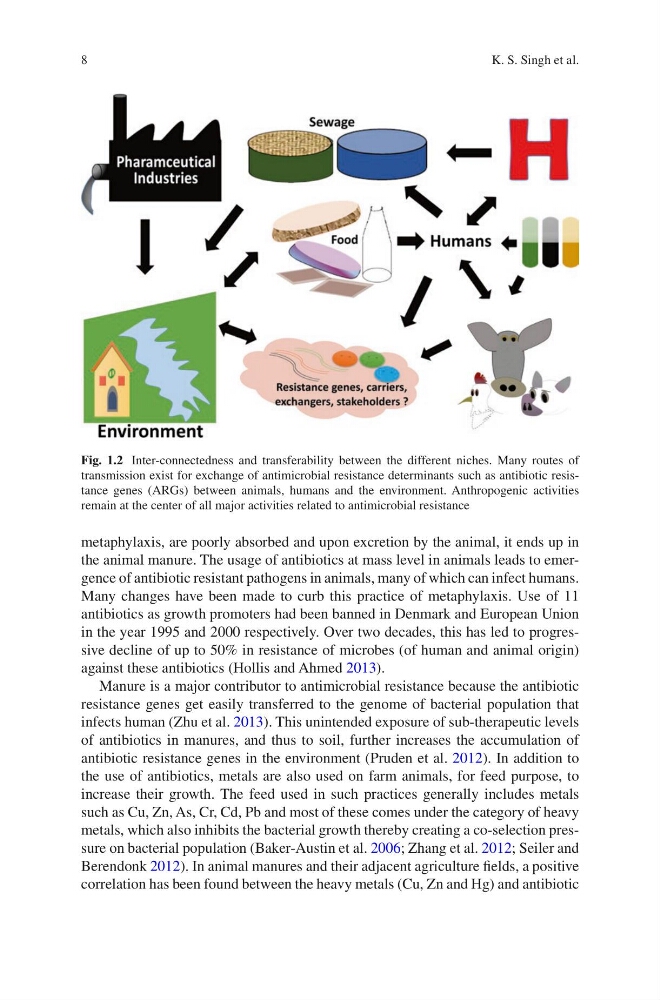
Fig. 1.2 Inter-connectedness and transferability between the different niches. Many routes of
transmission exist for exchange of antimicrobial resistance determinants such as antibiotic resistance genes (ARGs) between animals, humans and the environment. Anthropogenic activities
remain at the center of all major activities related to antimicrobial resistance
K. S. Singh et al.
metaphylaxis, are poorly absorbed and upon excretion by the animal, it ends up in
the animal manure. The usage of antibiotics at mass level in animals leads to emergence of antibiotic resistant pathogens in animals, many of which can infect humans.
Many changes have been made to curb this practice of metaphylaxis. Use of 11
antibiotics as growth promoters had been banned in Denmark and European Union
in the year 1995 and 2000 respectively. Over two decades, this has led to progressive decline of up to 50% in resistance of microbes (of human and animal origin)
against these antibiotics (Hollis and Ahmed 2013).
Manure is a major contributor to antimicrobial resistance because the antibiotic
resistance genes get easily transferred to the genome of bacterial population that
infects human (Zhu et al. 2013). This unintended exposure of sub-therapeutic levels
of antibiotics in manures, and thus to soil, further increases the accumulation of
antibiotic resistance genes in the environment (Pruden et al. 2012). In addition to
the use of antibiotics, metals are also used on farm animals, for feed purpose, to
increase their growth. The feed used in such practices generally includes metals
such as Cu, Zn, As, Cr, Cd, Pb and most of these comes under the category of heavy
metals, which also inhibits the bacterial growth thereby creating a co-selection pressure on bacterial population (Baker-Austin et al. 2006; Zhang et al. 2012; Seiler and
Berendonk 2012). In animal manures and their adjacent agriculture fields, a positive
correlation has been found between the heavy metals (Cu, Zn and Hg) and antibiotic
Fig. 1.2 Inter-connectedness and transferability between the different niches. Many routes of
transmission exist for exchange of antimicrobial resistance determinants such as antibiotic resistance genes (ARGs) between animals, humans and the environment. Anthropogenic activities
remain at the center of all major activities related to antimicrobial resistance
K. S. Singh et al.