

165
acid biosynthesis and prevent biofilm formation in vitro at sub-inhibitory concentrations (Ma et al. 2011; Antoniani et al. 2010) However, simultaneous antibiotic treatment is required in combination with biofilm dispersal for effective elimination of
the liberated planktonic bacterial cells which would limit further spread of infection.
7.5.6 Killing and Combination Strategies
Antibiotics, when used singly, are required at very high concentrations for longer
duration of treatment to kill biofilm associated bacteria compared to planktonic bacteria; although the mode/mechanism of action remains the same. It is important to
note that exposure of bacterial biofilm to sub inhibitory concentrations of antibiotics
leads to the risk of failure to eradicate the biofilm in addition to promotion of antimicrobial resistance and enhancement of biofilm formation. Topical application like
administration by inhalation are found to be effective for antibiotics like colistin,
tobramycin or aztreonam which may lead to chronic suppression of bacterial biofilm, but not eradication of P. aeruginosa biofilm in patients with cystic fibrosis. In
case of treating intravenous catheters associated biofilms, agents like ethanol or
hydrochloric acid are used (Heijerman et al. 2009). Similarly, gallium nitrate
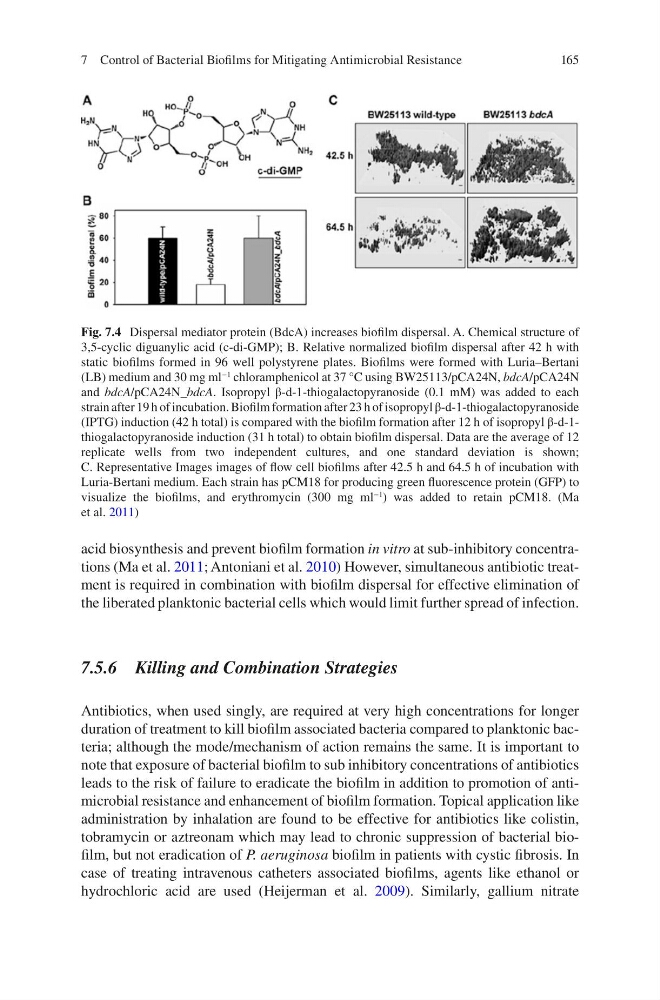
Fig. 7.4 Dispersal mediator protein (BdcA) increases biofilm dispersal. A. Chemical structure of
3,5-cyclic diguanylic acid (c-di-GMP); B. Relative normalized biofilm dispersal after 42 h with
static biofilms formed in 96 well polystyrene plates. Biofilms were formed with Luria–Bertani
(LB) medium and 30 mg ml
−1 chloramphenicol at 37 °C using BW25113/pCA24N, bdcA/pCA24N
and bdcA/pCA24N_bdcA. Isopropyl β-d-1-thiogalactopyranoside (0.1 mM) was added to each
strain after 19 h of incubation. Biofilm formation after 23 h of isopropyl β-d-1-thiogalactopyranoside
(IPTG) induction (42 h total) is compared with the biofilm formation after 12 h of isopropyl β-d-1thiogalactopyranoside induction (31 h total) to obtain biofilm dispersal. Data are the average of 12
replicate wells from two independent cultures, and one standard deviation is shown;
C. Representative Images images of flow cell biofilms after 42.5 h and 64.5 h of incubation with
Luria-Bertani medium. Each strain has pCM18 for producing green fluorescence protein (GFP) to
visualize the biofilms, and erythromycin (300 mg ml
−1
) was added to retain pCM18. (Ma
et al. 2011)
7 Control of Bacterial Biofilms for Mitigating Antimicrobial Resistance
acid biosynthesis and prevent biofilm formation in vitro at sub-inhibitory concentrations (Ma et al. 2011; Antoniani et al. 2010) However, simultaneous antibiotic treatment is required in combination with biofilm dispersal for effective elimination of
the liberated planktonic bacterial cells which would limit further spread of infection.
7.5.6 Killing and Combination Strategies
Antibiotics, when used singly, are required at very high concentrations for longer
duration of treatment to kill biofilm associated bacteria compared to planktonic bacteria; although the mode/mechanism of action remains the same. It is important to
note that exposure of bacterial biofilm to sub inhibitory concentrations of antibiotics
leads to the risk of failure to eradicate the biofilm in addition to promotion of antimicrobial resistance and enhancement of biofilm formation. Topical application like
administration by inhalation are found to be effective for antibiotics like colistin,
tobramycin or aztreonam which may lead to chronic suppression of bacterial biofilm, but not eradication of P. aeruginosa biofilm in patients with cystic fibrosis. In
case of treating intravenous catheters associated biofilms, agents like ethanol or
hydrochloric acid are used (Heijerman et al. 2009). Similarly, gallium nitrate
Fig. 7.4 Dispersal mediator protein (BdcA) increases biofilm dispersal. A. Chemical structure of
3,5-cyclic diguanylic acid (c-di-GMP); B. Relative normalized biofilm dispersal after 42 h with
static biofilms formed in 96 well polystyrene plates. Biofilms were formed with Luria–Bertani
(LB) medium and 30 mg ml
−1 chloramphenicol at 37 °C using BW25113/pCA24N, bdcA/pCA24N
and bdcA/pCA24N_bdcA. Isopropyl β-d-1-thiogalactopyranoside (0.1 mM) was added to each
strain after 19 h of incubation. Biofilm formation after 23 h of isopropyl β-d-1-thiogalactopyranoside
(IPTG) induction (42 h total) is compared with the biofilm formation after 12 h of isopropyl β-d-1thiogalactopyranoside induction (31 h total) to obtain biofilm dispersal. Data are the average of 12
replicate wells from two independent cultures, and one standard deviation is shown;
C. Representative Images images of flow cell biofilms after 42.5 h and 64.5 h of incubation with
Luria-Bertani medium. Each strain has pCM18 for producing green fluorescence protein (GFP) to
visualize the biofilms, and erythromycin (300 mg ml
−1
) was added to retain pCM18. (Ma
et al. 2011)
7 Control of Bacterial Biofilms for Mitigating Antimicrobial Resistance