

to select the most influential parameters for the results. Local sensitivity analysis and
global sensitivity analysis both used in several crop growth models work. For the
purpose of accuracy simulation, the sensitive parameters were recalibrated through
field measurements; this is called crop growth mode localization (Vanuytrecht et al.
2014; Zhao et al. 2014). After the work of data preparation and model localization,
input the driving data and parameters into the model, crop growth variable at a daily
step, and yield will be output.
The crop growth model is a very effective tool for crop growth monitoring and
yield forecasting and predicting possible impacts of climatic change (Thornton et al.
2009). However, the performance of these models for crop growth monitoring and
yield forecasting depends on the accuracy of climate data and the suitable parameters. In practice, meteorological, soil, and crop management data are not easily
available at the regional scale, so crop growth models have better simulated results
at point scale than regional scale (Jégo et al. 2012; Moulin et al. 1998). Therefore,
there is increasing attention in providing better estimates of model state variables and
model parameters using new data sources and technology to improve the model’s
ability to simulate crop growth and yield.
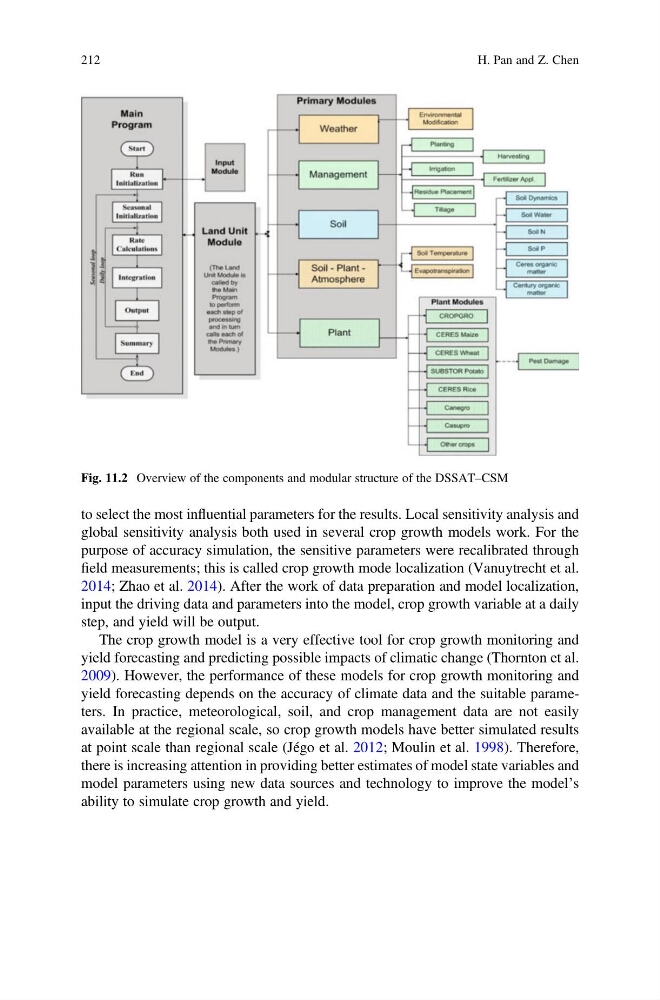
Fig. 11.2 Overview of the components and modular structure of the DSSAT–CSM
212
H. Pan and Z. Chen
global sensitivity analysis both used in several crop growth models work. For the
purpose of accuracy simulation, the sensitive parameters were recalibrated through
field measurements; this is called crop growth mode localization (Vanuytrecht et al.
2014; Zhao et al. 2014). After the work of data preparation and model localization,
input the driving data and parameters into the model, crop growth variable at a daily
step, and yield will be output.
The crop growth model is a very effective tool for crop growth monitoring and
yield forecasting and predicting possible impacts of climatic change (Thornton et al.
2009). However, the performance of these models for crop growth monitoring and
yield forecasting depends on the accuracy of climate data and the suitable parameters. In practice, meteorological, soil, and crop management data are not easily
available at the regional scale, so crop growth models have better simulated results
at point scale than regional scale (Jégo et al. 2012; Moulin et al. 1998). Therefore,
there is increasing attention in providing better estimates of model state variables and
model parameters using new data sources and technology to improve the model’s
ability to simulate crop growth and yield.
Fig. 11.2 Overview of the components and modular structure of the DSSAT–CSM
212
H. Pan and Z. Chen