

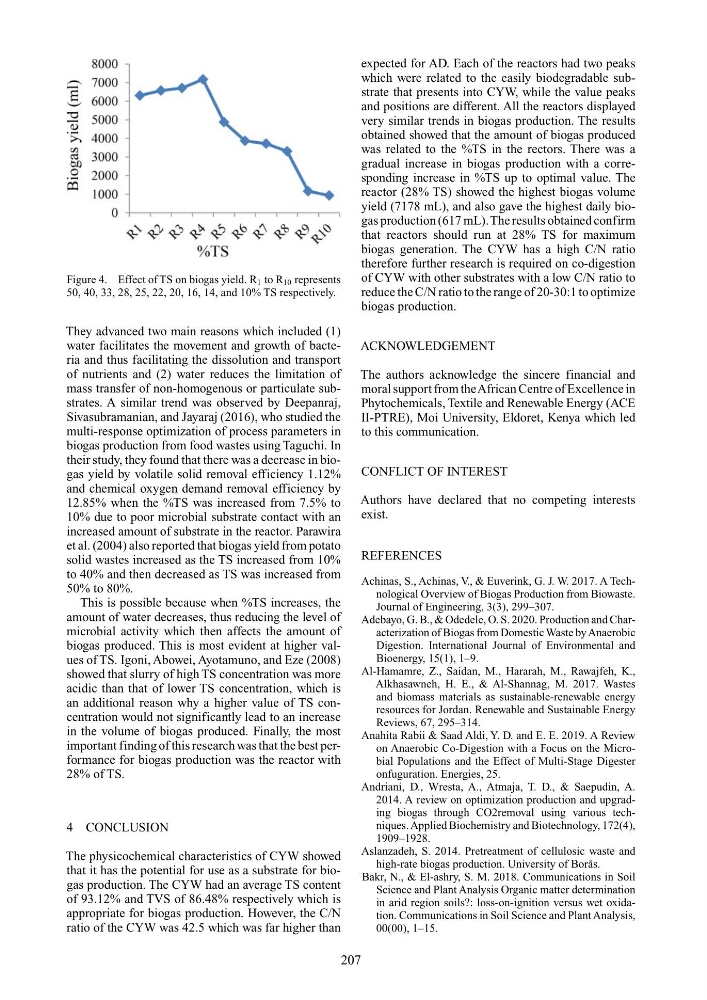
Figure 4. Effect of TS on biogas yield. R 1 to R 10 represents
50, 40, 33, 28, 25, 22, 20, 16, 14, and 10% TS respectively.
They advanced two main reasons which included (1)
water facilitates the movement and growth of bacteria and thus facilitating the dissolution and transport
of nutrients and (2) water reduces the limitation of
mass transfer of non-homogenous or particulate substrates. A similar trend was observed by Deepanraj,
Sivasubramanian, and Jayaraj (2016), who studied the
multi-response optimization of process parameters in
biogas production from food wastes using Taguchi. In
their study, they found that there was a decrease in biogas yield by volatile solid removal efficiency 1.12%
and chemical oxygen demand removal efficiency by
12.85% when the %TS was increased from 7.5% to
10% due to poor microbial substrate contact with an
increased amount of substrate in the reactor. Parawira
et al. (2004) also reported that biogas yield from potato
solid wastes increased as the TS increased from 10%
to 40% and then decreased as TS was increased from
50% to 80%.
This is possible because when %TS increases, the
amount of water decreases, thus reducing the level of
microbial activity which then affects the amount of
biogas produced. This is most evident at higher values of TS. Igoni, Abowei, Ayotamuno, and Eze (2008)
showed that slurry of high TS concentration was more
acidic than that of lower TS concentration, which is
an additional reason why a higher value of TS concentration would not significantly lead to an increase
in the volume of biogas produced. Finally, the most
important finding of this research was that the best performance for biogas production was the reactor with
28% of TS.
4 CONCLUSION
The physicochemical characteristics of CYW showed
that it has the potential for use as a substrate for biogas production. The CYW had an average TS content
of 93.12% and TVS of 86.48% respectively which is
appropriate for biogas production. However, the C/N
ratio of the CYW was 42.5 which was far higher than
expected for AD. Each of the reactors had two peaks
which were related to the easily biodegradable substrate that presents into CYW, while the value peaks
and positions are different. All the reactors displayed
very similar trends in biogas production. The results
obtained showed that the amount of biogas produced
was related to the %TS in the rectors. There was a
gradual increase in biogas production with a corresponding increase in %TS up to optimal value. The
reactor (28% TS) showed the highest biogas volume
yield (7178 mL), and also gave the highest daily biogas production (617 mL). The results obtained confirm
that reactors should run at 28% TS for maximum
biogas generation. The CYW has a high C/N ratio
therefore further research is required on co-digestion
of CYW with other substrates with a low C/N ratio to
reduce the C/N ratio to the range of 20-30:1 to optimize
biogas production.
ACKNOWLEDGEMENT
The authors acknowledge the sincere financial and
moral support from theAfrican Centre of Excellence in
Phytochemicals, Textile and Renewable Energy (ACE
II-PTRE), Moi University, Eldoret, Kenya which led
to this communication.
CONFLICT OF INTEREST
Authors have declared that no competing interests
exist.
REFERENCES
Achinas, S., Achinas, V., & Euverink, G. J. W. 2017. A Technological Overview of Biogas Production from Biowaste.
Journal of Engineering, 3(3), 299–307.
Adebayo, G. B., & Odedele, O. S. 2020. Production and Characterization of Biogas from Domestic Waste by Anaerobic
Digestion. International Journal of Environmental and
Bioenergy, 15(1), 1–9.
Al-Hamamre, Z., Saidan, M., Hararah, M., Rawajfeh, K.,
Alkhasawneh, H. E., & Al-Shannag, M. 2017. Wastes
and biomass materials as sustainable-renewable energy
resources for Jordan. Renewable and Sustainable Energy
Reviews, 67, 295–314.
Anahita Rabii & Saad Aldi, Y. D. and E. E. 2019. A Review
on Anaerobic Co-Digestion with a Focus on the Microbial Populations and the Effect of Multi-Stage Digester
onfuguration. Energies, 25.
Andriani, D., Wresta, A., Atmaja, T. D., & Saepudin, A.
2014. A review on optimization production and upgrading biogas through CO2removal using various techniques. Applied Biochemistry and Biotechnology, 172(4),
1909–1928.
Aslanzadeh, S. 2014. Pretreatment of cellulosic waste and
high-rate biogas production. University of Borås.
Bakr, N., & El-ashry, S. M. 2018. Communications in Soil
Science and Plant Analysis Organic matter determination
in arid region soils?: loss-on-ignition versus wet oxidation. Communications in Soil Science and Plant Analysis,
00(00), 1–15.
207
50, 40, 33, 28, 25, 22, 20, 16, 14, and 10% TS respectively.
They advanced two main reasons which included (1)
water facilitates the movement and growth of bacteria and thus facilitating the dissolution and transport
of nutrients and (2) water reduces the limitation of
mass transfer of non-homogenous or particulate substrates. A similar trend was observed by Deepanraj,
Sivasubramanian, and Jayaraj (2016), who studied the
multi-response optimization of process parameters in
biogas production from food wastes using Taguchi. In
their study, they found that there was a decrease in biogas yield by volatile solid removal efficiency 1.12%
and chemical oxygen demand removal efficiency by
12.85% when the %TS was increased from 7.5% to
10% due to poor microbial substrate contact with an
increased amount of substrate in the reactor. Parawira
et al. (2004) also reported that biogas yield from potato
solid wastes increased as the TS increased from 10%
to 40% and then decreased as TS was increased from
50% to 80%.
This is possible because when %TS increases, the
amount of water decreases, thus reducing the level of
microbial activity which then affects the amount of
biogas produced. This is most evident at higher values of TS. Igoni, Abowei, Ayotamuno, and Eze (2008)
showed that slurry of high TS concentration was more
acidic than that of lower TS concentration, which is
an additional reason why a higher value of TS concentration would not significantly lead to an increase
in the volume of biogas produced. Finally, the most
important finding of this research was that the best performance for biogas production was the reactor with
28% of TS.
4 CONCLUSION
The physicochemical characteristics of CYW showed
that it has the potential for use as a substrate for biogas production. The CYW had an average TS content
of 93.12% and TVS of 86.48% respectively which is
appropriate for biogas production. However, the C/N
ratio of the CYW was 42.5 which was far higher than
expected for AD. Each of the reactors had two peaks
which were related to the easily biodegradable substrate that presents into CYW, while the value peaks
and positions are different. All the reactors displayed
very similar trends in biogas production. The results
obtained showed that the amount of biogas produced
was related to the %TS in the rectors. There was a
gradual increase in biogas production with a corresponding increase in %TS up to optimal value. The
reactor (28% TS) showed the highest biogas volume
yield (7178 mL), and also gave the highest daily biogas production (617 mL). The results obtained confirm
that reactors should run at 28% TS for maximum
biogas generation. The CYW has a high C/N ratio
therefore further research is required on co-digestion
of CYW with other substrates with a low C/N ratio to
reduce the C/N ratio to the range of 20-30:1 to optimize
biogas production.
ACKNOWLEDGEMENT
The authors acknowledge the sincere financial and
moral support from theAfrican Centre of Excellence in
Phytochemicals, Textile and Renewable Energy (ACE
II-PTRE), Moi University, Eldoret, Kenya which led
to this communication.
CONFLICT OF INTEREST
Authors have declared that no competing interests
exist.
REFERENCES
Achinas, S., Achinas, V., & Euverink, G. J. W. 2017. A Technological Overview of Biogas Production from Biowaste.
Journal of Engineering, 3(3), 299–307.
Adebayo, G. B., & Odedele, O. S. 2020. Production and Characterization of Biogas from Domestic Waste by Anaerobic
Digestion. International Journal of Environmental and
Bioenergy, 15(1), 1–9.
Al-Hamamre, Z., Saidan, M., Hararah, M., Rawajfeh, K.,
Alkhasawneh, H. E., & Al-Shannag, M. 2017. Wastes
and biomass materials as sustainable-renewable energy
resources for Jordan. Renewable and Sustainable Energy
Reviews, 67, 295–314.
Anahita Rabii & Saad Aldi, Y. D. and E. E. 2019. A Review
on Anaerobic Co-Digestion with a Focus on the Microbial Populations and the Effect of Multi-Stage Digester
onfuguration. Energies, 25.
Andriani, D., Wresta, A., Atmaja, T. D., & Saepudin, A.
2014. A review on optimization production and upgrading biogas through CO2removal using various techniques. Applied Biochemistry and Biotechnology, 172(4),
1909–1928.
Aslanzadeh, S. 2014. Pretreatment of cellulosic waste and
high-rate biogas production. University of Borås.
Bakr, N., & El-ashry, S. M. 2018. Communications in Soil
Science and Plant Analysis Organic matter determination
in arid region soils?: loss-on-ignition versus wet oxidation. Communications in Soil Science and Plant Analysis,
00(00), 1–15.
207