

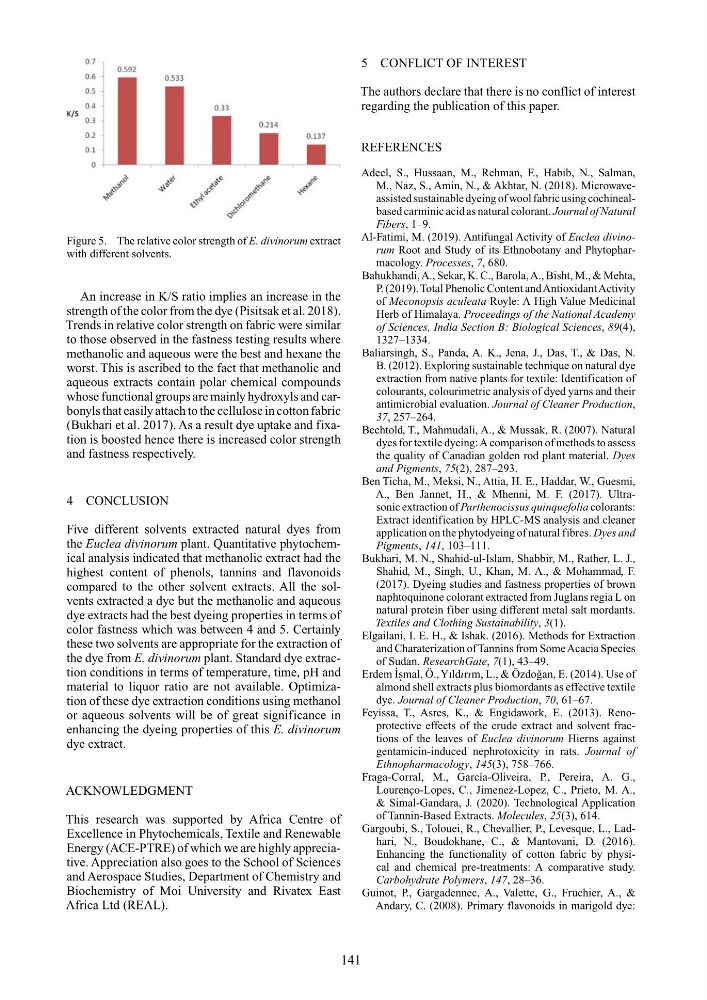
Figure 5. The relative color strength of E. divinorum extract
with different solvents.
An increase in K/S ratio implies an increase in the
strength of the color from the dye (Pisitsak et al. 2018).
Trends in relative color strength on fabric were similar
to those observed in the fastness testing results where
methanolic and aqueous were the best and hexane the
worst. This is ascribed to the fact that methanolic and
aqueous extracts contain polar chemical compounds
whose functional groups are mainly hydroxyls and carbonyls that easily attach to the cellulose in cotton fabric
(Bukhari et al. 2017). As a result dye uptake and fixation is boosted hence there is increased color strength
and fastness respectively.
4 CONCLUSION
Five different solvents extracted natural dyes from
the Euclea divinorum plant. Quantitative phytochemical analysis indicated that methanolic extract had the
highest content of phenols, tannins and flavonoids
compared to the other solvent extracts. All the solvents extracted a dye but the methanolic and aqueous
dye extracts had the best dyeing properties in terms of
color fastness which was between 4 and 5. Certainly
these two solvents are appropriate for the extraction of
the dye from E. divinorum plant. Standard dye extraction conditions in terms of temperature, time, pH and
material to liquor ratio are not available. Optimization of these dye extraction conditions using methanol
or aqueous solvents will be of great significance in
enhancing the dyeing properties of this E. divinorum
dye extract.
ACKNOWLEDGMENT
This research was supported by Africa Centre of
Excellence in Phytochemicals, Textile and Renewable
Energy (ACE-PTRE) of which we are highly appreciative. Appreciation also goes to the School of Sciences
and Aerospace Studies, Department of Chemistry and
Biochemistry of Moi University and Rivatex East
Africa Ltd (REAL).
5 CONFLICT OF INTEREST
The authors declare that there is no conflict of interest
regarding the publication of this paper.
REFERENCES
Adeel, S., Hussaan, M., Rehman, F., Habib, N., Salman,
M., Naz, S., Amin, N., & Akhtar, N. (2018). Microwaveassisted sustainable dyeing of wool fabric using cochinealbased carminic acid as natural colorant. Journal of Natural
Fibers, 1–9.
Al-Fatimi, M. (2019). Antifungal Activity of Euclea divinorum Root and Study of its Ethnobotany and Phytopharmacology. Processes, 7, 680.
Bahukhandi, A., Sekar, K. C., Barola, A., Bisht, M., & Mehta,
P. (2019). Total Phenolic Content and Antioxidant Activity
of Meconopsis aculeata Royle: A High Value Medicinal
Herb of Himalaya. Proceedings of the National Academy
of Sciences, India Section B: Biological Sciences, 89(4),
1327–1334.
Baliarsingh, S., Panda, A. K., Jena, J., Das, T., & Das, N.
B. (2012). Exploring sustainable technique on natural dye
extraction from native plants for textile: Identification of
colourants, colourimetric analysis of dyed yarns and their
antimicrobial evaluation. Journal of Cleaner Production,
37, 257–264.
Bechtold, T., Mahmudali, A., & Mussak, R. (2007). Natural
dyes for textile dyeing: A comparison of methods to assess
the quality of Canadian golden rod plant material. Dyes
and Pigments, 75(2), 287–293.
Ben Ticha, M., Meksi, N., Attia, H. E., Haddar, W., Guesmi,
A., Ben Jannet, H., & Mhenni, M. F. (2017). Ultrasonic extraction of Parthenocissus quinquefolia colorants:
Extract identification by HPLC-MS analysis and cleaner
application on the phytodyeing of natural fibres. Dyes and
Pigments, 141, 103–111.
Bukhari, M. N., Shahid-ul-Islam, Shabbir, M., Rather, L. J.,
Shahid, M., Singh, U., Khan, M. A., & Mohammad, F.
(2017). Dyeing studies and fastness properties of brown
naphtoquinone colorant extracted from Juglans regia L on
natural protein fiber using different metal salt mordants.
Textiles and Clothing Sustainability, 3(1).
Elgailani, I. E. H., & Ishak. (2016). Methods for Extraction
and Charaterization of Tannins from Some Acacia Species
of Sudan. ResearchGate, 7(1), 43–49.
Erdem ˙
Is ˛mal, Ö., Yıldırım, L., & Özdo˘ gan, E. (2014). Use of
almond shell extracts plus biomordants as effective textile
dye. Journal of Cleaner Production, 70, 61–67.
Feyissa, T., Asres, K., & Engidawork, E. (2013). Renoprotective effects of the crude extract and solvent fractions of the leaves of Euclea divinorum Hierns against
gentamicin-induced nephrotoxicity in rats. Journal of
Ethnopharmacology, 145(3), 758–766.
Fraga-Corral, M., García-Oliveira, P., Pereira, A. G.,
Lourenço-Lopes, C., Jimenez-Lopez, C., Prieto, M. A.,
& Simal-Gandara, J. (2020). Technological Application
of Tannin-Based Extracts. Molecules, 25(3), 614.
Gargoubi, S., Tolouei, R., Chevallier, P., Levesque, L., Ladhari, N., Boudokhane, C., & Mantovani, D. (2016).
Enhancing the functionality of cotton fabric by physical and chemical pre-treatments: A comparative study.
Carbohydrate Polymers, 147, 28–36.
Guinot, P., Gargadennec, A., Valette, G., Fruchier, A., &
Andary, C. (2008). Primary flavonoids in marigold dye:
141
with different solvents.
An increase in K/S ratio implies an increase in the
strength of the color from the dye (Pisitsak et al. 2018).
Trends in relative color strength on fabric were similar
to those observed in the fastness testing results where
methanolic and aqueous were the best and hexane the
worst. This is ascribed to the fact that methanolic and
aqueous extracts contain polar chemical compounds
whose functional groups are mainly hydroxyls and carbonyls that easily attach to the cellulose in cotton fabric
(Bukhari et al. 2017). As a result dye uptake and fixation is boosted hence there is increased color strength
and fastness respectively.
4 CONCLUSION
Five different solvents extracted natural dyes from
the Euclea divinorum plant. Quantitative phytochemical analysis indicated that methanolic extract had the
highest content of phenols, tannins and flavonoids
compared to the other solvent extracts. All the solvents extracted a dye but the methanolic and aqueous
dye extracts had the best dyeing properties in terms of
color fastness which was between 4 and 5. Certainly
these two solvents are appropriate for the extraction of
the dye from E. divinorum plant. Standard dye extraction conditions in terms of temperature, time, pH and
material to liquor ratio are not available. Optimization of these dye extraction conditions using methanol
or aqueous solvents will be of great significance in
enhancing the dyeing properties of this E. divinorum
dye extract.
ACKNOWLEDGMENT
This research was supported by Africa Centre of
Excellence in Phytochemicals, Textile and Renewable
Energy (ACE-PTRE) of which we are highly appreciative. Appreciation also goes to the School of Sciences
and Aerospace Studies, Department of Chemistry and
Biochemistry of Moi University and Rivatex East
Africa Ltd (REAL).
5 CONFLICT OF INTEREST
The authors declare that there is no conflict of interest
regarding the publication of this paper.
REFERENCES
Adeel, S., Hussaan, M., Rehman, F., Habib, N., Salman,
M., Naz, S., Amin, N., & Akhtar, N. (2018). Microwaveassisted sustainable dyeing of wool fabric using cochinealbased carminic acid as natural colorant. Journal of Natural
Fibers, 1–9.
Al-Fatimi, M. (2019). Antifungal Activity of Euclea divinorum Root and Study of its Ethnobotany and Phytopharmacology. Processes, 7, 680.
Bahukhandi, A., Sekar, K. C., Barola, A., Bisht, M., & Mehta,
P. (2019). Total Phenolic Content and Antioxidant Activity
of Meconopsis aculeata Royle: A High Value Medicinal
Herb of Himalaya. Proceedings of the National Academy
of Sciences, India Section B: Biological Sciences, 89(4),
1327–1334.
Baliarsingh, S., Panda, A. K., Jena, J., Das, T., & Das, N.
B. (2012). Exploring sustainable technique on natural dye
extraction from native plants for textile: Identification of
colourants, colourimetric analysis of dyed yarns and their
antimicrobial evaluation. Journal of Cleaner Production,
37, 257–264.
Bechtold, T., Mahmudali, A., & Mussak, R. (2007). Natural
dyes for textile dyeing: A comparison of methods to assess
the quality of Canadian golden rod plant material. Dyes
and Pigments, 75(2), 287–293.
Ben Ticha, M., Meksi, N., Attia, H. E., Haddar, W., Guesmi,
A., Ben Jannet, H., & Mhenni, M. F. (2017). Ultrasonic extraction of Parthenocissus quinquefolia colorants:
Extract identification by HPLC-MS analysis and cleaner
application on the phytodyeing of natural fibres. Dyes and
Pigments, 141, 103–111.
Bukhari, M. N., Shahid-ul-Islam, Shabbir, M., Rather, L. J.,
Shahid, M., Singh, U., Khan, M. A., & Mohammad, F.
(2017). Dyeing studies and fastness properties of brown
naphtoquinone colorant extracted from Juglans regia L on
natural protein fiber using different metal salt mordants.
Textiles and Clothing Sustainability, 3(1).
Elgailani, I. E. H., & Ishak. (2016). Methods for Extraction
and Charaterization of Tannins from Some Acacia Species
of Sudan. ResearchGate, 7(1), 43–49.
Erdem ˙
Is ˛mal, Ö., Yıldırım, L., & Özdo˘ gan, E. (2014). Use of
almond shell extracts plus biomordants as effective textile
dye. Journal of Cleaner Production, 70, 61–67.
Feyissa, T., Asres, K., & Engidawork, E. (2013). Renoprotective effects of the crude extract and solvent fractions of the leaves of Euclea divinorum Hierns against
gentamicin-induced nephrotoxicity in rats. Journal of
Ethnopharmacology, 145(3), 758–766.
Fraga-Corral, M., García-Oliveira, P., Pereira, A. G.,
Lourenço-Lopes, C., Jimenez-Lopez, C., Prieto, M. A.,
& Simal-Gandara, J. (2020). Technological Application
of Tannin-Based Extracts. Molecules, 25(3), 614.
Gargoubi, S., Tolouei, R., Chevallier, P., Levesque, L., Ladhari, N., Boudokhane, C., & Mantovani, D. (2016).
Enhancing the functionality of cotton fabric by physical and chemical pre-treatments: A comparative study.
Carbohydrate Polymers, 147, 28–36.
Guinot, P., Gargadennec, A., Valette, G., Fruchier, A., &
Andary, C. (2008). Primary flavonoids in marigold dye:
141