

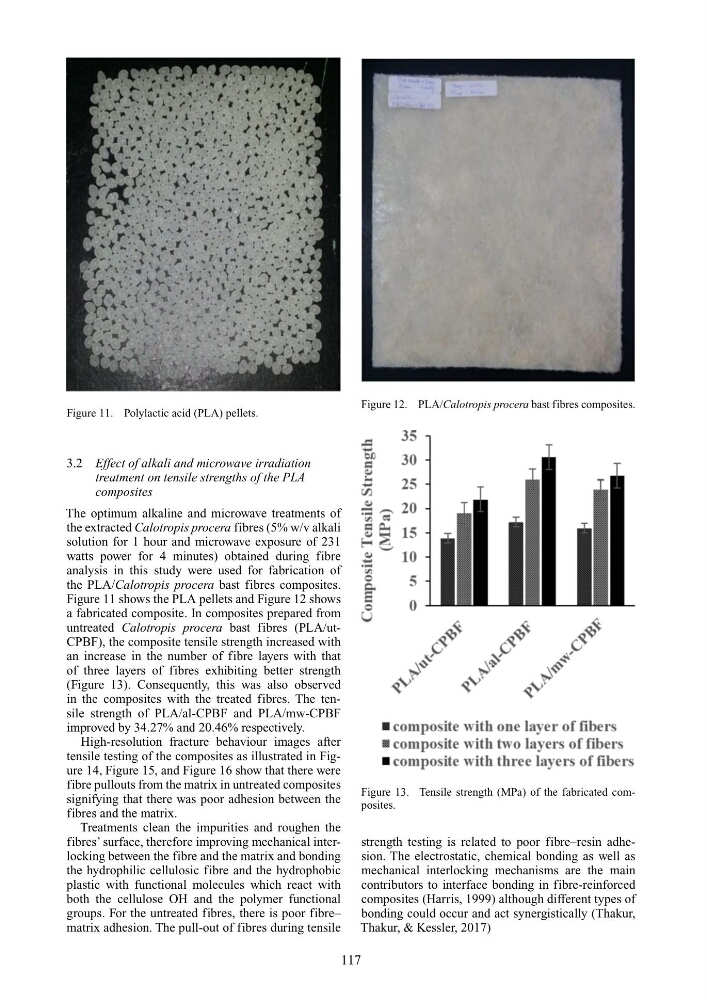
Figure 11. Polylactic acid (PLA) pellets.
3.2 Effect of alkali and microwave irradiation
treatment on tensile strengths of the PLA
composites
The optimum alkaline and microwave treatments of
the extracted Calotropis procera fibres (5% w/v alkali
solution for 1 hour and microwave exposure of 231
watts power for 4 minutes) obtained during fibre
analysis in this study were used for fabrication of
the PLA/Calotropis procera bast fibres composites.
Figure 11 shows the PLA pellets and Figure 12 shows
a fabricated composite. In composites prepared from
untreated Calotropis procera bast fibres (PLA/utCPBF), the composite tensile strength increased with
an increase in the number of fibre layers with that
of three layers of fibres exhibiting better strength
(Figure 13). Consequently, this was also observed
in the composites with the treated fibres. The tensile strength of PLA/al-CPBF and PLA/mw-CPBF
improved by 34.27% and 20.46% respectively.
High-resolution fracture behaviour images after
tensile testing of the composites as illustrated in Figure 14, Figure 15, and Figure 16 show that there were
fibre pullouts from the matrix in untreated composites
signifying that there was poor adhesion between the
fibres and the matrix.
Treatments clean the impurities and roughen the
fibres’ surface, therefore improving mechanical interlocking between the fibre and the matrix and bonding
the hydrophilic cellulosic fibre and the hydrophobic
plastic with functional molecules which react with
both the cellulose OH and the polymer functional
groups. For the untreated fibres, there is poor fibre–
matrix adhesion. The pull-out of fibres during tensile
Figure 12. PLA/Calotropis procera bast fibres composites.
Figure 13. Tensile strength (MPa) of the fabricated composites.
strength testing is related to poor fibre–resin adhesion. The electrostatic, chemical bonding as well as
mechanical interlocking mechanisms are the main
contributors to interface bonding in fibre-reinforced
composites (Harris, 1999) although different types of
bonding could occur and act synergistically (Thakur,
Thakur, & Kessler, 2017)
117
3.2 Effect of alkali and microwave irradiation
treatment on tensile strengths of the PLA
composites
The optimum alkaline and microwave treatments of
the extracted Calotropis procera fibres (5% w/v alkali
solution for 1 hour and microwave exposure of 231
watts power for 4 minutes) obtained during fibre
analysis in this study were used for fabrication of
the PLA/Calotropis procera bast fibres composites.
Figure 11 shows the PLA pellets and Figure 12 shows
a fabricated composite. In composites prepared from
untreated Calotropis procera bast fibres (PLA/utCPBF), the composite tensile strength increased with
an increase in the number of fibre layers with that
of three layers of fibres exhibiting better strength
(Figure 13). Consequently, this was also observed
in the composites with the treated fibres. The tensile strength of PLA/al-CPBF and PLA/mw-CPBF
improved by 34.27% and 20.46% respectively.
High-resolution fracture behaviour images after
tensile testing of the composites as illustrated in Figure 14, Figure 15, and Figure 16 show that there were
fibre pullouts from the matrix in untreated composites
signifying that there was poor adhesion between the
fibres and the matrix.
Treatments clean the impurities and roughen the
fibres’ surface, therefore improving mechanical interlocking between the fibre and the matrix and bonding
the hydrophilic cellulosic fibre and the hydrophobic
plastic with functional molecules which react with
both the cellulose OH and the polymer functional
groups. For the untreated fibres, there is poor fibre–
matrix adhesion. The pull-out of fibres during tensile
Figure 12. PLA/Calotropis procera bast fibres composites.
Figure 13. Tensile strength (MPa) of the fabricated composites.
strength testing is related to poor fibre–resin adhesion. The electrostatic, chemical bonding as well as
mechanical interlocking mechanisms are the main
contributors to interface bonding in fibre-reinforced
composites (Harris, 1999) although different types of
bonding could occur and act synergistically (Thakur,
Thakur, & Kessler, 2017)
117