

289
A Dynamic Role for Water in Agriculture
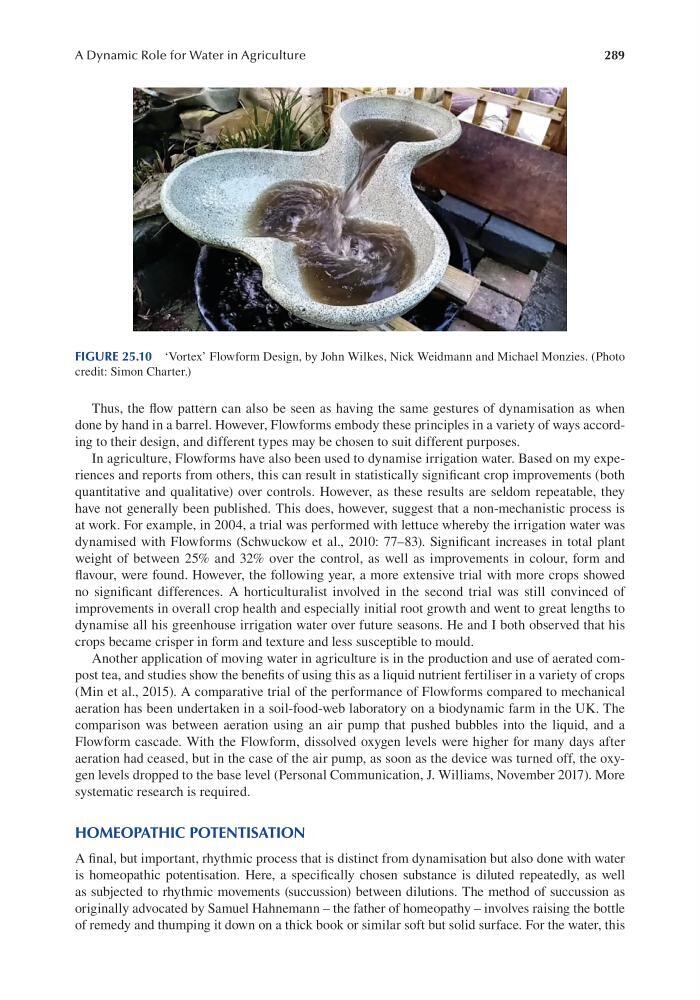
FIGURE 25.10 ‘Vortex’ Flowform Design, by John Wilkes, Nick Weidmann and Michael Monzies. (Photo
credit: Simon Charter.)
Thus, the fow pattern can also be seen as having the same gestures of dynamisation as when
done by hand in a barrel. However, Flowforms embody these principles in a variety of ways according to their design, and different types may be chosen to suit different purposes.
In agriculture, Flowforms have also been used to dynamise irrigation water. Based on my experiences and reports from others, this can result in statistically signifcant crop improvements (both
quantitative and qualitative) over controls. However, as these results are seldom repeatable, they
have not generally been published. This does, however, suggest that a non-mechanistic process is
at work. For example, in 2004, a trial was performed with lettuce whereby the irrigation water was
dynamised with Flowforms (Schwuckow et al., 2010: 77–83). Signifcant increases in total plant
weight of between 25% and 32% over the control, as well as improvements in colour, form and
favour, were found. However, the following year, a more extensive trial with more crops showed
no signifcant differences. A horticulturalist involved in the second trial was still convinced of
improvements in overall crop health and especially initial root growth and went to great lengths to
dynamise all his greenhouse irrigation water over future seasons. He and I both observed that his
crops became crisper in form and texture and less susceptible to mould.
Another application of moving water in agriculture is in the production and use of aerated compost tea, and studies show the benefts of using this as a liquid nutrient fertiliser in a variety of crops
(Min et al., 2015). A comparative trial of the performance of Flowforms compared to mechanical
aeration has been undertaken in a soil-food-web laboratory on a biodynamic farm in the UK. The
comparison was between aeration using an air pump that pushed bubbles into the liquid, and a
Flowform cascade. With the Flowform, dissolved oxygen levels were higher for many days after
aeration had ceased, but in the case of the air pump, as soon as the device was turned off, the oxygen levels dropped to the base level (Personal Communication, J. Williams, November 2017). More
systematic research is required.
HOMEOPATHIC POTENTISATION
A fnal, but important, rhythmic process that is distinct from dynamisation but also done with water
is homeopathic potentisation. Here, a specifcally chosen substance is diluted repeatedly, as well
as subjected to rhythmic movements (succussion) between dilutions. The method of succussion as
originally advocated by Samuel Hahnemann – the father of homeopathy – involves raising the bottle
of remedy and thumping it down on a thick book or similar soft but solid surface. For the water, this