

glucose, efflux pumps are able to transport EtBr out and so fluorescence decreases quickly with time; and (2) in the presence of an
efflux inhibitor (such as TZ or VP), efflux is abolished and there is
no decrease in fluorescence.
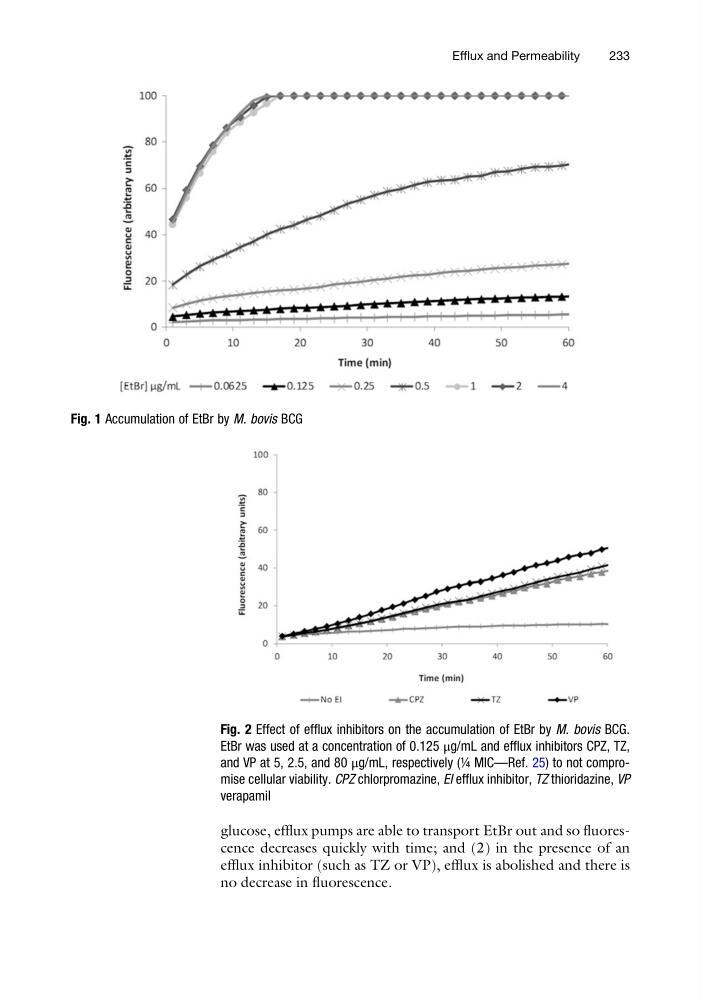
Fig. 1 Accumulation of EtBr by M. bovis BCG
Fig. 2 Effect of efflux inhibitors on the accumulation of EtBr by M. bovis BCG.
EtBr was used at a concentration of 0.125 μg/mL and efflux inhibitors CPZ, TZ,
and VP at 5, 2.5, and 80 μg/mL, respectively (¼ MIC—Ref. 25) to not compromise cellular viability. CPZ chlorpromazine, EI efflux inhibitor, TZ thioridazine, VP
verapamil
Efflux and Permeability
233
efflux inhibitor (such as TZ or VP), efflux is abolished and there is
no decrease in fluorescence.
Fig. 1 Accumulation of EtBr by M. bovis BCG
Fig. 2 Effect of efflux inhibitors on the accumulation of EtBr by M. bovis BCG.
EtBr was used at a concentration of 0.125 μg/mL and efflux inhibitors CPZ, TZ,
and VP at 5, 2.5, and 80 μg/mL, respectively (¼ MIC—Ref. 25) to not compromise cellular viability. CPZ chlorpromazine, EI efflux inhibitor, TZ thioridazine, VP
verapamil
Efflux and Permeability
233