

Processes 2018, 6,56
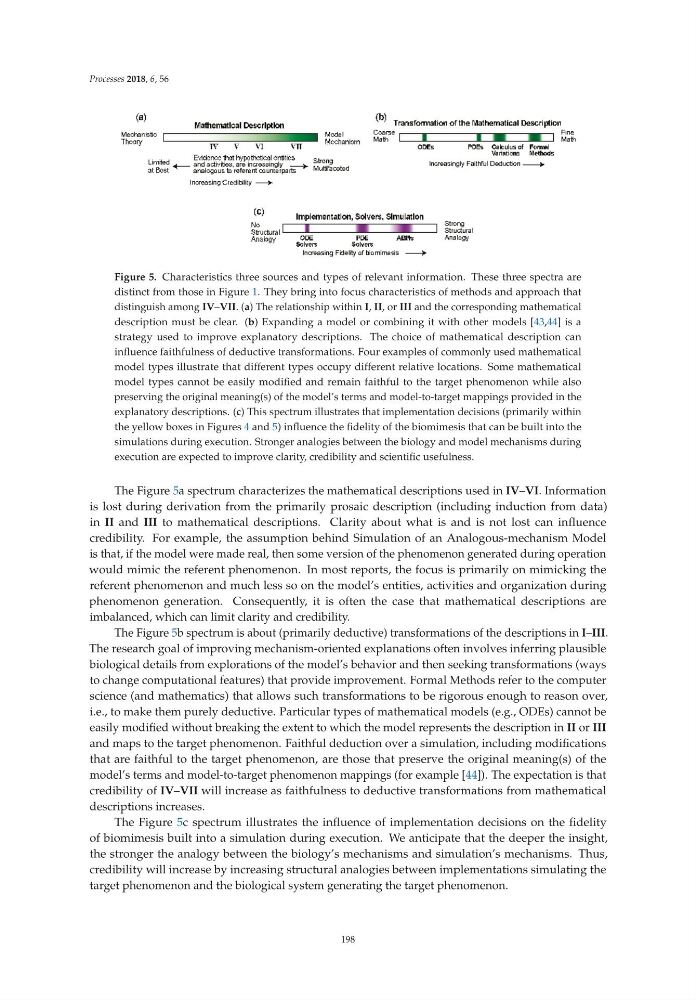
Figure 5. Characteristics three sources and types of relevant information. These three spectra are
distinct from those in Figure 1. They bring into focus characteristics of methods and approach that
distinguish among IV–VII.(a) The relationship within I, II,orIII and the corresponding mathematical
description must be clear. (b) Expanding a model or combining it with other models [43,44]i sa
strategy used to improve explanatory descriptions. The choice of mathematical description can
influence faithfulness of deductive transformations. Four examples of commonly used mathematical
model types illustrate that different types occupy different relative locations. Some mathematical
model types cannot be easily modified and remain faithful to the target phenomenon while also
preserving the original meaning(s) of the model’s terms and model-to-target mappings provided in the
explanatory descriptions. (c) This spectrum illustrates that implementation decisions (primarily within
the yellow boxes in Figures 4 and 5) influence the fidelity of the biomimesis that can be built into the
simulations during execution. Stronger analogies between the biology and model mechanisms during
execution are expected to improve clarity, credibility and scientific usefulness.
The Figure 5a spectrum characterizes the mathematical descriptions used in IV–VI. Information
is lost during derivation from the primarily prosaic description (including induction from data)
in II and III to mathematical descriptions. Clarity about what is and is not lost can influence
credibility. For example, the assumption behind Simulation of an Analogous-mechanism Model
is that, if the model were made real, then some version of the phenomenon generated during operation
would mimic the referent phenomenon. In most reports, the focus is primarily on mimicking the
referent phenomenon and much less so on the model’s entities, activities and organization during
phenomenon generation. Consequently, it is often the case that mathematical descriptions are
imbalanced, which can limit clarity and credibility.
The Figure 5b spectrum is about (primarily deductive) transformations of the descriptions in I–III.
The research goal of improving mechanism-oriented explanations often involves inferring plausible
biological details from explorations of the model’s behavior and then seeking transformations (ways
to change computational features) that provide improvement. Formal Methods refer to the computer
science (and mathematics) that allows such transformations to be rigorous enough to reason over,
i.e., to make them purely deductive. Particular types of mathematical models (e.g., ODEs) cannot be
easily modified without breaking the extent to which the model represents the description in II or III
and maps to the target phenomenon. Faithful deduction over a simulation, including modifications
that are faithful to the target phenomenon, are those that preserve the original meaning(s) of the
model’s terms and model-to-target phenomenon mappings (for example [44]). The expectation is that
credibility of IV–VII will increase as faithfulness to deductive transformations from mathematical
descriptions increases.
The Figure 5c spectrum illustrates the influence of implementation decisions on the fidelity
of biomimesis built into a simulation during execution. We anticipate that the deeper the insight,
the stronger the analogy between the biology’s mechanisms and simulation’s mechanisms. Thus,
credibility will increase by increasing structural analogies between implementations simulating the
target phenomenon and the biological system generating the target phenomenon.
198
Figure 5. Characteristics three sources and types of relevant information. These three spectra are
distinct from those in Figure 1. They bring into focus characteristics of methods and approach that
distinguish among IV–VII.(a) The relationship within I, II,orIII and the corresponding mathematical
description must be clear. (b) Expanding a model or combining it with other models [43,44]i sa
strategy used to improve explanatory descriptions. The choice of mathematical description can
influence faithfulness of deductive transformations. Four examples of commonly used mathematical
model types illustrate that different types occupy different relative locations. Some mathematical
model types cannot be easily modified and remain faithful to the target phenomenon while also
preserving the original meaning(s) of the model’s terms and model-to-target mappings provided in the
explanatory descriptions. (c) This spectrum illustrates that implementation decisions (primarily within
the yellow boxes in Figures 4 and 5) influence the fidelity of the biomimesis that can be built into the
simulations during execution. Stronger analogies between the biology and model mechanisms during
execution are expected to improve clarity, credibility and scientific usefulness.
The Figure 5a spectrum characterizes the mathematical descriptions used in IV–VI. Information
is lost during derivation from the primarily prosaic description (including induction from data)
in II and III to mathematical descriptions. Clarity about what is and is not lost can influence
credibility. For example, the assumption behind Simulation of an Analogous-mechanism Model
is that, if the model were made real, then some version of the phenomenon generated during operation
would mimic the referent phenomenon. In most reports, the focus is primarily on mimicking the
referent phenomenon and much less so on the model’s entities, activities and organization during
phenomenon generation. Consequently, it is often the case that mathematical descriptions are
imbalanced, which can limit clarity and credibility.
The Figure 5b spectrum is about (primarily deductive) transformations of the descriptions in I–III.
The research goal of improving mechanism-oriented explanations often involves inferring plausible
biological details from explorations of the model’s behavior and then seeking transformations (ways
to change computational features) that provide improvement. Formal Methods refer to the computer
science (and mathematics) that allows such transformations to be rigorous enough to reason over,
i.e., to make them purely deductive. Particular types of mathematical models (e.g., ODEs) cannot be
easily modified without breaking the extent to which the model represents the description in II or III
and maps to the target phenomenon. Faithful deduction over a simulation, including modifications
that are faithful to the target phenomenon, are those that preserve the original meaning(s) of the
model’s terms and model-to-target phenomenon mappings (for example [44]). The expectation is that
credibility of IV–VII will increase as faithfulness to deductive transformations from mathematical
descriptions increases.
The Figure 5c spectrum illustrates the influence of implementation decisions on the fidelity
of biomimesis built into a simulation during execution. We anticipate that the deeper the insight,
the stronger the analogy between the biology’s mechanisms and simulation’s mechanisms. Thus,
credibility will increase by increasing structural analogies between implementations simulating the
target phenomenon and the biological system generating the target phenomenon.
198