

Processes 2018, 6,42
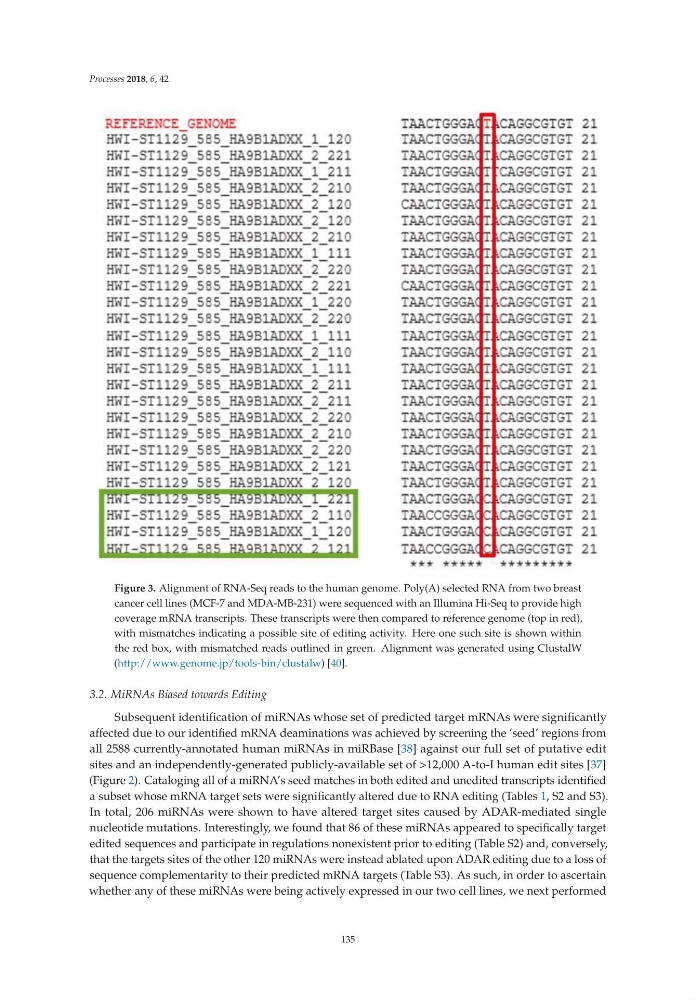
Figure 3. Alignment of RNA-Seq reads to the human genome. Poly(A) selected RNA from two breast
cancer cell lines (MCF-7 and MDA-MB-231) were sequenced with an Illumina Hi-Seq to provide high
coverage mRNA transcripts. These transcripts were then compared to reference genome (top in red),
with mismatches indicating a possible site of editing activity. Here one such site is shown within
the red box, with mismatched reads outlined in green. Alignment was generated using ClustalW
(http://www.genome.jp/tools-bin/clustalw)[40].
3.2. MiRNAs Biased towards Editing
Subsequent identification of miRNAs whose set of predicted target mRNAs were significantly
affected due to our identified mRNA deaminations was achieved by screening the ‘seed’ regions from
all 2588 currently-annotated human miRNAs in miRBase [38] against our full set of putative edit
sites and an independently-generated publicly-available set of >12,000 A-to-I human edit sites [37]
(Figure 2). Cataloging all of a miRNA’s seed matches in both edited and unedited transcripts identified
a subset whose mRNA target sets were significantly altered due to RNA editing (Tables 1, S2 and S3).
In total, 206 miRNAs were shown to have altered target sites caused by ADAR-mediated single
nucleotide mutations. Interestingly, we found that 86 of these miRNAs appeared to specifically target
edited sequences and participate in regulations nonexistent prior to editing (Table S2) and, conversely,
that the targets sites of the other 120 miRNAs were instead ablated upon ADAR editing due to a loss of
sequence complementarity to their predicted mRNA targets (Table S3). As such, in order to ascertain
whether any of these miRNAs were being actively expressed in our two cell lines, we next performed
135
Figure 3. Alignment of RNA-Seq reads to the human genome. Poly(A) selected RNA from two breast
cancer cell lines (MCF-7 and MDA-MB-231) were sequenced with an Illumina Hi-Seq to provide high
coverage mRNA transcripts. These transcripts were then compared to reference genome (top in red),
with mismatches indicating a possible site of editing activity. Here one such site is shown within
the red box, with mismatched reads outlined in green. Alignment was generated using ClustalW
(http://www.genome.jp/tools-bin/clustalw)[40].
3.2. MiRNAs Biased towards Editing
Subsequent identification of miRNAs whose set of predicted target mRNAs were significantly
affected due to our identified mRNA deaminations was achieved by screening the ‘seed’ regions from
all 2588 currently-annotated human miRNAs in miRBase [38] against our full set of putative edit
sites and an independently-generated publicly-available set of >12,000 A-to-I human edit sites [37]
(Figure 2). Cataloging all of a miRNA’s seed matches in both edited and unedited transcripts identified
a subset whose mRNA target sets were significantly altered due to RNA editing (Tables 1, S2 and S3).
In total, 206 miRNAs were shown to have altered target sites caused by ADAR-mediated single
nucleotide mutations. Interestingly, we found that 86 of these miRNAs appeared to specifically target
edited sequences and participate in regulations nonexistent prior to editing (Table S2) and, conversely,
that the targets sites of the other 120 miRNAs were instead ablated upon ADAR editing due to a loss of
sequence complementarity to their predicted mRNA targets (Table S3). As such, in order to ascertain
whether any of these miRNAs were being actively expressed in our two cell lines, we next performed
135