

20
Umair et al.
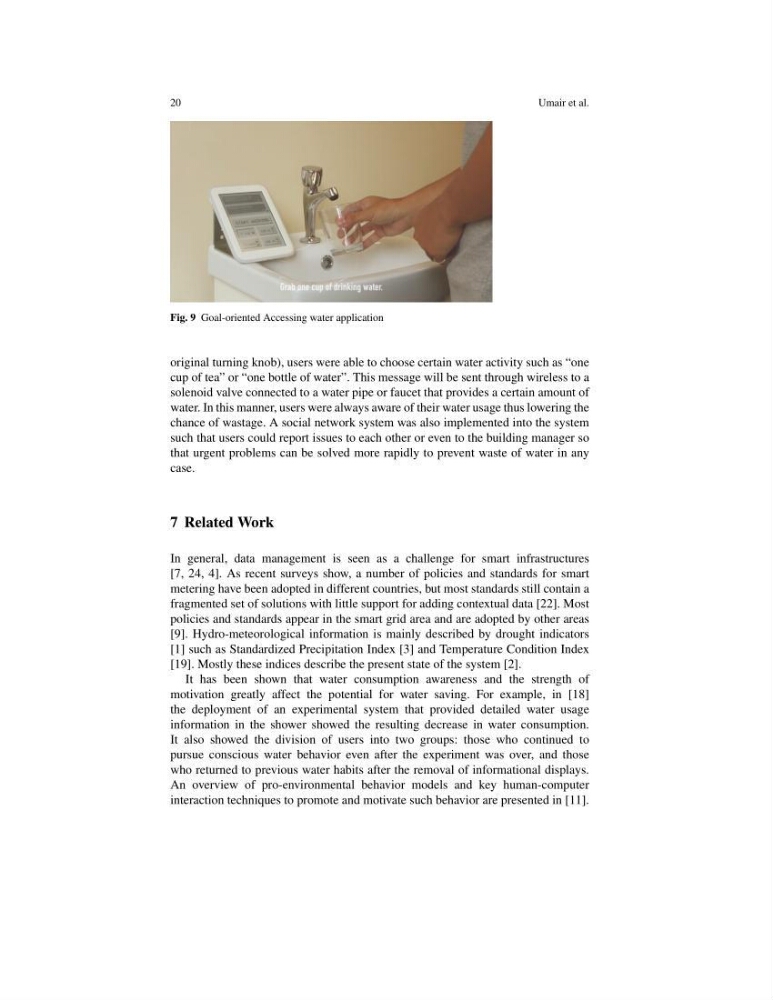
Fig. 9 Goal-oriented Accessing water application
original turning knob), users were able to choose certain water activity such as “one
cup of tea” or “one bottle of water”. This message will be sent through wireless to a
solenoid valve connected to a water pipe or faucet that provides a certain amount of
water. In this manner, users were always aware of their water usage thus lowering the
chance of wastage. A social network system was also implemented into the system
such that users could report issues to each other or even to the building manager so
that urgent problems can be solved more rapidly to prevent waste of water in any
case.
7 Related Work
In general, data management is seen as a challenge for smart infrastructures
[7, 24, 4]. As recent surveys show, a number of policies and standards for smart
metering have been adopted in different countries, but most standards still contain a
fragmented set of solutions with little support for adding contextual data [22]. Most
policies and standards appear in the smart grid area and are adopted by other areas
[9]. Hydro-meteorological information is mainly described by drought indicators
[1] such as Standardized Precipitation Index [3] and Temperature Condition Index
[19]. Mostly these indices describe the present state of the system [2].
It has been shown that water consumption awareness and the strength of
motivation greatly affect the potential for water saving. For example, in [18]
the deployment of an experimental system that provided detailed water usage
information in the shower showed the resulting decrease in water consumption.
It also showed the division of users into two groups: those who continued to
pursue conscious water behavior even after the experiment was over, and those
who returned to previous water habits after the removal of informational displays.
An overview of pro-environmental behavior models and key human-computer
interaction techniques to promote and motivate such behavior are presented in [11].
Umair et al.
Fig. 9 Goal-oriented Accessing water application
original turning knob), users were able to choose certain water activity such as “one
cup of tea” or “one bottle of water”. This message will be sent through wireless to a
solenoid valve connected to a water pipe or faucet that provides a certain amount of
water. In this manner, users were always aware of their water usage thus lowering the
chance of wastage. A social network system was also implemented into the system
such that users could report issues to each other or even to the building manager so
that urgent problems can be solved more rapidly to prevent waste of water in any
case.
7 Related Work
In general, data management is seen as a challenge for smart infrastructures
[7, 24, 4]. As recent surveys show, a number of policies and standards for smart
metering have been adopted in different countries, but most standards still contain a
fragmented set of solutions with little support for adding contextual data [22]. Most
policies and standards appear in the smart grid area and are adopted by other areas
[9]. Hydro-meteorological information is mainly described by drought indicators
[1] such as Standardized Precipitation Index [3] and Temperature Condition Index
[19]. Mostly these indices describe the present state of the system [2].
It has been shown that water consumption awareness and the strength of
motivation greatly affect the potential for water saving. For example, in [18]
the deployment of an experimental system that provided detailed water usage
information in the shower showed the resulting decrease in water consumption.
It also showed the division of users into two groups: those who continued to
pursue conscious water behavior even after the experiment was over, and those
who returned to previous water habits after the removal of informational displays.
An overview of pro-environmental behavior models and key human-computer
interaction techniques to promote and motivate such behavior are presented in [11].