

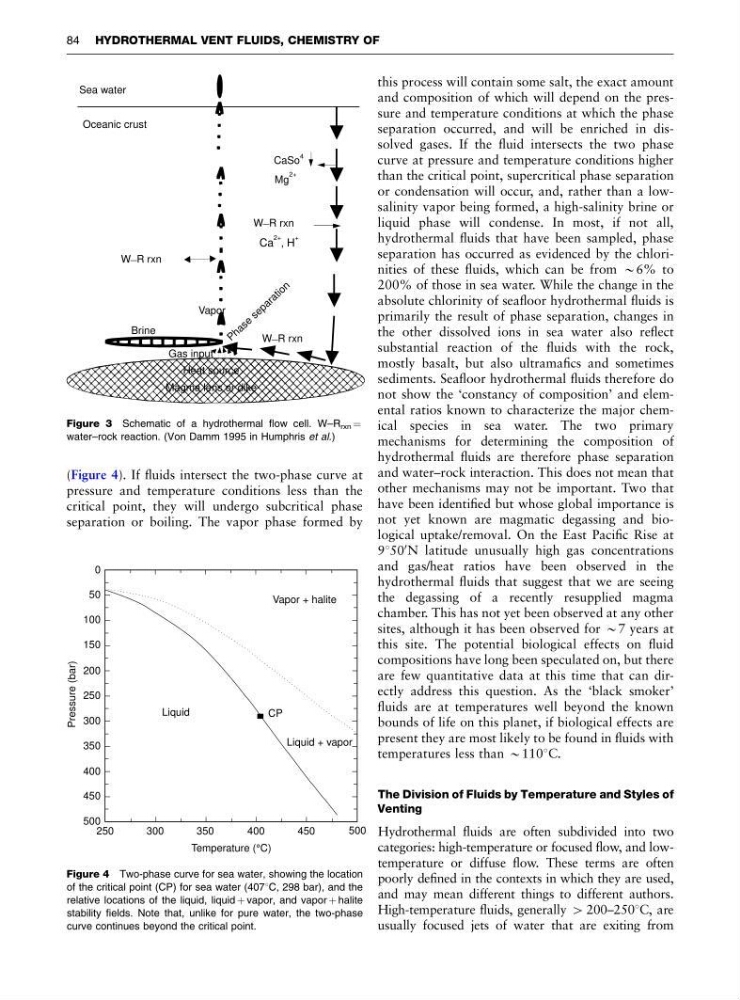
(Figure 4). If fluids intersect the two-phase curve at
pressure and temperature conditions less than the
critical point, they will undergo subcritical phase
separation or boiling. The vapor phase formed by
this process will contain some salt, the exact amount
and composition of which will depend on the pressure and temperature conditions at which the phase
separation occurred, and will be enriched in dissolved gases. If the fluid intersects the two phase
curve at pressure and temperature conditions higher
than the critical point, supercritical phase separation
or condensation will occur, and, rather than a lowsalinity vapor being formed, a high-salinity brine or
liquid phase will condense. In most, if not all,
hydrothermal fluids that have been sampled, phase
separation has occurred as evidenced by the chlorinities of these fluids, which can be from B6% to
200% of those in sea water. While the change in the
absolute chlorinity of seafloor hydrothermal fluids is
primarily the result of phase separation, changes in
the other dissolved ions in sea water also reflect
substantial reaction of the fluids with the rock,
mostly basalt, but also ultramafics and sometimes
sediments. Seafloor hydrothermal fluids therefore do
not show the ‘constancy of composition’ and elemental ratios known to characterize the major chemical species in sea water. The two primary
mechanisms for determining the composition of
hydrothermal fluids are therefore phase separation
and water–rock interaction. This does not mean that
other mechanisms may not be important. Two that
have been identified but whose global importance is
not yet known are magmatic degassing and biological uptake/removal. On the East Pacific Rise at
9150
0 N latitude unusually high gas concentrations
and gas/heat ratios have been observed in the
hydrothermal fluids that suggest that we are seeing
the degassing of a recently resupplied magma
chamber. This has not yet been observed at any other
sites, although it has been observed for B7 years at
this site. The potential biological effects on fluid
compositions have long been speculated on, but there
are few quantitative data at this time that can directly address this question. As the ‘black smoker’
fluids are at temperatures well beyond the known
bounds of life on this planet, if biological effects are
present they are most likely to be found in fluids with
temperatures less than B1101C.
The Division of Fluids by Temperature and Styles of
Venting
Hydrothermal fluids are often subdivided into two
categories: high-temperature or focused flow, and lowtemperature or diffuse flow. These terms are often
poorly defined in the contexts in which they are used,
and may mean different things to different authors.
High-temperature fluids, generally 4 200–2501C, are
usually focused jets of water that are exiting from
Sea water
Oceanic crust
CaSo
4
Mg
2+
W R rxn
_
Vapor
Brine
Gas input
P h a s e
s e p a r a t i o n
W R rxn
_
Ca
2+
+
, H
W _ R
Heat source
Magma lens or dike
rxn
Figure 3 Schematic of a hydrothermal flow cell. W–R rxn ¼
water–rock reaction. (Von Damm 1995 in Humphris et al.)
Vapor + halite
CP
Liquid + vapor
Liquid
Temperature (°C)
Pressure (bar)
0
50
100
150
200
250
300
350
400
450
500
300
250
350
400
450
500
Figure 4 Two-phase curve for sea water, showing the location
of the critical point (CP) for sea water (4071C, 298 bar), and the
relative locations of the liquid, liquid þ vapor, and vapor þ halite
stability fields. Note that, unlike for pure water, the two-phase
curve continues beyond the critical point.
84 HYDROTHERMAL VENT FLUIDS, CHEMISTRY OF
pressure and temperature conditions less than the
critical point, they will undergo subcritical phase
separation or boiling. The vapor phase formed by
this process will contain some salt, the exact amount
and composition of which will depend on the pressure and temperature conditions at which the phase
separation occurred, and will be enriched in dissolved gases. If the fluid intersects the two phase
curve at pressure and temperature conditions higher
than the critical point, supercritical phase separation
or condensation will occur, and, rather than a lowsalinity vapor being formed, a high-salinity brine or
liquid phase will condense. In most, if not all,
hydrothermal fluids that have been sampled, phase
separation has occurred as evidenced by the chlorinities of these fluids, which can be from B6% to
200% of those in sea water. While the change in the
absolute chlorinity of seafloor hydrothermal fluids is
primarily the result of phase separation, changes in
the other dissolved ions in sea water also reflect
substantial reaction of the fluids with the rock,
mostly basalt, but also ultramafics and sometimes
sediments. Seafloor hydrothermal fluids therefore do
not show the ‘constancy of composition’ and elemental ratios known to characterize the major chemical species in sea water. The two primary
mechanisms for determining the composition of
hydrothermal fluids are therefore phase separation
and water–rock interaction. This does not mean that
other mechanisms may not be important. Two that
have been identified but whose global importance is
not yet known are magmatic degassing and biological uptake/removal. On the East Pacific Rise at
9150
0 N latitude unusually high gas concentrations
and gas/heat ratios have been observed in the
hydrothermal fluids that suggest that we are seeing
the degassing of a recently resupplied magma
chamber. This has not yet been observed at any other
sites, although it has been observed for B7 years at
this site. The potential biological effects on fluid
compositions have long been speculated on, but there
are few quantitative data at this time that can directly address this question. As the ‘black smoker’
fluids are at temperatures well beyond the known
bounds of life on this planet, if biological effects are
present they are most likely to be found in fluids with
temperatures less than B1101C.
The Division of Fluids by Temperature and Styles of
Venting
Hydrothermal fluids are often subdivided into two
categories: high-temperature or focused flow, and lowtemperature or diffuse flow. These terms are often
poorly defined in the contexts in which they are used,
and may mean different things to different authors.
High-temperature fluids, generally 4 200–2501C, are
usually focused jets of water that are exiting from
Sea water
Oceanic crust
CaSo
4
Mg
2+
W R rxn
_
Vapor
Brine
Gas input
P h a s e
s e p a r a t i o n
W R rxn
_
Ca
2+
+
, H
W _ R
Heat source
Magma lens or dike
rxn
Figure 3 Schematic of a hydrothermal flow cell. W–R rxn ¼
water–rock reaction. (Von Damm 1995 in Humphris et al.)
Vapor + halite
CP
Liquid + vapor
Liquid
Temperature (°C)
Pressure (bar)
0
50
100
150
200
250
300
350
400
450
500
300
250
350
400
450
500
Figure 4 Two-phase curve for sea water, showing the location
of the critical point (CP) for sea water (4071C, 298 bar), and the
relative locations of the liquid, liquid þ vapor, and vapor þ halite
stability fields. Note that, unlike for pure water, the two-phase
curve continues beyond the critical point.
84 HYDROTHERMAL VENT FLUIDS, CHEMISTRY OF