

maximum (PNM) near the base of the euphotic zone
(B100–150 m; Figure 6). Nitrite is a key intermediate between NO 3
À and NH 4
þ , so there are several
potential pathways, both oxidative and reductive,
that might lead to its accumulation in sea water.
First, phototrophic organisms growing on NO 3
À
may partially reduce the substrate to NO 2
À as the
first, and least energy-consuming, step in the assimilatory NO 3
À reduction pathway. However, the
next step, reduction of NO 2
À to NH 4
þ , requires a
substantial amount of energy, so when energy is
scarce (e.g., light limitation) NO 2
À accumulates inside the cells. Because NO 2
À is the salt of a weak
acid, nitrous acid (HNO 2 ) forms in the slightly acidic
intracellular environment, diffuses out of the cell and
ionizes to form NO 2
À in the alkaline sea water. This
NO 3
À
-NO 2
À phytoplankton pump, under the
control of light intensity, could provide a source of
NO 2
À necessary to create and maintain the PNM.
Alternatively, local regeneration of dissolved and
particulate organic matter could produce NH 4
þ (via
ammonification) that is partially oxidized in place to
produce a relative excess of NO 2
À (the first step of
nitrification). Kinetic controls on this process would
be rates of NH 4
þ production and NO 2
À oxidation to
NO 3
À (the second and final step in nitrification).
Sunlight, even at very low levels, appears to disrupt
the normal coupling between NO 2
À production and
NO 2
À oxidation, in favor of NO 2
À accumulation.
Finally, it is possible, though perhaps less likely, that
NO 3
À respiration (terminating at NO 2
À ), followed
by excretion of NO 2
À (into the surrounding sea
water might also contribute to the accumulation of
NO 2
À ) near the base of the euphotic zone. Because
the global ocean at the depth of the PNM is characteristically well-oxygenated, one would need to
invoke microenvironments like animal guts or large
particles as the habitats for this nitrogen cycle
pathway. The use of
15
N-labeled substrates, selective
metabolic inhibitors, and other experimental manipulations provides an opportunity for direct assessment of the role of each of these potential
processes. In all likelihood, more than one of these
processes contributes to the observed PNM. Whatever the cause, light appears to be an important determinant that might explain the relative position,
with regard to depth, of this global feature.
Nitrogen Cycle and Ocean
Productivity
Because nitrogen transformations include both the
formation and decomposition of organic matter,
much of the nitrogen used in photosynthesis is locally
recycled back to NH 4
þ or NO 3
À to support another
pass through the cycle. The net removal of nitrogen
in particulate, dissolved, or gaseous form can cause
the cycle to slow down or even terminate unless new
nitrogen is imported from an external source.
A unifying concept in the study of nutrient dynamics
in the sea is the ‘new’ versus ‘regenerated’ nitrogen
dichotomy (Figure 7). New nitrogen is imported
from surrounding regions (e.g., NO 3
À injection from
below) or locally created (e.g., NH 4
þ /organic N from
N 2 fixation). Regenerated nitrogen is locally recycled
(e.g., NH 4
þ from ammonification, NO 2
À
/ NO 3
À
from nitrification, or DON from grazing or cell
lysis). Under steady-state conditions, the amount of
new nitrogen entering an ecosystem will determine
the total amount that can be exported without the
system running down.
In shallow, coastal regions runoff from land or
movement upward from the sediments are potentially major sources of NH 4
þ , NO 3
À and DON for
water column processes. In certain regions, atmospheric deposition (both wet and dry) may also supply
bioavailable nitrogen to the system. However, in
200
160
120
80
40
0
Depth (m)
NO 2
−
NO 3
−
Chlorophyll-a
Light
Concentration
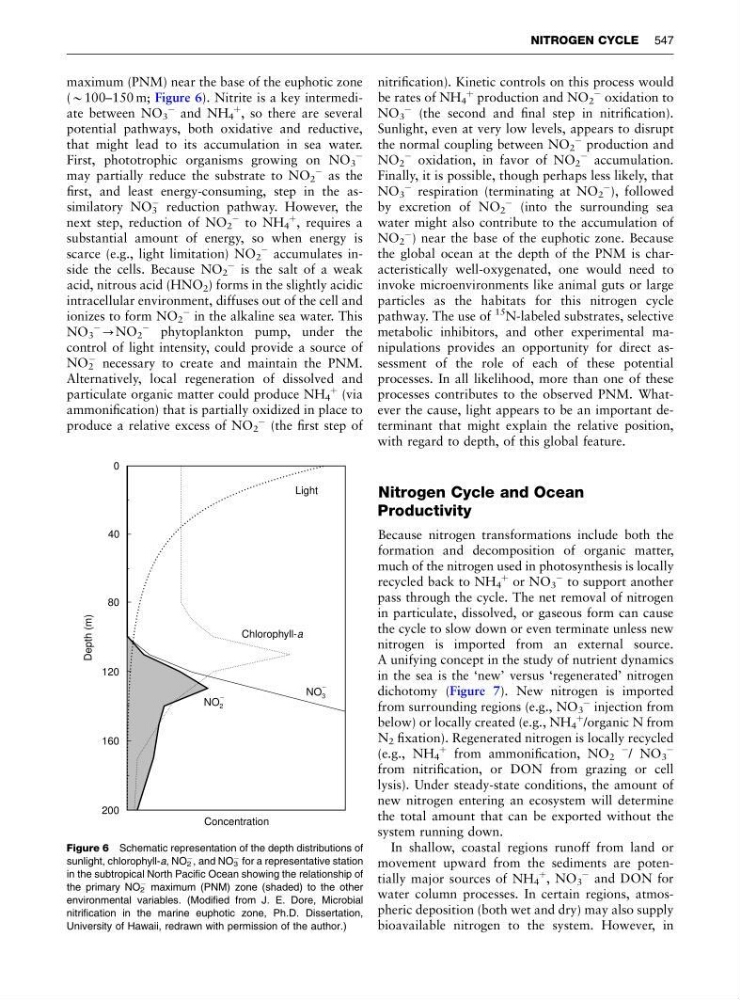
Figure 6 Schematic representation of the depth distributions of
sunlight, chlorophyll-a, NO 2
À , and NO 3
À for a representative station
in the subtropical North Pacific Ocean showing the relationship of
the primary NO 2
À maximum (PNM) zone (shaded) to the other
environmental variables. (Modified from J. E. Dore, Microbial
nitrification in the marine euphotic zone, Ph.D. Dissertation,
University of Hawaii, redrawn with permission of the author.)
NITROGEN CYCLE 547
(B100–150 m; Figure 6). Nitrite is a key intermediate between NO 3
À and NH 4
þ , so there are several
potential pathways, both oxidative and reductive,
that might lead to its accumulation in sea water.
First, phototrophic organisms growing on NO 3
À
may partially reduce the substrate to NO 2
À as the
first, and least energy-consuming, step in the assimilatory NO 3
À reduction pathway. However, the
next step, reduction of NO 2
À to NH 4
þ , requires a
substantial amount of energy, so when energy is
scarce (e.g., light limitation) NO 2
À accumulates inside the cells. Because NO 2
À is the salt of a weak
acid, nitrous acid (HNO 2 ) forms in the slightly acidic
intracellular environment, diffuses out of the cell and
ionizes to form NO 2
À in the alkaline sea water. This
NO 3
À
-NO 2
À phytoplankton pump, under the
control of light intensity, could provide a source of
NO 2
À necessary to create and maintain the PNM.
Alternatively, local regeneration of dissolved and
particulate organic matter could produce NH 4
þ (via
ammonification) that is partially oxidized in place to
produce a relative excess of NO 2
À (the first step of
nitrification). Kinetic controls on this process would
be rates of NH 4
þ production and NO 2
À oxidation to
NO 3
À (the second and final step in nitrification).
Sunlight, even at very low levels, appears to disrupt
the normal coupling between NO 2
À production and
NO 2
À oxidation, in favor of NO 2
À accumulation.
Finally, it is possible, though perhaps less likely, that
NO 3
À respiration (terminating at NO 2
À ), followed
by excretion of NO 2
À (into the surrounding sea
water might also contribute to the accumulation of
NO 2
À ) near the base of the euphotic zone. Because
the global ocean at the depth of the PNM is characteristically well-oxygenated, one would need to
invoke microenvironments like animal guts or large
particles as the habitats for this nitrogen cycle
pathway. The use of
15
N-labeled substrates, selective
metabolic inhibitors, and other experimental manipulations provides an opportunity for direct assessment of the role of each of these potential
processes. In all likelihood, more than one of these
processes contributes to the observed PNM. Whatever the cause, light appears to be an important determinant that might explain the relative position,
with regard to depth, of this global feature.
Nitrogen Cycle and Ocean
Productivity
Because nitrogen transformations include both the
formation and decomposition of organic matter,
much of the nitrogen used in photosynthesis is locally
recycled back to NH 4
þ or NO 3
À to support another
pass through the cycle. The net removal of nitrogen
in particulate, dissolved, or gaseous form can cause
the cycle to slow down or even terminate unless new
nitrogen is imported from an external source.
A unifying concept in the study of nutrient dynamics
in the sea is the ‘new’ versus ‘regenerated’ nitrogen
dichotomy (Figure 7). New nitrogen is imported
from surrounding regions (e.g., NO 3
À injection from
below) or locally created (e.g., NH 4
þ /organic N from
N 2 fixation). Regenerated nitrogen is locally recycled
(e.g., NH 4
þ from ammonification, NO 2
À
/ NO 3
À
from nitrification, or DON from grazing or cell
lysis). Under steady-state conditions, the amount of
new nitrogen entering an ecosystem will determine
the total amount that can be exported without the
system running down.
In shallow, coastal regions runoff from land or
movement upward from the sediments are potentially major sources of NH 4
þ , NO 3
À and DON for
water column processes. In certain regions, atmospheric deposition (both wet and dry) may also supply
bioavailable nitrogen to the system. However, in
200
160
120
80
40
0
Depth (m)
NO 2
−
NO 3
−
Chlorophyll-a
Light
Concentration
Figure 6 Schematic representation of the depth distributions of
sunlight, chlorophyll-a, NO 2
À , and NO 3
À for a representative station
in the subtropical North Pacific Ocean showing the relationship of
the primary NO 2
À maximum (PNM) zone (shaded) to the other
environmental variables. (Modified from J. E. Dore, Microbial
nitrification in the marine euphotic zone, Ph.D. Dissertation,
University of Hawaii, redrawn with permission of the author.)
NITROGEN CYCLE 547