

activities of bacteria. This set of regeneration reactions is vital to the nitrogen cycle, and since most
deep water nitrogen (excluding N 2 ) is in the form of
NO 3
À
, bacterial nitrification must be a very important process (see Nitrogen Distributions in the Sea,
below).
Nitrogen Assimilation
Several forms of nitrogen can be directly transported
across cell membranes and assimilated into new
cellular materials as required for biosynthesis and
growth. Most microorganisms readily transport
NH 4
þ , NO 2
À , NO 3
À , and selected DON compounds
such as amino acids, urea, and nucleic acid bases. By
comparison, the ability to utilize N 2 as a nitrogen
source for biosynthesis is restricted to a very few
species of specialized microbes. Many protozoans,
including both photosynthetic and heterotrophic
species, and all metazoans obtain nitrogen primarily
by ingestion of PON.
Once inside the cell or organism, nitrogen is digested and, if necessary, reduced to NH 4
þ . If oxidized compounds such as NO 3
À or NO 2
À are
utilized, cellular energy must be invested to reduce
these substrates to ammonium for incorporation into
organic matter. The process of reduction of NO 3
À (or
NO 2
À ) for the purpose of cell growth is referred to as
assimilatory nitrogen (NO 3
À
/NO 2
À ) reduction and
most microorganisms, both bacteria and phytoplankton, possess this metabolic capability (Table 1).
In theory, there should be a metabolic preference for
NH 4
þ over either NO 3
À or NO 2
À , based strictly on
energetic considerations. However, it should be emphasized that preferential utilization of NH 4
þ does
not always occur. For example, two closely related
and abundant planktonic cyanobacteria that coexist
in tropical and subtropical marine habitats have devised alternate metabolic strategies: Synechococcus
prefers NO 3
À and Prochlorococcus prefers NH 4
þ
. In
fact, Prochlorococcus cannot reduce NO 3
À to NH 4
þ ,
presumably because the critical enzyme systems are
absent.
Nitrification
As nitrogen is oxidized from NH 4
þ through NO 2
À to
NO 3
À , energy is released (Figure 1), a portion of
which can be coupled to the reduction of carbon
dioxide (CO 2 ) to organic matter (CH 2 O) by nitrifying bacteria. These specialized bacteria, one group
capable only of the oxidation of NH 4
þ to NO 2
À and
the second capable only of the oxidation of NO 2
À to
NO 3
À , are termed ‘chemolithoautotrophic’ because
they can fix CO 2 in the dark at the expense of
chemical energy. Other related chemolithoautotrophs can oxidize reduced sulfur compounds, and
this pathway of organic matter production has been
hypothesized as the basis for life at deep-sea hydrothermal vents.
It is essential to emphasize an important ecological
aspect of NH 4
þ /NO 2
À chemolithoautotrophy. First,
the oxidation of NH 4
þ to NO 2
À and of NO 2
À to
NO 3
À usually requires oxygen and these processes
are ultimately coupled to the photosynthetic production of oxygen in the surface water. Second, the
continued formation of reduced nitrogen, in the form
of NH 4
þ or organic nitrogen, is also dependent, ultimately, on photosynthesis. In this regard the CO 2
reduced via this ‘autotrophic’ pathway must be
considered secondary, not primary, production from
an ecological energetics perspective.
Marine nitrifying bacteria, especially the NO 2
À
oxidizers are ubiquitous in the world ocean and key
to the regeneration of NO 3
À , which dominates
waters below the well-illuminated, euphotic zone.
However they are never very abundant and, at least
for those species in culture, grow very slowly. Certain
heterotrophic bacteria can also oxidize NH 4
þ to
both NO 2
À and NO 3
À during metabolism of preformed organic matter. However, very little is known
about the potential for ‘heterotrophic nitrification’ in
the sea.
Denitrification
Under conditions of reduced oxygen (O 2 ) availability, selected species of marine bacteria can use
NO 3
À as a terminal acceptor for electrons during
metabolism, a process termed NO 3
À respiration or
dissimilatory NO 3
À reduction. This process allows
microorganisms to utilize organic matter in low-O 2
0
1
2
3
0
100
200
Time (months)
Nitrogen (arbitrary units)
PON
NH 4
+
NO 2
−
NO 3
−
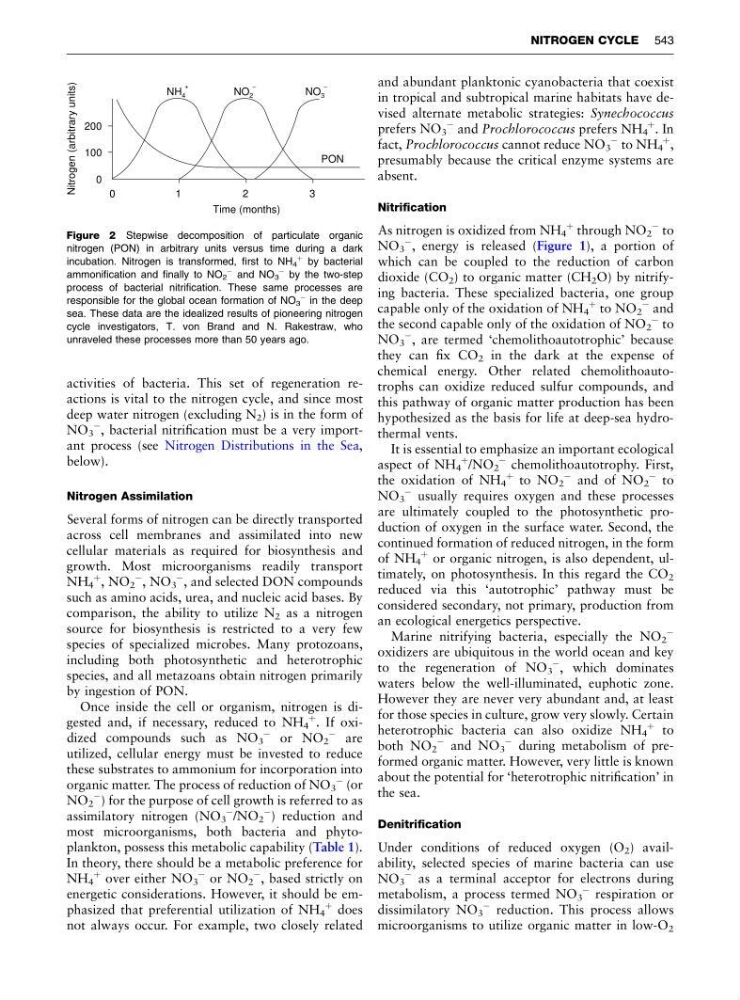
Figure 2 Stepwise decomposition of particulate organic
nitrogen (PON) in arbitrary units versus time during a dark
incubation. Nitrogen is transformed, first to NH 4
þ by bacterial
ammonification and finally to NO 2
À and NO 3
À by the two-step
process of bacterial nitrification. These same processes are
responsible for the global ocean formation of NO 3
À in the deep
sea. These data are the idealized results of pioneering nitrogen
cycle investigators, T. von Brand and N. Rakestraw, who
unraveled these processes more than 50 years ago.
NITROGEN CYCLE 543
deep water nitrogen (excluding N 2 ) is in the form of
NO 3
À
, bacterial nitrification must be a very important process (see Nitrogen Distributions in the Sea,
below).
Nitrogen Assimilation
Several forms of nitrogen can be directly transported
across cell membranes and assimilated into new
cellular materials as required for biosynthesis and
growth. Most microorganisms readily transport
NH 4
þ , NO 2
À , NO 3
À , and selected DON compounds
such as amino acids, urea, and nucleic acid bases. By
comparison, the ability to utilize N 2 as a nitrogen
source for biosynthesis is restricted to a very few
species of specialized microbes. Many protozoans,
including both photosynthetic and heterotrophic
species, and all metazoans obtain nitrogen primarily
by ingestion of PON.
Once inside the cell or organism, nitrogen is digested and, if necessary, reduced to NH 4
þ . If oxidized compounds such as NO 3
À or NO 2
À are
utilized, cellular energy must be invested to reduce
these substrates to ammonium for incorporation into
organic matter. The process of reduction of NO 3
À (or
NO 2
À ) for the purpose of cell growth is referred to as
assimilatory nitrogen (NO 3
À
/NO 2
À ) reduction and
most microorganisms, both bacteria and phytoplankton, possess this metabolic capability (Table 1).
In theory, there should be a metabolic preference for
NH 4
þ over either NO 3
À or NO 2
À , based strictly on
energetic considerations. However, it should be emphasized that preferential utilization of NH 4
þ does
not always occur. For example, two closely related
and abundant planktonic cyanobacteria that coexist
in tropical and subtropical marine habitats have devised alternate metabolic strategies: Synechococcus
prefers NO 3
À and Prochlorococcus prefers NH 4
þ
. In
fact, Prochlorococcus cannot reduce NO 3
À to NH 4
þ ,
presumably because the critical enzyme systems are
absent.
Nitrification
As nitrogen is oxidized from NH 4
þ through NO 2
À to
NO 3
À , energy is released (Figure 1), a portion of
which can be coupled to the reduction of carbon
dioxide (CO 2 ) to organic matter (CH 2 O) by nitrifying bacteria. These specialized bacteria, one group
capable only of the oxidation of NH 4
þ to NO 2
À and
the second capable only of the oxidation of NO 2
À to
NO 3
À , are termed ‘chemolithoautotrophic’ because
they can fix CO 2 in the dark at the expense of
chemical energy. Other related chemolithoautotrophs can oxidize reduced sulfur compounds, and
this pathway of organic matter production has been
hypothesized as the basis for life at deep-sea hydrothermal vents.
It is essential to emphasize an important ecological
aspect of NH 4
þ /NO 2
À chemolithoautotrophy. First,
the oxidation of NH 4
þ to NO 2
À and of NO 2
À to
NO 3
À usually requires oxygen and these processes
are ultimately coupled to the photosynthetic production of oxygen in the surface water. Second, the
continued formation of reduced nitrogen, in the form
of NH 4
þ or organic nitrogen, is also dependent, ultimately, on photosynthesis. In this regard the CO 2
reduced via this ‘autotrophic’ pathway must be
considered secondary, not primary, production from
an ecological energetics perspective.
Marine nitrifying bacteria, especially the NO 2
À
oxidizers are ubiquitous in the world ocean and key
to the regeneration of NO 3
À , which dominates
waters below the well-illuminated, euphotic zone.
However they are never very abundant and, at least
for those species in culture, grow very slowly. Certain
heterotrophic bacteria can also oxidize NH 4
þ to
both NO 2
À and NO 3
À during metabolism of preformed organic matter. However, very little is known
about the potential for ‘heterotrophic nitrification’ in
the sea.
Denitrification
Under conditions of reduced oxygen (O 2 ) availability, selected species of marine bacteria can use
NO 3
À as a terminal acceptor for electrons during
metabolism, a process termed NO 3
À respiration or
dissimilatory NO 3
À reduction. This process allows
microorganisms to utilize organic matter in low-O 2
0
1
2
3
0
100
200
Time (months)
Nitrogen (arbitrary units)
PON
NH 4
+
NO 2
−
NO 3
−
Figure 2 Stepwise decomposition of particulate organic
nitrogen (PON) in arbitrary units versus time during a dark
incubation. Nitrogen is transformed, first to NH 4
þ by bacterial
ammonification and finally to NO 2
À and NO 3
À by the two-step
process of bacterial nitrification. These same processes are
responsible for the global ocean formation of NO 3
À in the deep
sea. These data are the idealized results of pioneering nitrogen
cycle investigators, T. von Brand and N. Rakestraw, who
unraveled these processes more than 50 years ago.
NITROGEN CYCLE 543