

mean pressure of extraction due to variations in
mantle temperature, more recent evidence suggests
that heterogeneity in the mantle also plays an important role in defining both global and local
chemical trends. In particular, U-series data suggest
some MDRB melts equilibrate with highly depleted
mantle at shallow depths whereas others equilibrate
with less depleted garnet pesidatite at depths greater
than B80 km.
Conclusions
Passive rise of the mantle beneath oceanic spreading
centers results in the decompression melting of
upwelling peridotite which gives rise to a spectrum
of MORB compositions varying from extremely
depleted to moderately enriched varieties. The compositional variability in primary MORB result from
combinations of differing source compositions, extents and styles of partial melting, and depths of melt
formation. The moderately evolved composition of
most MORB primarily reflects the effects of crystal
fractionation that occurs as the primary melts ascend
from the mantle into the cooler crust. Although
MORB are relatively homogeneous compared to
basalts from other tectonic environments, they exhibit a range of compositions that provide us with
information about the composition of the mantle, the
influence of plumes, and dynamic magmatic processes that occur to form the most voluminous part
of the Earth’s crust.
Further Reading
Batiza R and Niu Y (1992) Petrology and magma chamber
processes at the East Pacific Rise – 9130
0 N. Journal of
Geophysical Research 97: 6779--6797.
Grove TL, Kinzler RJ, and Bryan WB (1992) Fractionation
of Mid-Ocean Ridge Basalt (MORB). In: PhippsMorgan J, Blackman DK, and Sinton J (eds.) Mantle
Flow and Melt Generation at Mid-ocean Ridges,
Geophys. Monograph 71, pp. 281--310. Washington,
DC: American Geophysical Union.
Klein EM and Langmuir CH (1987) Global correlations of
ocean ridge basalt chemistry with axial depth and
crustal thickness. Journal of Geophysical Research 92:
8089--8115.
Kurras GJ, Fomari DJ, Edwards MH, Perfit MR, and Smith
MC (2000) Volcanic morphology of the East Pacific
Rise Crest 91 49
0 –52
0 N:1. Implications for volcanic
emplacement processes at fast-spreading mid-ocean
ridges. Marine Geophysical Research 21: 23--41.
Langmuir CH, Klein EM, and Plank T (1992) Petrological
systematics of mid-ocean ridge basalts: constraints on
melt generation beneath ocean ridges. In: PhippsMorgan J, Blackman DK and Sinton J (eds) Mantle
Flow and Melt Generation at Mid-ocean Ridges,
Geophysics Monograph 71, Washington, DC: American
Geophysical Union, p. 183–280.
Lundstrom CC, Sampson DE, Perfit MR, Gill J, and
Williams Q (1999) Insight, into mid-ocean ridge basalt
petrogenesis: U-series disequilibrium from the Siqueiro,
Transform, lamont seamounts, and East Pacific Rise
Journal of Geophysical Research 104: 13035–13048.
Macdonald KC (1998) Linkages between faulting,
volcanism, hydrothermal activity and segmentation on
fast spreading centers. In: Buck WR, Delaney PT,
Karson JA and Lagabrielle Y (eds) Faulting and
Magmatism at Mid-ocean ridges, American Geophysics
Monograph 106, Washington, DC: American Geophysical Union, p. 27–59.
Nicolas A (1990) The Mid-Ocean Ridges. Springer Verlag,
Berlin.
2.0
2.5
3.0
3.5
Depth (m)
7
8
9
10
11
6000
5000
4000
3000
2000
1000
0
Global MORB
Regional Averages
12
11
10
9
8
7
6
1.5
2.0
2.5
3.0
3.5
Fe 8
(A)
(B)
(C)
Na 8
Na 8
Fe 8
Increasing melting
Greater mean depth
Decreasing melting
Shallower mean depth
Local trend
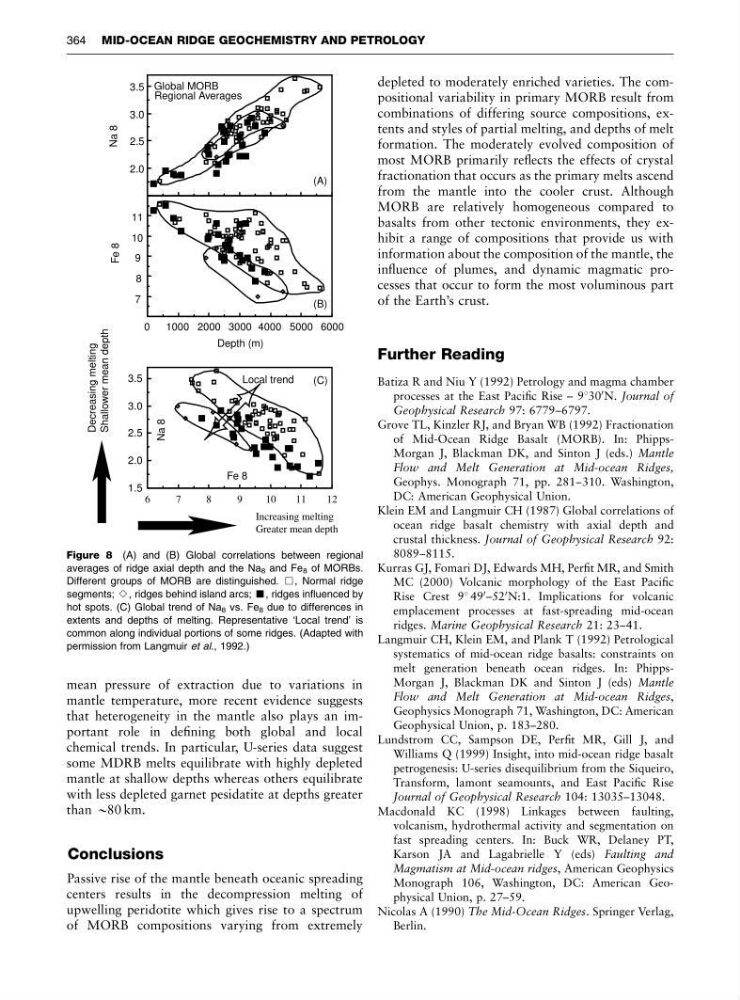
Figure 8 (A) and (B) Global correlations between regional
averages of ridge axial depth and the Na 8 and Fe 8 of MORBs.
Different groups of MORB are distinguished. &, Normal ridge
segments; B, ridges behind island arcs; ’, ridges influenced by
hot spots. (C) Global trend of Na 8 vs. Fe 8 due to differences in
extents and depths of melting. Representative ‘Local trend’ is
common along individual portions of some ridges. (Adapted with
permission from Langmuir et al., 1992.)
364 MID-OCEAN RIDGE GEOCHEMISTRY AND PETROLOGY
mantle temperature, more recent evidence suggests
that heterogeneity in the mantle also plays an important role in defining both global and local
chemical trends. In particular, U-series data suggest
some MDRB melts equilibrate with highly depleted
mantle at shallow depths whereas others equilibrate
with less depleted garnet pesidatite at depths greater
than B80 km.
Conclusions
Passive rise of the mantle beneath oceanic spreading
centers results in the decompression melting of
upwelling peridotite which gives rise to a spectrum
of MORB compositions varying from extremely
depleted to moderately enriched varieties. The compositional variability in primary MORB result from
combinations of differing source compositions, extents and styles of partial melting, and depths of melt
formation. The moderately evolved composition of
most MORB primarily reflects the effects of crystal
fractionation that occurs as the primary melts ascend
from the mantle into the cooler crust. Although
MORB are relatively homogeneous compared to
basalts from other tectonic environments, they exhibit a range of compositions that provide us with
information about the composition of the mantle, the
influence of plumes, and dynamic magmatic processes that occur to form the most voluminous part
of the Earth’s crust.
Further Reading
Batiza R and Niu Y (1992) Petrology and magma chamber
processes at the East Pacific Rise – 9130
0 N. Journal of
Geophysical Research 97: 6779--6797.
Grove TL, Kinzler RJ, and Bryan WB (1992) Fractionation
of Mid-Ocean Ridge Basalt (MORB). In: PhippsMorgan J, Blackman DK, and Sinton J (eds.) Mantle
Flow and Melt Generation at Mid-ocean Ridges,
Geophys. Monograph 71, pp. 281--310. Washington,
DC: American Geophysical Union.
Klein EM and Langmuir CH (1987) Global correlations of
ocean ridge basalt chemistry with axial depth and
crustal thickness. Journal of Geophysical Research 92:
8089--8115.
Kurras GJ, Fomari DJ, Edwards MH, Perfit MR, and Smith
MC (2000) Volcanic morphology of the East Pacific
Rise Crest 91 49
0 –52
0 N:1. Implications for volcanic
emplacement processes at fast-spreading mid-ocean
ridges. Marine Geophysical Research 21: 23--41.
Langmuir CH, Klein EM, and Plank T (1992) Petrological
systematics of mid-ocean ridge basalts: constraints on
melt generation beneath ocean ridges. In: PhippsMorgan J, Blackman DK and Sinton J (eds) Mantle
Flow and Melt Generation at Mid-ocean Ridges,
Geophysics Monograph 71, Washington, DC: American
Geophysical Union, p. 183–280.
Lundstrom CC, Sampson DE, Perfit MR, Gill J, and
Williams Q (1999) Insight, into mid-ocean ridge basalt
petrogenesis: U-series disequilibrium from the Siqueiro,
Transform, lamont seamounts, and East Pacific Rise
Journal of Geophysical Research 104: 13035–13048.
Macdonald KC (1998) Linkages between faulting,
volcanism, hydrothermal activity and segmentation on
fast spreading centers. In: Buck WR, Delaney PT,
Karson JA and Lagabrielle Y (eds) Faulting and
Magmatism at Mid-ocean ridges, American Geophysics
Monograph 106, Washington, DC: American Geophysical Union, p. 27–59.
Nicolas A (1990) The Mid-Ocean Ridges. Springer Verlag,
Berlin.
2.0
2.5
3.0
3.5
Depth (m)
7
8
9
10
11
6000
5000
4000
3000
2000
1000
0
Global MORB
Regional Averages
12
11
10
9
8
7
6
1.5
2.0
2.5
3.0
3.5
Fe 8
(A)
(B)
(C)
Na 8
Na 8
Fe 8
Increasing melting
Greater mean depth
Decreasing melting
Shallower mean depth
Local trend
Figure 8 (A) and (B) Global correlations between regional
averages of ridge axial depth and the Na 8 and Fe 8 of MORBs.
Different groups of MORB are distinguished. &, Normal ridge
segments; B, ridges behind island arcs; ’, ridges influenced by
hot spots. (C) Global trend of Na 8 vs. Fe 8 due to differences in
extents and depths of melting. Representative ‘Local trend’ is
common along individual portions of some ridges. (Adapted with
permission from Langmuir et al., 1992.)
364 MID-OCEAN RIDGE GEOCHEMISTRY AND PETROLOGY