

to a joint Norwegian–Russian expedition to the Kara
Sea in 1992 followed by two more joint expeditions,
in 1993 and 1994. The main purpose of these expeditions was to locate and inspect the most important dumped objects and to collect samples for
assessing the present environmental impact and to
assess the possibility for potential future leakage and
environmental impacts.
These Arctic disposals differ significantly from the
rest of the reported sea disposals in other parts of the
world oceans as most of the dumped objects are
found in shallow waters and some must be characterized as high-level radioactive waste, i.e. nuclear
reactors with fuel. Possible releases from these
sources may be expected to enter the surface circulation of the Kara Sea and from there be transported
to important fisheries areas in the Barents and Norwegian Seas. Figures 2 and 3 give examples of some
of the radioactive waste dumped in the Arctic. Pictures were taken with a video camera mounted on a
ROV (remote operated vehicle). The ROV was also
equipped with a NaI-detector for gamma-radiation
measurements and a device for sediment sampling
close to the actual objects.
The Global Convention on the Prevention of
Marine Pollution by Dumping of Wastes and Other
Matter was adopted by an Intergovernmental Conference in London in 1972. The convention named
the London Convention 1972, formerly the London
Dumping Convention (LDC), addressed from the
very beginning the problem of radioactive waste. But
it was not until 20 February 1994 that a total prohibition on radioactive waste disposal at sea came
into force.
Discharges to the Sea
Of the total world production of electricity about
16% is produced in nuclear power plants. In some
countries nuclear energy counts for the majority of
the electricity produced, France 75% and Lithuania
77%, and in the USA with the largest production of
nuclear energy of more than 96 000 MWh this accounts for about 18% of the total energy production.
Routine operations of nuclear reactors and other
installations in the nuclear fuel cycle release small
amounts of radioactive material to the air and as
liquid effluents. However, the estimated total releases
of
90 Sr,
131
I and
137
Cs over the entire periods of
operation are negligible compared to the amounts
released to the environment due to nuclear weapon
tests.
Some of the first reactors that were constructed
used a single-pass cooling system. The eight reactors
constructed for plutonium production at Hanford,
USA, between 1943 and 1956, pumped water from
Columbia River through the reactor cores then
delayed it in cooling ponds before returning it to the
river. The river water and its contents of particles and
components were thereby exposed to a great neutron
North-west Atlantic
2.94 PBq
North-east Pacific
0.55 PBq
North-east Atlantic
42.32 PBq
Arctic
38.37 PBq
West Pacific
0.89 Pbq
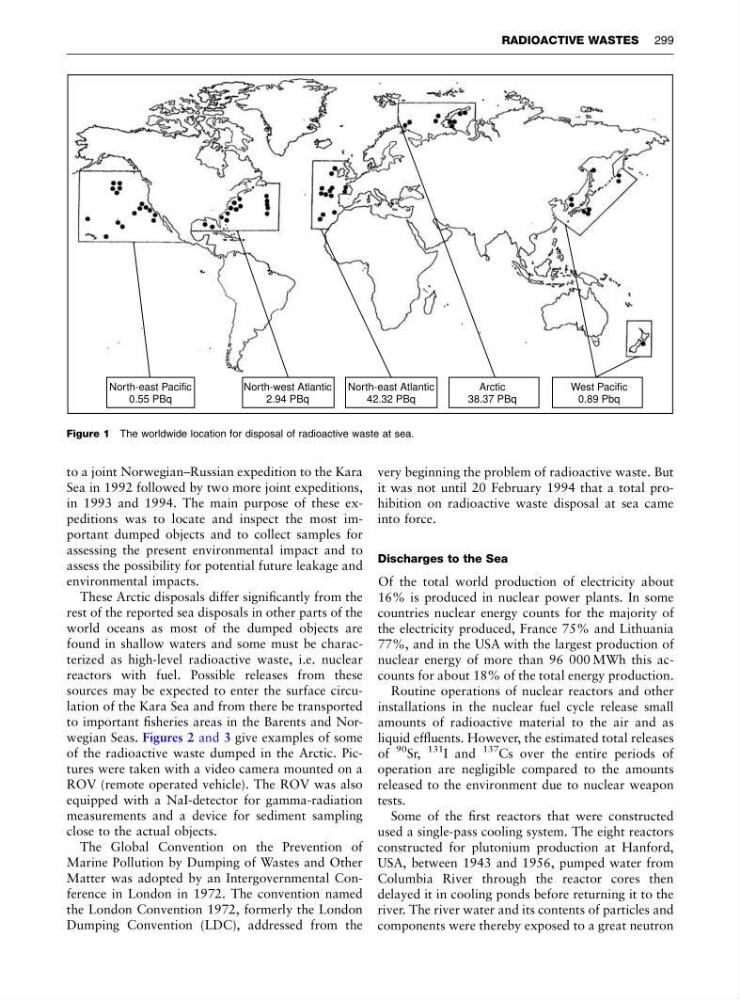
Figure 1 The worldwide location for disposal of radioactive waste at sea.
RADIOACTIVE WASTES 299
Sea in 1992 followed by two more joint expeditions,
in 1993 and 1994. The main purpose of these expeditions was to locate and inspect the most important dumped objects and to collect samples for
assessing the present environmental impact and to
assess the possibility for potential future leakage and
environmental impacts.
These Arctic disposals differ significantly from the
rest of the reported sea disposals in other parts of the
world oceans as most of the dumped objects are
found in shallow waters and some must be characterized as high-level radioactive waste, i.e. nuclear
reactors with fuel. Possible releases from these
sources may be expected to enter the surface circulation of the Kara Sea and from there be transported
to important fisheries areas in the Barents and Norwegian Seas. Figures 2 and 3 give examples of some
of the radioactive waste dumped in the Arctic. Pictures were taken with a video camera mounted on a
ROV (remote operated vehicle). The ROV was also
equipped with a NaI-detector for gamma-radiation
measurements and a device for sediment sampling
close to the actual objects.
The Global Convention on the Prevention of
Marine Pollution by Dumping of Wastes and Other
Matter was adopted by an Intergovernmental Conference in London in 1972. The convention named
the London Convention 1972, formerly the London
Dumping Convention (LDC), addressed from the
very beginning the problem of radioactive waste. But
it was not until 20 February 1994 that a total prohibition on radioactive waste disposal at sea came
into force.
Discharges to the Sea
Of the total world production of electricity about
16% is produced in nuclear power plants. In some
countries nuclear energy counts for the majority of
the electricity produced, France 75% and Lithuania
77%, and in the USA with the largest production of
nuclear energy of more than 96 000 MWh this accounts for about 18% of the total energy production.
Routine operations of nuclear reactors and other
installations in the nuclear fuel cycle release small
amounts of radioactive material to the air and as
liquid effluents. However, the estimated total releases
of
90 Sr,
131
I and
137
Cs over the entire periods of
operation are negligible compared to the amounts
released to the environment due to nuclear weapon
tests.
Some of the first reactors that were constructed
used a single-pass cooling system. The eight reactors
constructed for plutonium production at Hanford,
USA, between 1943 and 1956, pumped water from
Columbia River through the reactor cores then
delayed it in cooling ponds before returning it to the
river. The river water and its contents of particles and
components were thereby exposed to a great neutron
North-west Atlantic
2.94 PBq
North-east Pacific
0.55 PBq
North-east Atlantic
42.32 PBq
Arctic
38.37 PBq
West Pacific
0.89 Pbq
Figure 1 The worldwide location for disposal of radioactive waste at sea.
RADIOACTIVE WASTES 299