

gaseous or liquid state. The main physical chemistry
parameters of interest are the solubility of the gas in
liquid, the temperature dependence of this solubility,
and the molecular diffusivity of the gas. The suite of
noble gases have a broad range of these properties,
and the behavior of the noble gases determined by
these properties, can serve as a model for the behavior of most other gases.
One unique characteristic of the noble gases that
makes them ideally suited as tracers of the interactions between gases and ice is that helium and
neon are soluble in ice as well as in liquids. It has
been recognized since the mid-1960s that helium and
neon, and possibly hydrogen, should be soluble in ice
because of the small size of the molecules, whereas
gases having larger atomic radii are unable to reside
in the ice lattice. These findings, however, were based
on theoretical treatises and carefully controlled laboratory studies in idealized conditions. It was not
until the mid-1980s that this process was shown to
occur on observable scales in nature, when anomalies in the concentrations of helium and neon were
observed in the Arctic.
The solubility of gases in ice can be described by
the same principles governing solubility of gases in
liquids. Solubility of gases in liquids or ice occurs to
establish equilibrium, where the affinities of the gas
to reside in the gaseous, liquid, and solid state are
balanced. The solubility process can be described by
two principle mechanisms:
1. creation of a cavity in the solvent large enough to
accommodate a solute molecule;
2. introduction of the solute molecule into the liquid
or solid surface through the cavity.
In applying this approach to the solubility of gases in
ice, it follows that if the atomic radius of the solute
gas molecule is smaller than the cavities naturally
present in the lattice structure of ice, then the energy
required to make a cavity in the solvent is zero, and
the energy required for the solubility process is then
only a function of the energy required to introduce the
solute molecule into the cavity. For this reason, the
solubility of a gas molecule capable of fitting in the ice
lattice is greater than its solubility in a liquid. The
solubilities of helium and neon in ice have been determined in two separate laboratory studies, and although the values agree for the solubility of helium in
ice, the values for neon disagree. The size of neon is
very similar to the size of a cavity in the ice lattice,
and the discrepancies between the two reported values
for the solubility of neon in ice may result from small
differences in the experimental procedure.
During ice formation, most gases partition between the water and air phases to try to establish
equilibrium under the changing conditions, whereas
helium and neon additionally partition into the ice
phase. As water freezes, salt and gases are rejected
from the growing ice lattice, increasing the concentrations of salt and gas in the residual water. Helium
and neon partition between the water and ice reservoirs according to their solubility in water and ice.
The concentrations of the gases in the residual water
that have been expelled from the ice lattice, predominantly oxygen and nitrogen, can become so
elevated through this process that the pressure of the
dissolved gases in the water exceeds the in situ
hydrostatic pressure and gas bubbles form. The gases
then partition between the water, the gas bubble, and
the ice according to the solubilities of the gases in
each phase. This three-phase partitioning process can
occur either at the edge of the growing ice sheet at
the ice–water interface, or in small liquid water
pockets, called ‘brine pockets’ in salt water systems,
entrained in the ice during rapid ice formation.
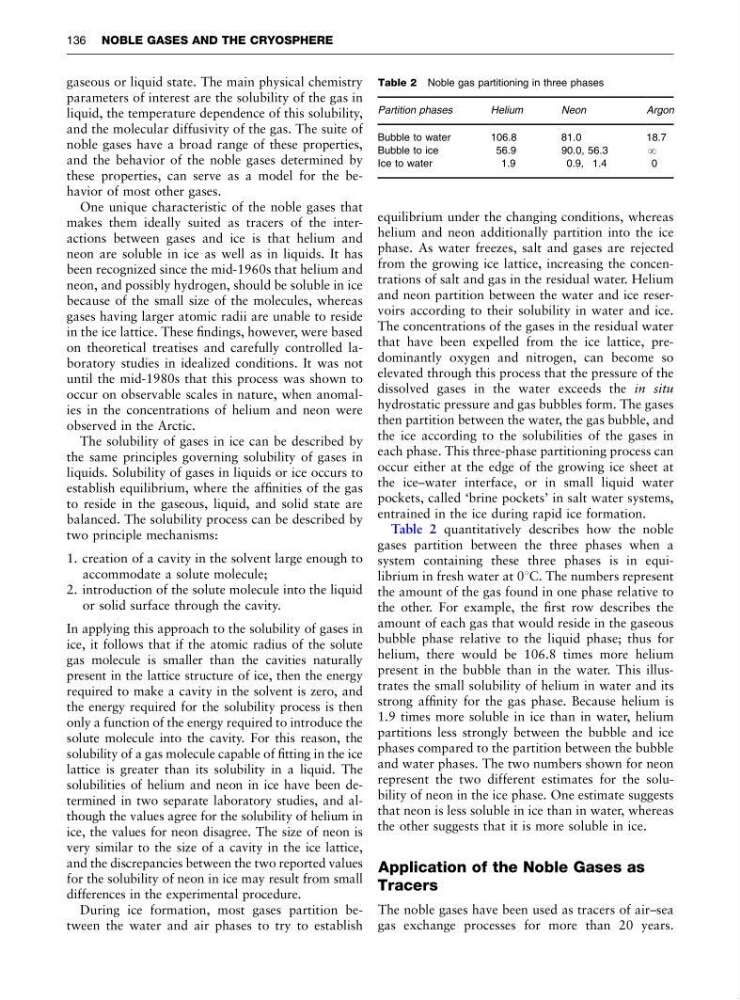
Table 2 quantitatively describes how the noble
gases partition between the three phases when a
system containing these three phases is in equilibrium in fresh water at 01C. The numbers represent
the amount of the gas found in one phase relative to
the other. For example, the first row describes the
amount of each gas that would reside in the gaseous
bubble phase relative to the liquid phase; thus for
helium, there would be 106.8 times more helium
present in the bubble than in the water. This illustrates the small solubility of helium in water and its
strong affinity for the gas phase. Because helium is
1.9 times more soluble in ice than in water, helium
partitions less strongly between the bubble and ice
phases compared to the partition between the bubble
and water phases. The two numbers shown for neon
represent the two different estimates for the solubility of neon in the ice phase. One estimate suggests
that neon is less soluble in ice than in water, whereas
the other suggests that it is more soluble in ice.
Application of the Noble Gases as
Tracers
The noble gases have been used as tracers of air–sea
gas exchange processes for more than 20 years.
Table 2 Noble gas partitioning in three phases
Partition phases
Helium
Neon
Argon
Bubble to water
106.8
81.0
18.7
Bubble to ice
56.9
90.0, 56.3
N
Ice to water
1.9
0.9, 1.4
0
136 NOBLE GASES AND THE CRYOSPHERE
parameters of interest are the solubility of the gas in
liquid, the temperature dependence of this solubility,
and the molecular diffusivity of the gas. The suite of
noble gases have a broad range of these properties,
and the behavior of the noble gases determined by
these properties, can serve as a model for the behavior of most other gases.
One unique characteristic of the noble gases that
makes them ideally suited as tracers of the interactions between gases and ice is that helium and
neon are soluble in ice as well as in liquids. It has
been recognized since the mid-1960s that helium and
neon, and possibly hydrogen, should be soluble in ice
because of the small size of the molecules, whereas
gases having larger atomic radii are unable to reside
in the ice lattice. These findings, however, were based
on theoretical treatises and carefully controlled laboratory studies in idealized conditions. It was not
until the mid-1980s that this process was shown to
occur on observable scales in nature, when anomalies in the concentrations of helium and neon were
observed in the Arctic.
The solubility of gases in ice can be described by
the same principles governing solubility of gases in
liquids. Solubility of gases in liquids or ice occurs to
establish equilibrium, where the affinities of the gas
to reside in the gaseous, liquid, and solid state are
balanced. The solubility process can be described by
two principle mechanisms:
1. creation of a cavity in the solvent large enough to
accommodate a solute molecule;
2. introduction of the solute molecule into the liquid
or solid surface through the cavity.
In applying this approach to the solubility of gases in
ice, it follows that if the atomic radius of the solute
gas molecule is smaller than the cavities naturally
present in the lattice structure of ice, then the energy
required to make a cavity in the solvent is zero, and
the energy required for the solubility process is then
only a function of the energy required to introduce the
solute molecule into the cavity. For this reason, the
solubility of a gas molecule capable of fitting in the ice
lattice is greater than its solubility in a liquid. The
solubilities of helium and neon in ice have been determined in two separate laboratory studies, and although the values agree for the solubility of helium in
ice, the values for neon disagree. The size of neon is
very similar to the size of a cavity in the ice lattice,
and the discrepancies between the two reported values
for the solubility of neon in ice may result from small
differences in the experimental procedure.
During ice formation, most gases partition between the water and air phases to try to establish
equilibrium under the changing conditions, whereas
helium and neon additionally partition into the ice
phase. As water freezes, salt and gases are rejected
from the growing ice lattice, increasing the concentrations of salt and gas in the residual water. Helium
and neon partition between the water and ice reservoirs according to their solubility in water and ice.
The concentrations of the gases in the residual water
that have been expelled from the ice lattice, predominantly oxygen and nitrogen, can become so
elevated through this process that the pressure of the
dissolved gases in the water exceeds the in situ
hydrostatic pressure and gas bubbles form. The gases
then partition between the water, the gas bubble, and
the ice according to the solubilities of the gases in
each phase. This three-phase partitioning process can
occur either at the edge of the growing ice sheet at
the ice–water interface, or in small liquid water
pockets, called ‘brine pockets’ in salt water systems,
entrained in the ice during rapid ice formation.
Table 2 quantitatively describes how the noble
gases partition between the three phases when a
system containing these three phases is in equilibrium in fresh water at 01C. The numbers represent
the amount of the gas found in one phase relative to
the other. For example, the first row describes the
amount of each gas that would reside in the gaseous
bubble phase relative to the liquid phase; thus for
helium, there would be 106.8 times more helium
present in the bubble than in the water. This illustrates the small solubility of helium in water and its
strong affinity for the gas phase. Because helium is
1.9 times more soluble in ice than in water, helium
partitions less strongly between the bubble and ice
phases compared to the partition between the bubble
and water phases. The two numbers shown for neon
represent the two different estimates for the solubility of neon in the ice phase. One estimate suggests
that neon is less soluble in ice than in water, whereas
the other suggests that it is more soluble in ice.
Application of the Noble Gases as
Tracers
The noble gases have been used as tracers of air–sea
gas exchange processes for more than 20 years.
Table 2 Noble gas partitioning in three phases
Partition phases
Helium
Neon
Argon
Bubble to water
106.8
81.0
18.7
Bubble to ice
56.9
90.0, 56.3
N
Ice to water
1.9
0.9, 1.4
0
136 NOBLE GASES AND THE CRYOSPHERE