

cod-liver oil, which is rich in the omega-3 and
omega-6 long-chain polyunsaturated fatty acids
(PUFAs). Fatty acids have long been used as supplements in the aquaculture industry but in recent
years their medicinal value to humans has been
proposed. PUFAs have been implicated in enhanced
blood circulation and brain development, particularly docosahexaenoic acid (omega-3), which plays
an important role in early brain development and
neurite outgrowth. Although PUFAs have traditionally been extracted from fish oils they do not naturally occur there but rather accumulate from the diet
of the fish. The primary source of PUFAs are marine
microbes, and in recent years the isolation and
characterization of microbes which produce these
fatty acids have allowed their production in other
organisms. At present considerable effort is being
expended on obtaining high-level production of
PUFAs in plants using genes from microalgae with
the aim of eventually producing PUFAs in plants
which have traditionally been a source of natural oils
(e.g., linseed oil, rapeseed oil). The technology to
grow and extract oils from such plants in large scale
already exists and the development of genetically
modified plants which can produce PUFAs in a
readily accessible and sustainable form for an increasing market is highly desirable.
Consumer-led demand for naturally occurring
food colorings and antioxidants has resulted in increased interest in photosynthetic pigments and in
particular the carotenoids which occur within
marine microalgae (Figure 3). There is, for example,
widespread use of the carotenoid astaxanthin; this is
a pigmented antioxidant produced by many microalgae and is responsible for the red color often associated with crustaceans such as shrimps, crabs, and
lobsters. Astaxanthin possesses an unusual antioxidant activity which has been implicated in a wide
range of health benefits such as preventing cardiovascular disease, modulating the immune system as
well as effects in cancer, diabetes, and ocular health.
Its antioxidant activities may also have a neuroprotective effect. It has been used extensively in the
feed of farmed fish as a nutritional supplement and
is partly responsible for the strong coloration often
observed in farmed salmon, a fish which naturally
accumulates astaxanthin in the wild resulting in the
pink hue of its flesh. Other carotenoids such as betacarotene and lutein are used widely as food coloring
and antioxidants. Inclusion, for example, in the diets
of chickens leads to a darkening of the egg yolk resulting in a rich yellow color.
Another group of pigments of commercial importance is that of the phycobiliproteins; these are
used as colorings, in cosmetics, and as fluorescent
dyes for flow cytometry and in immunological
assays. More recent research suggests that phycobiliproteins have anticancer and anti-inflammatory
properties. A more unusual and unique pigment
which is being used increasingly in personal care
products and may also possess anticancer and antiHIV activity is ‘marennine’, a blue-green pigment
(a)
(b)
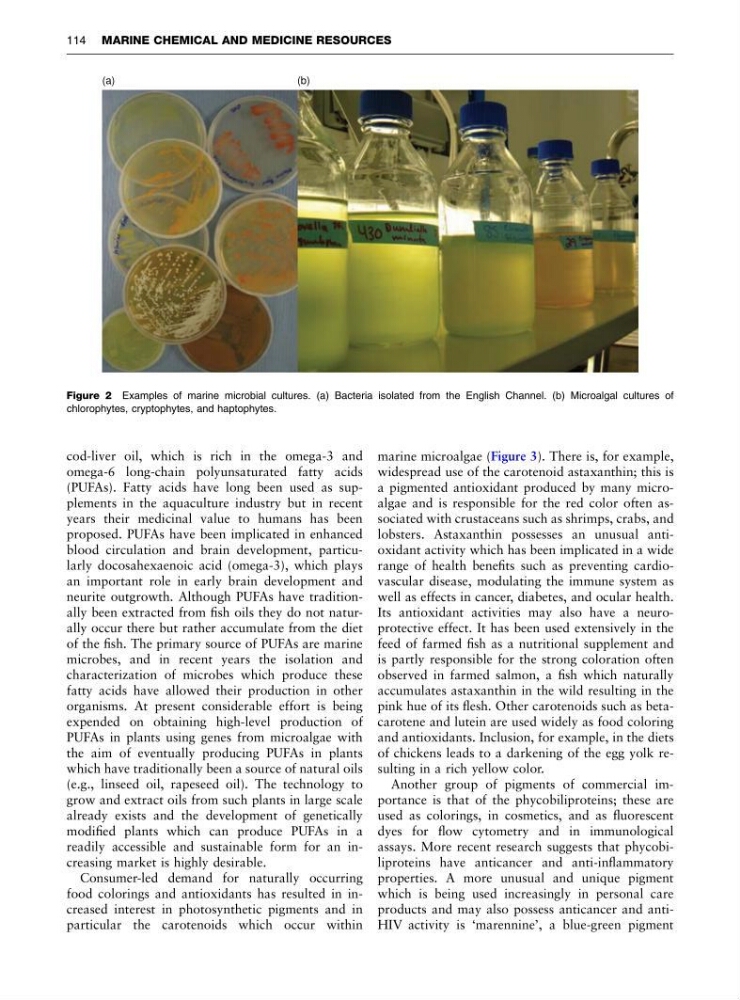
Figure 2 Examples of marine microbial cultures. (a) Bacteria isolated from the English Channel. (b) Microalgal cultures of
chlorophytes, cryptophytes, and haptophytes.
114 MARINE CHEMICAL AND MEDICINE RESOURCES
omega-6 long-chain polyunsaturated fatty acids
(PUFAs). Fatty acids have long been used as supplements in the aquaculture industry but in recent
years their medicinal value to humans has been
proposed. PUFAs have been implicated in enhanced
blood circulation and brain development, particularly docosahexaenoic acid (omega-3), which plays
an important role in early brain development and
neurite outgrowth. Although PUFAs have traditionally been extracted from fish oils they do not naturally occur there but rather accumulate from the diet
of the fish. The primary source of PUFAs are marine
microbes, and in recent years the isolation and
characterization of microbes which produce these
fatty acids have allowed their production in other
organisms. At present considerable effort is being
expended on obtaining high-level production of
PUFAs in plants using genes from microalgae with
the aim of eventually producing PUFAs in plants
which have traditionally been a source of natural oils
(e.g., linseed oil, rapeseed oil). The technology to
grow and extract oils from such plants in large scale
already exists and the development of genetically
modified plants which can produce PUFAs in a
readily accessible and sustainable form for an increasing market is highly desirable.
Consumer-led demand for naturally occurring
food colorings and antioxidants has resulted in increased interest in photosynthetic pigments and in
particular the carotenoids which occur within
marine microalgae (Figure 3). There is, for example,
widespread use of the carotenoid astaxanthin; this is
a pigmented antioxidant produced by many microalgae and is responsible for the red color often associated with crustaceans such as shrimps, crabs, and
lobsters. Astaxanthin possesses an unusual antioxidant activity which has been implicated in a wide
range of health benefits such as preventing cardiovascular disease, modulating the immune system as
well as effects in cancer, diabetes, and ocular health.
Its antioxidant activities may also have a neuroprotective effect. It has been used extensively in the
feed of farmed fish as a nutritional supplement and
is partly responsible for the strong coloration often
observed in farmed salmon, a fish which naturally
accumulates astaxanthin in the wild resulting in the
pink hue of its flesh. Other carotenoids such as betacarotene and lutein are used widely as food coloring
and antioxidants. Inclusion, for example, in the diets
of chickens leads to a darkening of the egg yolk resulting in a rich yellow color.
Another group of pigments of commercial importance is that of the phycobiliproteins; these are
used as colorings, in cosmetics, and as fluorescent
dyes for flow cytometry and in immunological
assays. More recent research suggests that phycobiliproteins have anticancer and anti-inflammatory
properties. A more unusual and unique pigment
which is being used increasingly in personal care
products and may also possess anticancer and antiHIV activity is ‘marennine’, a blue-green pigment
(a)
(b)
Figure 2 Examples of marine microbial cultures. (a) Bacteria isolated from the English Channel. (b) Microalgal cultures of
chlorophytes, cryptophytes, and haptophytes.
114 MARINE CHEMICAL AND MEDICINE RESOURCES