

map the enriched area. The addition of helium-3 to
the injected tracer can provide useful information
regarding gas transfer.
Fluorometry
The biophysical response of the phytoplankton is
rapid and readily detectable. Thus shipboard measurement of relative fluorescence (F v /F m ) using fast
repetition rate fluorometry has been shown to be a
useful tactical tool and gives nearly instantaneous
mapping and tracking feedback.
Shipboard Iron Analysis
Because iron is rapidly lost from the system (at least
initially), the shipboard determination of iron is necessary to determine the timing and amount of subsequent infusions. Several shipboard methods, using
both chemiluminescent and catalytic colorimetric
detection have proven useful in this regard.
Lagrangian Drifters
A Lagrangian point of reference has proven to be
very useful in every experiment to date. Depending
upon the advective regime, this is the only practical
way to achieve rapid and precise navigation and
mapping about the enriched area.
Remote Sensing
A variety of airborne and satellite-borne active and
passive optical packages provide rapid, large-scale
mapping and tracking of the enriched area. Although
SeaWiffs was not operational during IronEx I and II,
AVHRR was able to detect the IronEx II bloom and
airborne optical LIDAR was very useful during IronEx I. SOIREE has made very good use of the more
recent SeaWiffs images, which have markedly extended the observational period and led to new hypotheses regarding iron cycling in polar systems.
Experimental Measurements
In addition to the tactical measurements and remote
sensing techniques required to track and ascertain
the development of the physical dynamics of the
enriched patch, a number of measurements have
been made to track the biogeochemical development
of the experiment. These have typically involved a
series of underway measurements made using the
ship’s flowing sea water system or towed fish. In
addition, discrete measurements are made in the
vertical dimension at every station occupied both
inside and outside of the fertilized area. These
measurements include temperature salinity, fluorescence (a measure of plant biomass), transmissivity
(a measure of suspended particles), oxygen, nitrate,
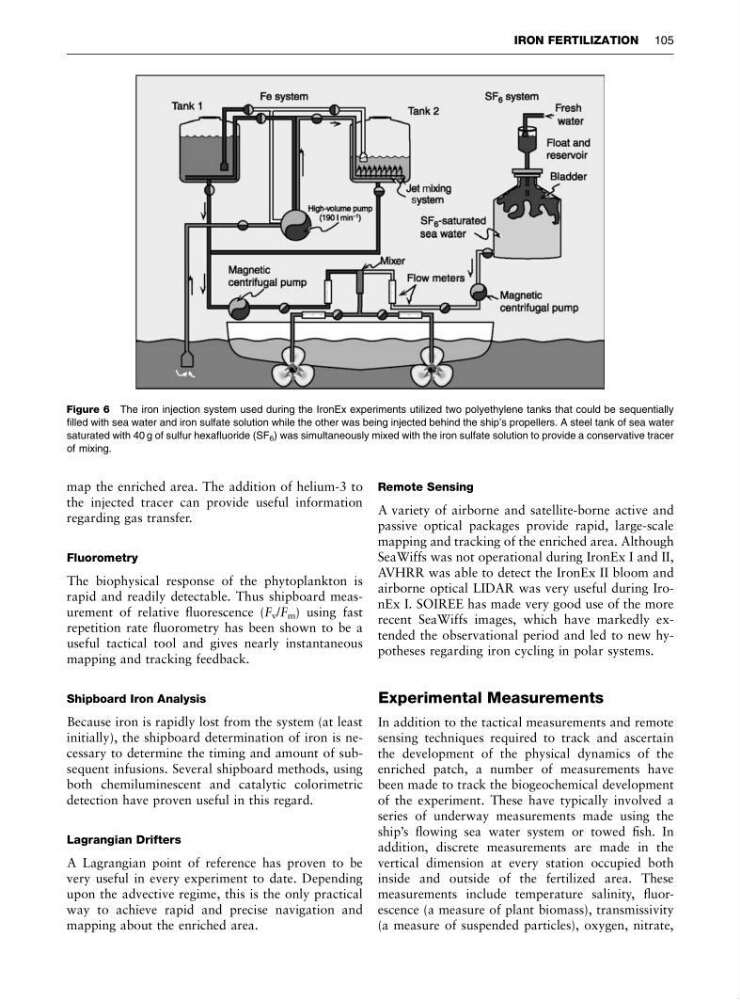
Figure 6 The iron injection system used during the IronEx experiments utilized two polyethylene tanks that could be sequentially
filled with sea water and iron sulfate solution while the other was being injected behind the ship’s propellers. A steel tank of sea water
saturated with 40 g of sulfur hexafluoride (SF 6 ) was simultaneously mixed with the iron sulfate solution to provide a conservative tracer
of mixing.
IRON FERTILIZATION 105
the injected tracer can provide useful information
regarding gas transfer.
Fluorometry
The biophysical response of the phytoplankton is
rapid and readily detectable. Thus shipboard measurement of relative fluorescence (F v /F m ) using fast
repetition rate fluorometry has been shown to be a
useful tactical tool and gives nearly instantaneous
mapping and tracking feedback.
Shipboard Iron Analysis
Because iron is rapidly lost from the system (at least
initially), the shipboard determination of iron is necessary to determine the timing and amount of subsequent infusions. Several shipboard methods, using
both chemiluminescent and catalytic colorimetric
detection have proven useful in this regard.
Lagrangian Drifters
A Lagrangian point of reference has proven to be
very useful in every experiment to date. Depending
upon the advective regime, this is the only practical
way to achieve rapid and precise navigation and
mapping about the enriched area.
Remote Sensing
A variety of airborne and satellite-borne active and
passive optical packages provide rapid, large-scale
mapping and tracking of the enriched area. Although
SeaWiffs was not operational during IronEx I and II,
AVHRR was able to detect the IronEx II bloom and
airborne optical LIDAR was very useful during IronEx I. SOIREE has made very good use of the more
recent SeaWiffs images, which have markedly extended the observational period and led to new hypotheses regarding iron cycling in polar systems.
Experimental Measurements
In addition to the tactical measurements and remote
sensing techniques required to track and ascertain
the development of the physical dynamics of the
enriched patch, a number of measurements have
been made to track the biogeochemical development
of the experiment. These have typically involved a
series of underway measurements made using the
ship’s flowing sea water system or towed fish. In
addition, discrete measurements are made in the
vertical dimension at every station occupied both
inside and outside of the fertilized area. These
measurements include temperature salinity, fluorescence (a measure of plant biomass), transmissivity
(a measure of suspended particles), oxygen, nitrate,
Figure 6 The iron injection system used during the IronEx experiments utilized two polyethylene tanks that could be sequentially
filled with sea water and iron sulfate solution while the other was being injected behind the ship’s propellers. A steel tank of sea water
saturated with 40 g of sulfur hexafluoride (SF 6 ) was simultaneously mixed with the iron sulfate solution to provide a conservative tracer
of mixing.
IRON FERTILIZATION 105