

10. THE S W I M BLADDER AS A HYDROSTATIC ORGAN
419
of primitive lungs. The secretory epithelium on the other hand has a
microstructure similar to secretory tissues, with an abundance of reticulum, inclusions, and mitochondria. Thus the cytology of the two parts
of the bladder clearly indicates two functionally different elements: a
metabolically passive one and a metabolically active one.
B. Circulation
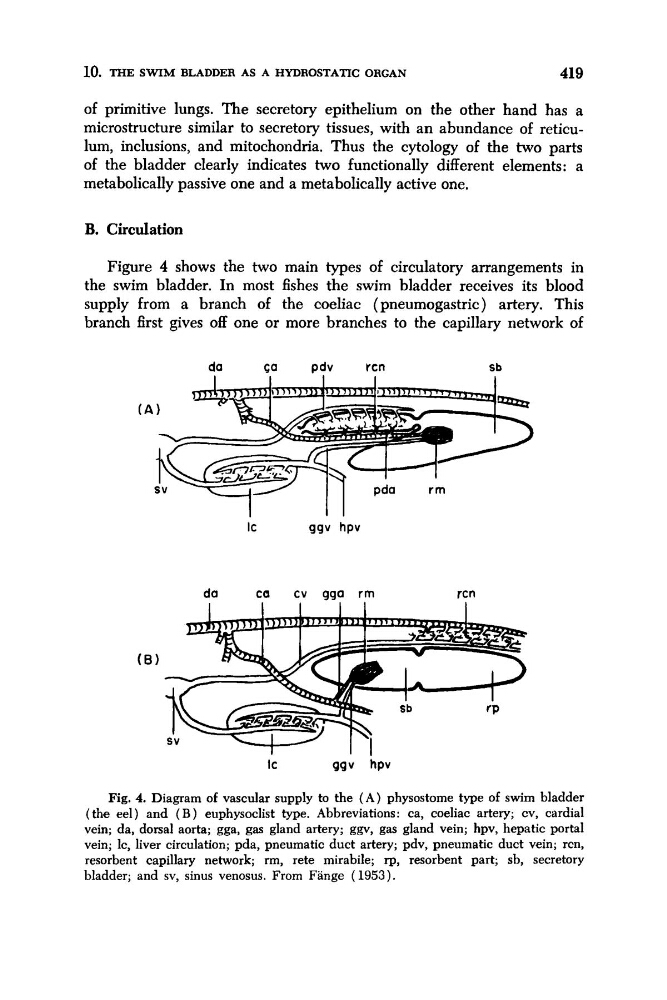
Figure 4 shows the two main types of circulatory arrangements in
the swim bladder. In most fishes the swim bladder receives its blood
supply from a branch of the coeliac (pneumogastric) artery. This
branch first gives off one or more branches to the capillary network of
do
Ca
pdv
rcn
Sb
( A
da
ca
cv qqa rm
rcn
Fig. 4. Diagram of vascular supply to the (A) physostome type of swim bladder
(the eel) and ( B ) euphysoclist type. Abbreviations: ca, coeliac artery; cv, cardial
vein; da, dorsal aorta; gga, gas gland artery; ggv, gas gland vein; hpv, hepatic portal
vein; lc, liver circulation; pda, pneumatic duct artery; pdv, pneumatic duct vein; rcn,
resorbent capillary network; rm, rete mirabile; rp, resorbent part; sb, secretory
bladder; and sv, sinus venosus. From Fange (1953).
419
of primitive lungs. The secretory epithelium on the other hand has a
microstructure similar to secretory tissues, with an abundance of reticulum, inclusions, and mitochondria. Thus the cytology of the two parts
of the bladder clearly indicates two functionally different elements: a
metabolically passive one and a metabolically active one.
B. Circulation
Figure 4 shows the two main types of circulatory arrangements in
the swim bladder. In most fishes the swim bladder receives its blood
supply from a branch of the coeliac (pneumogastric) artery. This
branch first gives off one or more branches to the capillary network of
do
Ca
pdv
rcn
Sb
( A
da
ca
cv qqa rm
rcn
Fig. 4. Diagram of vascular supply to the (A) physostome type of swim bladder
(the eel) and ( B ) euphysoclist type. Abbreviations: ca, coeliac artery; cv, cardial
vein; da, dorsal aorta; gga, gas gland artery; ggv, gas gland vein; hpv, hepatic portal
vein; lc, liver circulation; pda, pneumatic duct artery; pdv, pneumatic duct vein; rcn,
resorbent capillary network; rm, rete mirabile; rp, resorbent part; sb, secretory
bladder; and sv, sinus venosus. From Fange (1953).