

9. AIR BREATHING IN FISHES
395
volume propelled by each branchial pumping movement and not by an
increased frequency of the branchial pumping. The pattern of air
breathing changed from no air breaths in the hour preceding the hypoxia
to more than three air breaths in the first half-hour of hypoxia. The
stimulation of air breathing was much slower in onset than the increase
of branchial breathing. The commencement of air breathing, however,
initiated important changes in the pattern of blood perfusion. Most
notably, the 0, tensions increased in blood drawn from those branchial
arteries, which supply the systemic circulation, while blood in the pulmonary arteries decreased in 0, tension. The 0, tension of blood in
the pulmonary vein also increased. Thus the lung had assumed a role
in O2 uptake, and important circulatory changes attended this change
(Lenfant et aZ., 1966; Johansen et al., 1967).
The yarrow, Erythrinus sp., is another fish utilizing the swim bladder
for accessory air breathing (Carter and Beadle, 1931b; Willmer, 1934).
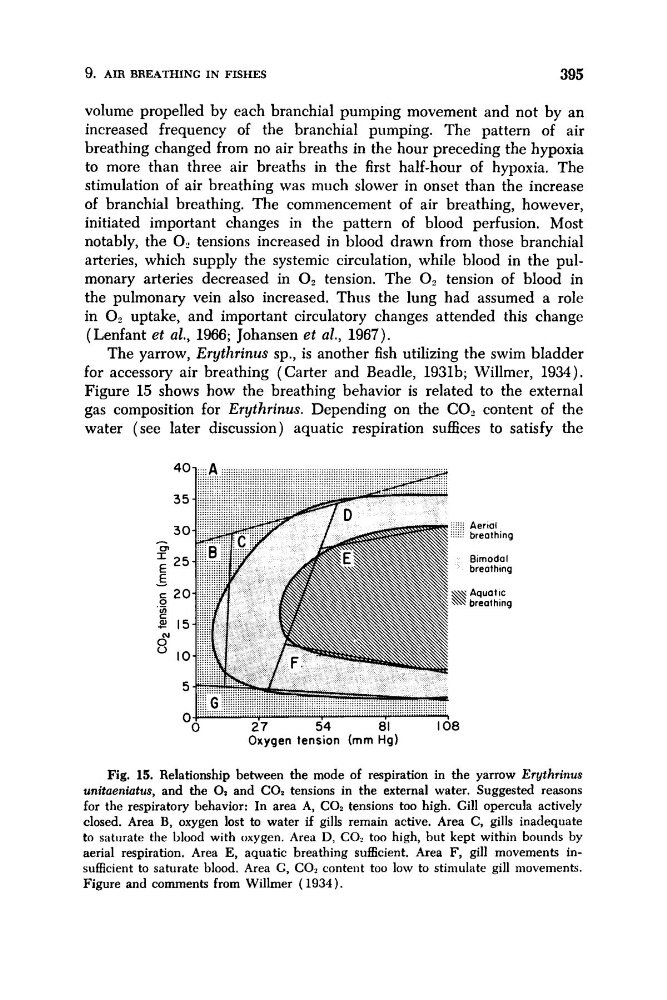
Figure 15 shows how the breathing behavior is related to the external
gas composition for Erythrinus. Depending on the CO, content of the
water (see later discussion) aquatic respiration suffices to satisfy the
Aerial
breathing
Bimodal
breathing
Aquatic
breathing
Oxygen tension (mm Hg)
Fig. 15. Relationship between the mode of respiration in the yarrow Erythrinus
unitueniutus, and the 0 2 and CO, tensions in the external water. Suggested reasons
for the respiratory behavior: In area A, CO, tensions too high. Gill opercula actively
closed. Area B, oxygen lost to water if gills remain active. Area C, gills inadequate
to saturate the blood with oxygen. Area D, CO, too high, hut kept within bounds by
aerial respiration. Area E, aquatic breathing sufficient. Area F, gill movements insufficient to saturate blood. Area G, CO, content too low to stimulate gill movements.
Figure and comments from Willmer ( 1934).
395
volume propelled by each branchial pumping movement and not by an
increased frequency of the branchial pumping. The pattern of air
breathing changed from no air breaths in the hour preceding the hypoxia
to more than three air breaths in the first half-hour of hypoxia. The
stimulation of air breathing was much slower in onset than the increase
of branchial breathing. The commencement of air breathing, however,
initiated important changes in the pattern of blood perfusion. Most
notably, the 0, tensions increased in blood drawn from those branchial
arteries, which supply the systemic circulation, while blood in the pulmonary arteries decreased in 0, tension. The 0, tension of blood in
the pulmonary vein also increased. Thus the lung had assumed a role
in O2 uptake, and important circulatory changes attended this change
(Lenfant et aZ., 1966; Johansen et al., 1967).
The yarrow, Erythrinus sp., is another fish utilizing the swim bladder
for accessory air breathing (Carter and Beadle, 1931b; Willmer, 1934).
Figure 15 shows how the breathing behavior is related to the external
gas composition for Erythrinus. Depending on the CO, content of the
water (see later discussion) aquatic respiration suffices to satisfy the
Aerial
breathing
Bimodal
breathing
Aquatic
breathing
Oxygen tension (mm Hg)
Fig. 15. Relationship between the mode of respiration in the yarrow Erythrinus
unitueniutus, and the 0 2 and CO, tensions in the external water. Suggested reasons
for the respiratory behavior: In area A, CO, tensions too high. Gill opercula actively
closed. Area B, oxygen lost to water if gills remain active. Area C, gills inadequate
to saturate the blood with oxygen. Area D, CO, too high, hut kept within bounds by
aerial respiration. Area E, aquatic breathing sufficient. Area F, gill movements insufficient to saturate blood. Area G, CO, content too low to stimulate gill movements.
Figure and comments from Willmer ( 1934).